 뒤로
뒤로Microbial Nutrition and Growth: Study Notes
스터디 가이드 - 스마트 노트
 자료에 맞춘 맞춤형 노트, 핵심 정의, 예시, 맥락을 확장해 제공합니다.
Microbial Nutrition and Growth
Physical Requirements for Microbial Growth
Microbial growth is influenced by several physical factors, including temperature, pH, and osmotic pressure. These requirements determine the environments in which different microbes can thrive.
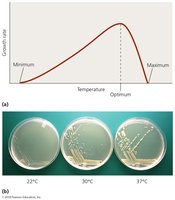
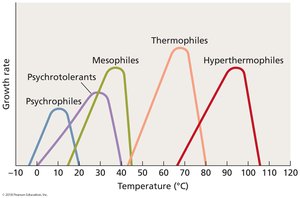
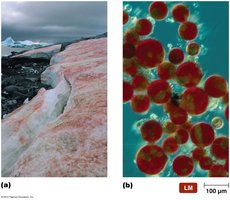
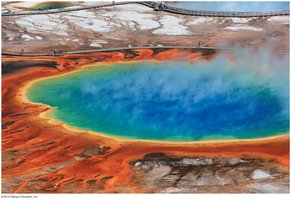
Temperature: Microbes are classified based on their optimal temperature ranges for growth. Categories include psychrophiles (cold-loving), psychrotolerants (can tolerate cold), mesophiles (moderate temperatures), thermophiles (heat-loving), and extreme thermophiles (very high temperatures). Extremophiles are organisms that thrive under extreme conditions.
pH: Microbes may prefer acidic (acidophiles), basic (alkalinophiles), or neutral (neutrophiles) environments. Most bacteria and protozoa are neutrophiles.
Osmotic Pressure: Cells require an isotonic environment to remain intact. Some bacteria, such as halophilic marine bacteria, can grow in high salt concentrations.
Chemical Requirements for Microbial Growth
Microbes require specific chemical elements and compounds for growth, including macronutrients, trace elements, and vitamins.
Macronutrients: CHONPS (Carbon, Hydrogen, Oxygen, Nitrogen, Phosphorus, Sulfur) and Magnesium are essential for cellular structure and function.
Trace Elements: Iron (Fe), Copper (Cu), Molybdenum (Mo), and Zinc (Zn) act as cofactors for enzymes.
Vitamins: Required for coenzyme synthesis.
Oxygen: Needed for aerobic bacteria; anaerobic bacteria utilize CO2, nitrogen, and sulfur.
Oxygen Requirements
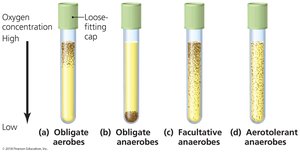
Microbes differ in their requirements and tolerance for oxygen, which affects their growth and survival.
Obligate aerobes: Require oxygen for growth.
Microaerophiles: Need oxygen at lower concentrations than atmospheric levels.
Facultative anaerobes: Prefer oxygen but can grow without it.
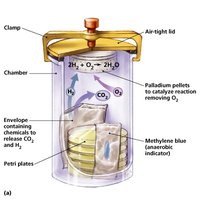
Obligate anaerobes: Cannot tolerate oxygen and are killed by exposure.
Aerotolerant anaerobes: Can tolerate oxygen but do not use it for growth.

Toxic Forms of Oxygen and Detoxification
During cellular respiration, toxic oxygen radicals such as superoxide (O2-) and hydrogen peroxide (H2O2) are produced. These must be detoxified by enzymes.
Superoxide Dismutase (SOD): Converts superoxide radicals to hydrogen peroxide and oxygen.
Catalase: Converts hydrogen peroxide to water and oxygen.
Anaerobes: Lack SOD and catalase, making them susceptible to oxygen toxicity.
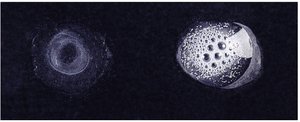
Catalase Test: The presence of bubbles when hydrogen peroxide is added indicates catalase activity and aerobic capacity.
Culture Media for Microbial Growth
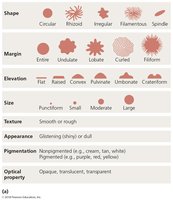
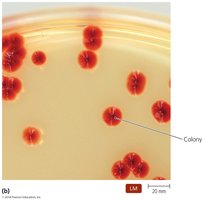
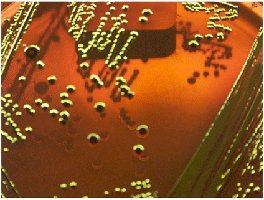
Culture media are substrates used to grow microbes in the laboratory. They vary in composition and purpose.
Complex Media: Derived from natural sources; exact composition is unknown.
Chemically Defined Media: Synthetic; exact composition is known. Useful for fastidious organisms.
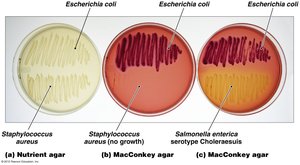
Selective Media: Inhibits growth of all but the desired microorganism using dyes, antibiotics, or pH.
Differential Media: Distinguishes between microbial types using substrates, dyes, and indicators.
Enrichment Media: Uses specific substrates to amplify a microbial population.
Reducing Media: Excludes oxygen; used for cultivating anaerobic microbes.
Growth of Microbial Populations
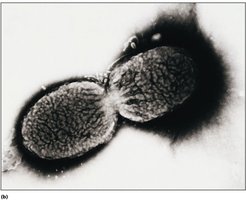
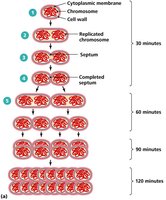
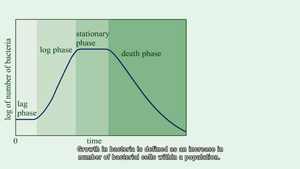
Microbial populations grow by cell division, resulting in an increase in cell number. The time required for a cell to divide is called the generation time, which depends on environmental conditions.
Generation (n): The doubling of a bacterial cell.
Generation Time (t): Time required for a cell to grow and divide.
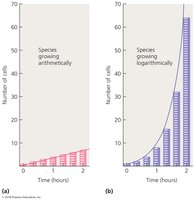
Arithmetic vs. Logarithmic Growth
Bacterial populations grow logarithmically, not arithmetically, resulting in rapid increases in cell numbers.
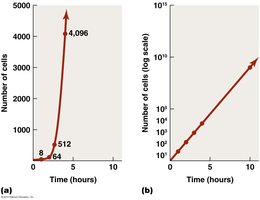
Calculation of Generations:
The number of generations (n) can be calculated using the formula:
Where:
n: Number of generations
NT: Number of cells at end of growth
N0: Number of cells at start
Measuring Microbial Growth
Microbial growth can be measured using direct and indirect methods.
Direct Methods
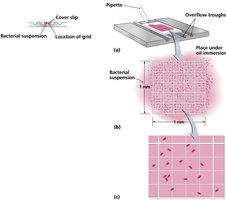
Microscopic Counts: Counting cells using slides such as Petroff-Hauser.
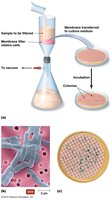
Membrane Filtration: Filtering samples and culturing on media to count colonies.
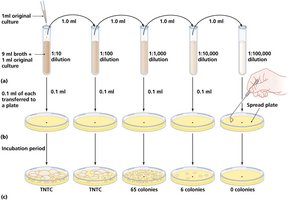
Viable Plate Counts: Serial dilution and plating to count colony-forming units.
Indirect Methods
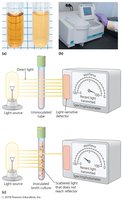
Turbidity: Measuring cloudiness with a spectrophotometer.
Metabolic Activity: Assessing pH, end product formation, or substrate consumption.
Flow Cytometry: Measuring cell density and types.
DNA Isolation: Estimating cell numbers based on DNA content.
Flow Cytometry: A technique for counting and analyzing microscopic particles, such as cells, by suspending them in a stream of fluid and passing them by an electronic detection apparatus.
