뒤로

Microbiology Core Concepts: Mini-Textbook Study Notes

학습 가이드 - 영상으로 배우기

업로드한 자료에 맞춘 엄선된 수업 – 모든 주제를 단계별로 배워보세요.

Introduction to Microbiology

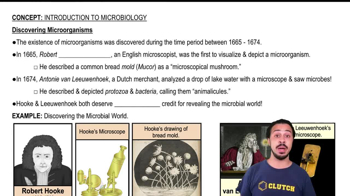
  • Discovering Microorganisms
    03:36
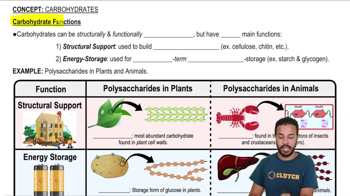
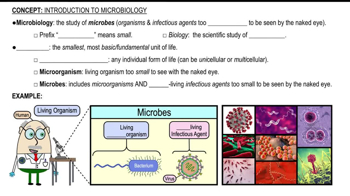
  • Introduction to Microbiology
    07:27
  • Introduction to Microbiology Channel
    1:29

Scientific Naming of Organisms

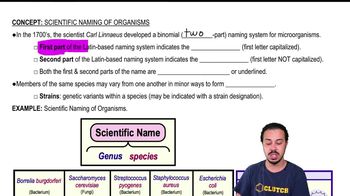
  • Scientific Naming of Organisms
    05:22

Members of the Bacterial World

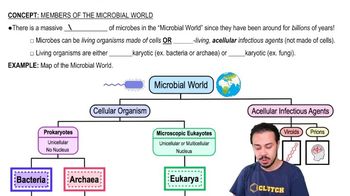
  • Members of the Bacterial World
    06:17

Atoms- Smallest Unit of Matter

  • Atoms- Smallest Unit of Matter Example 1
    02:13
  • Atoms- Smallest Unit of Matter Example 3
    03:51
  • Electron Orbitals & Energy Shells
    09:44

Atoms- Smallest Unit of Matter

  • Atoms- Smallest Unit of Matter Example 1
    02:13
  • Atoms- Smallest Unit of Matter Example 3
    03:51
  • Electron Orbitals & Energy Shells
    09:44

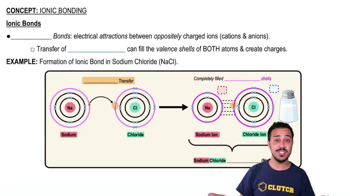
Ionic Bonding

  • Ionic Bonding
    04:34
  • Ionic Bonds
    06:07

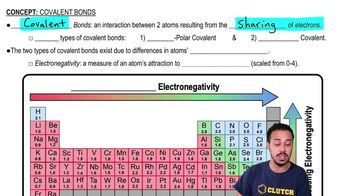
Covalent Bonds

  • Covalent Bonds
    04:28
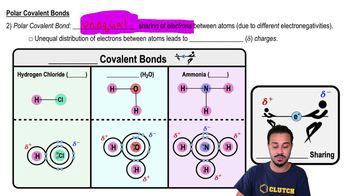
  • Polar Covalent Bonds
    06:51
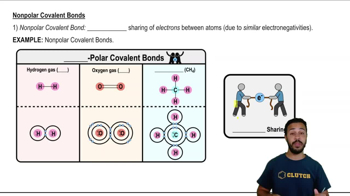
  • Nonpolar Covalent Bonds
    06:41

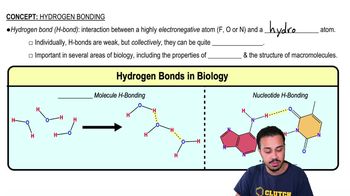
Hydrogen Bonding

  • Hydrogen Bonding
    05:03

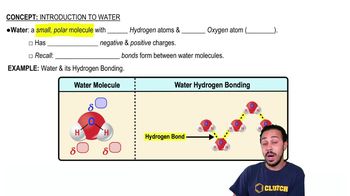
Introduction to Water

  • Introduction to Water
    01:54
  • Introduction to Water Example 1
    01:51
  • Introduction to Water
    01:29

Properties of Water- Cohesion and Adhesion

  • Properties of Water- Cohesion and Adhesion Example 1
    01:46
  • Properties of Water- Cohesion and Adhesion
    04:16

Properties of Water- Density

  • Properties of Water- Density
    05:43
  • Properties of Water- Density Example 1
    02:13

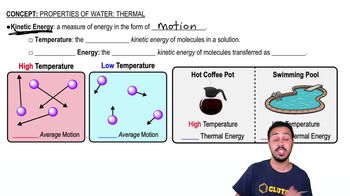
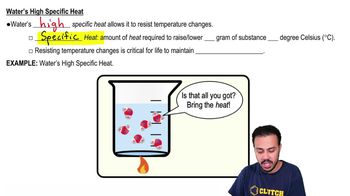
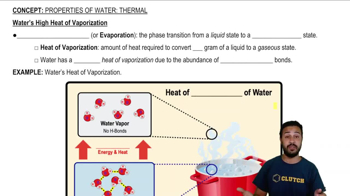
Properties of Water- Thermal

  • Properties of Water- Thermal
    04:07
  • Water’s High Specific Heat
    03:25
  • Water’s High Heat of Vaporization
    03:31

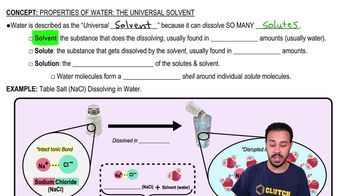
Properties of Water- The Universal Solvent

  • Properties of Water- The Universal Solvent
    06:20
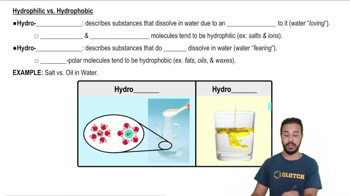
  • Hydrophilic vs. Hydrophobic
    04:33
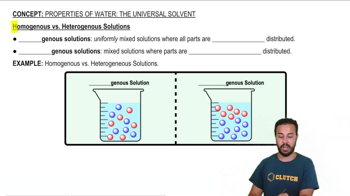
  • Homogenous vs. Heterogenous Solutions
    02:18

Introduction to Biomolecules

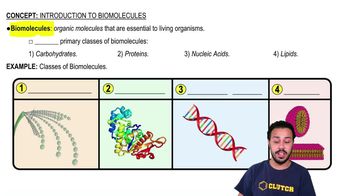
  • Introduction to Biomolecules
    01:17
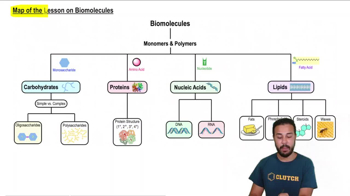
  • Map of the Lesson on Biomolecules
    01:29

Carbohydrates

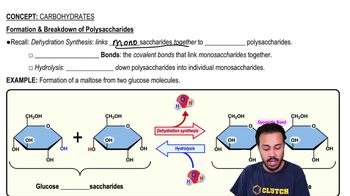
  • Formation & Breakdown of Polysaccharides
    03:08
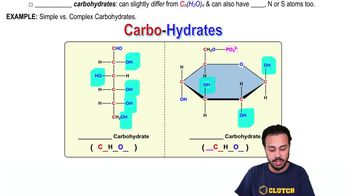
  • Carbohydrates
    04:53
  • Carbohydrate Functions
    04:48

Lipids

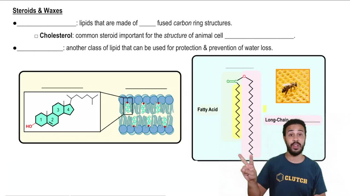
  • Steroids & Waxes
    03:31
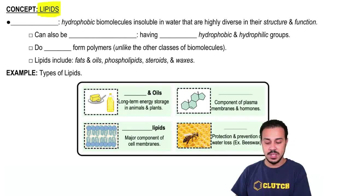
  • Lipids
    04:19
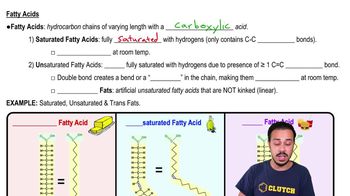
  • Fatty Acids
    06:59

Proteins

  • Protein Structure
    08:02
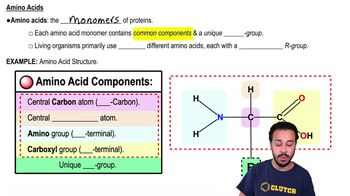
  • Amino Acids
    04:37
  • Proteins
    02:50

Nucleic Acids

  • Nucleic Acids Example 2
    01:05
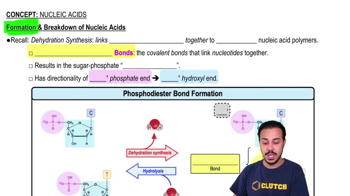
  • Formation & Breakdown of Nucleic Acids
    04:07
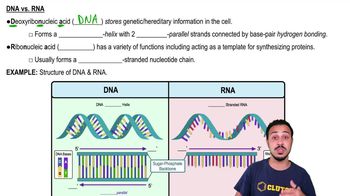
  • DNA vs. RNA
    05:57

ATP

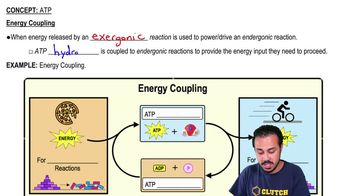
  • Energy Coupling
    04:57
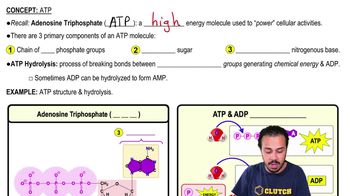
  • ATP
    06:44
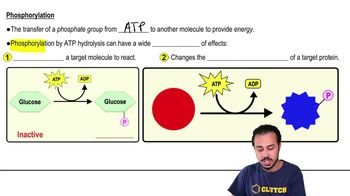
  • Phosphorylation
    03:00

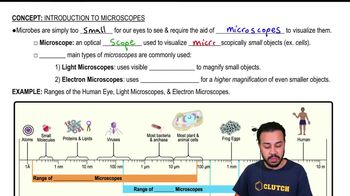
Introduction to Microscopes

  • Introduction to Microscopes
    06:13

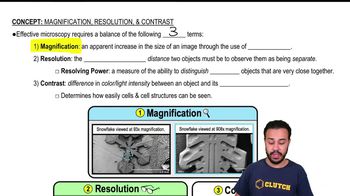
Magnification, Resolution, & Contrast

  • Magnification, Resolution, & Contrast
    07:29

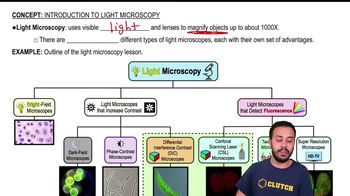
Introduction to Light Microscopy

  • Introduction to Light Microscopy
    02:53

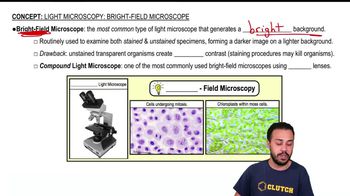
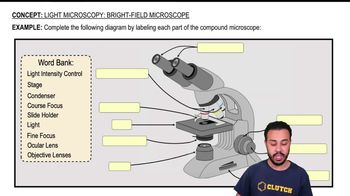
Light Microscopy: Bright-Field Microscopes

  • Light Microscopy: Bright-Field Microscopes
    03:46
  • Light Microscopy: Bright-Field Microscopes Example 1
    03:41
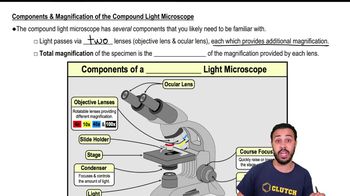
  • Components & Magnification of the Compound Light Microscope
    06:15

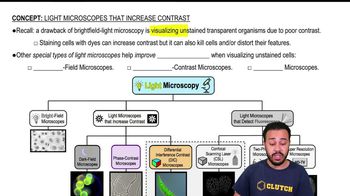
Light Microscopes that Increase Contrast

  • Light Microscopes that Increase Contrast
    02:39
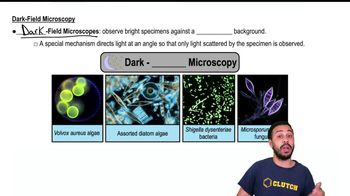
  • Dark-Field Microscopy
    01:52
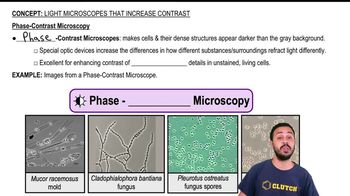
  • Phase-Contrast Microscopy
    03:27

Introduction to Staining

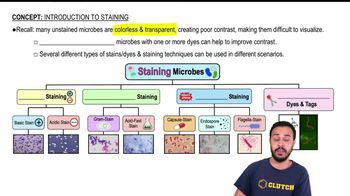
  • Introduction to Staining
    02:10

Simple Staining

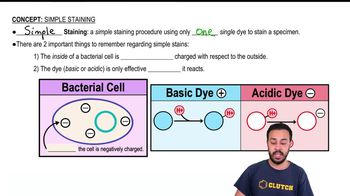
  • Simple Staining
    03:23
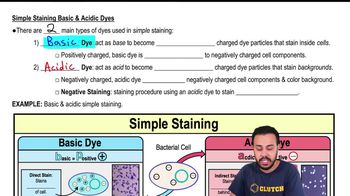
  • Simple Staining Basic & Acidic Dyes
    05:30

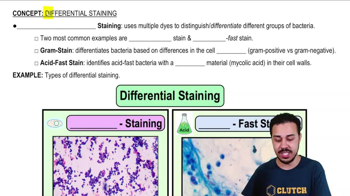
Differential Staining

  • Differential Staining
    04:07

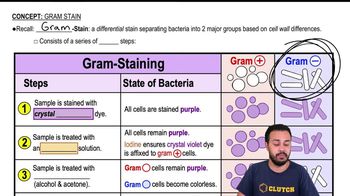
Gram Stain

  • Gram Stain
    04:57

Introduction to Cultivating Microbial Growth

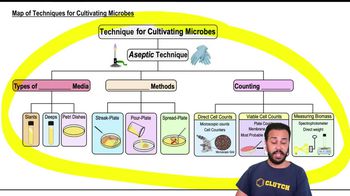
  • Map of Techniques for Cultivating Microbes
    02:05
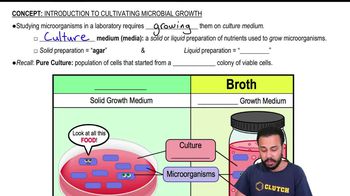
  • Introduction to Cultivating Microbial Growth
    03:49

Temperature Requirements for Microbial Growth

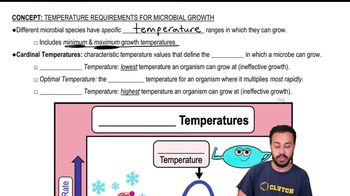
  • Temperature Requirements for Microbial Growth
    04:16
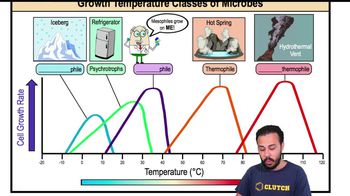
  • Classification of Microbes by Growth Temperature
    04:56
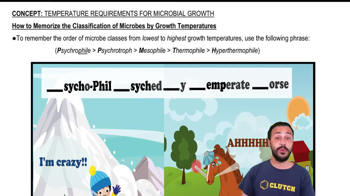
  • How to Memorize the Classification of Microbes by Growth Temperatures
    01:59

Osmolarity Factors for Microbial Growth

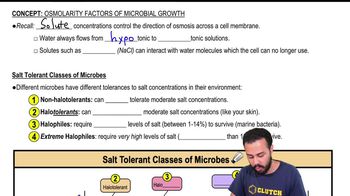
  • Osmolarity Factors for Microbial Growth
    06:30

Nutritional Factors of Microbial Growth

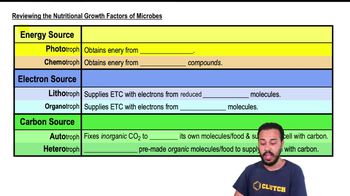
  • Reviewing the Nutritional Growth Factors of Microbes
    02:20
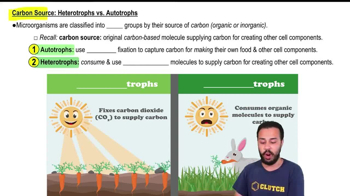
  • Carbon Source:Heterotrophs vs. Autotrophs
    02:59
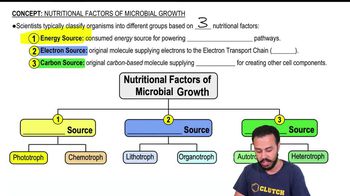
  • Nutritional Factors of Microbial Growth
    02:57

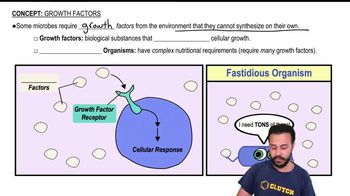
Growth Factors

  • Growth Factors
    01:55

Growing a Pure Culture

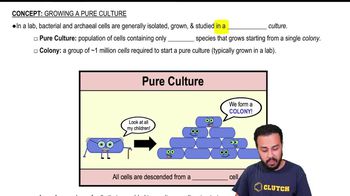
  • Growing a Pure Culture
    02:58

Binary Fission

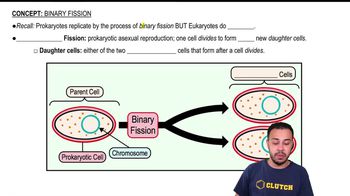
  • Binary Fission
    02:16
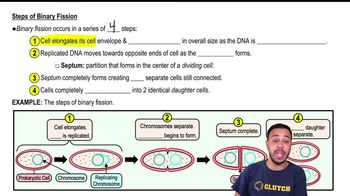
  • Steps of Binary Fission
    04:57

Microbial Growth Curves in a Closed System

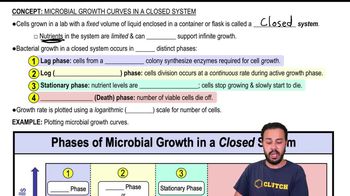
  • Microbial Growth Curves in a Closed System
    08:59
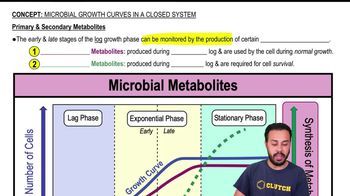
  • Primary & Secondary Metabolites
    02:33

Introduction to Controlling Microbial Growth

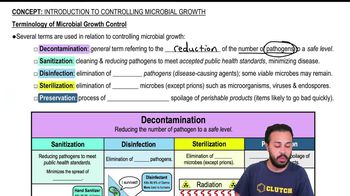
  • Terminology of Microbial Growth Control
    07:36
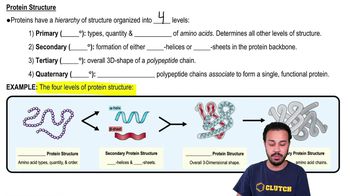
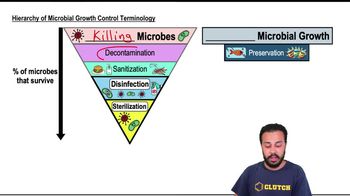
  • Hierarchy of Microbial Growth Control Terminology
    03:09
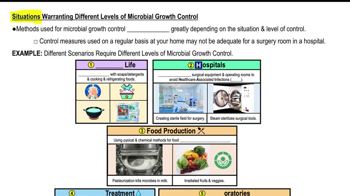
  • Situations Warranting Different Levels of Microbial Growth Control
    05:58

Physical Methods to Control Microbial Growth

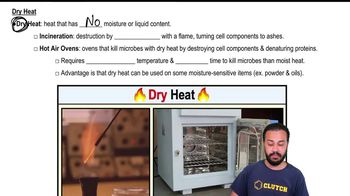
  • Dry Heat
    02:58
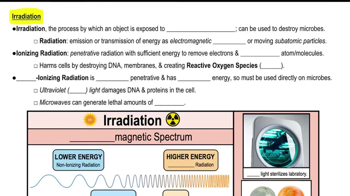
  • Irradiation
    06:18
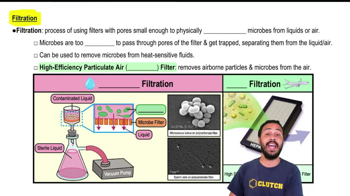
  • Filtration
    04:29

Chemical Methods to Control Microbial Growth

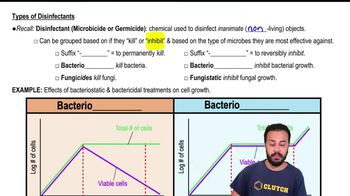
  • Types of Disinfectants
    05:21
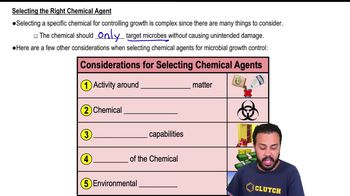
  • Selecting the Right Chemical Agent
    04:52
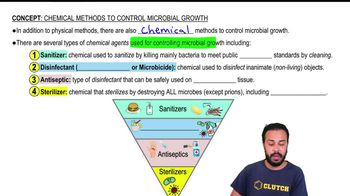
  • Chemical Methods to Control Microbial Growth
    03:58

Overview of Prokaryotic Cell Structure

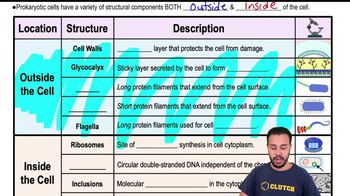
  • Overview of Prokaryotic Cell Structure
    05:59

Bacterial Cell Morphology & Arrangements

  • Types of Bacterial Cell Morphology
    02:44
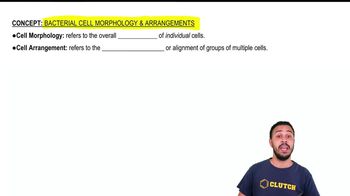
  • Bacterial Cell Morphology & Arrangements
    01:13
  • Bacilli Bacterial Cell Arrangements
    03:56
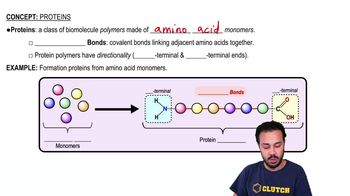
Introduction to Bacterial Cell Walls

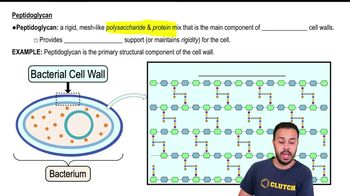
  • Peptidoglycan
    01:58
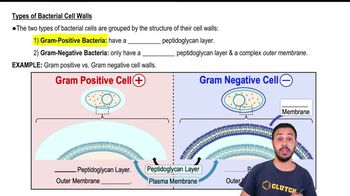
  • Types of Bacterial Cell Walls
    02:44
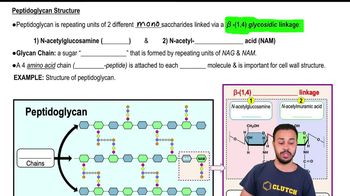
  • Peptidoglycan Structure
    04:44

Gram-Positive Cell Walls

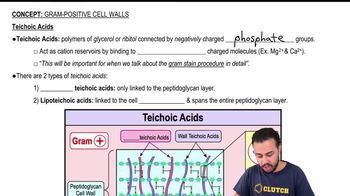
  • Teichoic Acids
    03:58
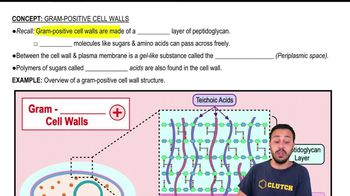
  • Gram-Positive Cell Walls
    02:59

Gram-Negative Cell Walls

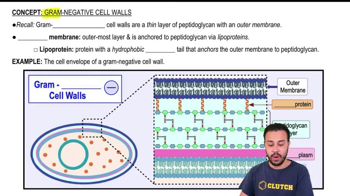
  • Gram-Negative Cell Walls
    3:04
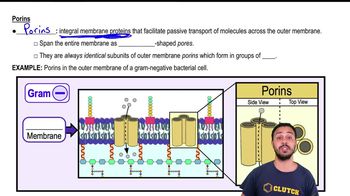
  • Porins
    02:18
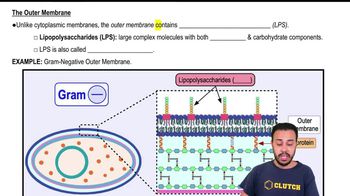
  • The Outer Membrane
    02:15

Gram-Positive vs. Gram-Negative Cell Walls

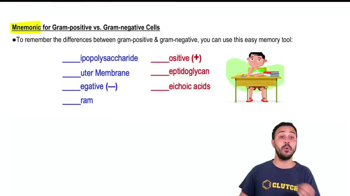
  • Mnemonic for Gram-Positive vs. Gram-Negative Cell Walls
    01:41
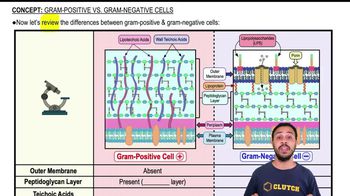
  • Gram-Positive vs. Gram-Negative Cell Walls
    04:46
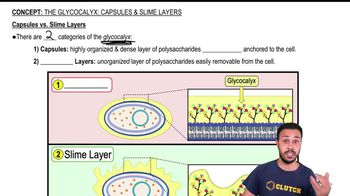
The Glycocalyx: Capsules & Slime Layers

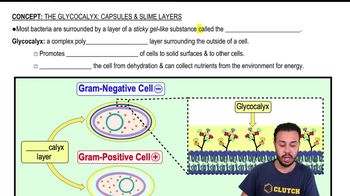
  • The Glycocalyx: Capsules & Slime Layers
    02:26
  • Capsules vs. Slime Layers
    01:53

Pili

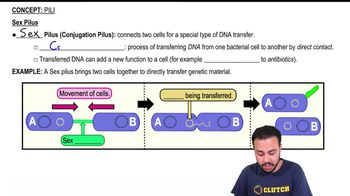
  • Sex Pilus
    03:29
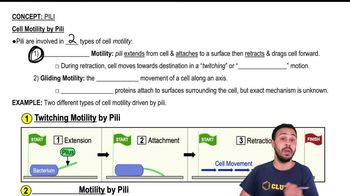
  • Cell Motility by Pili
    02:59
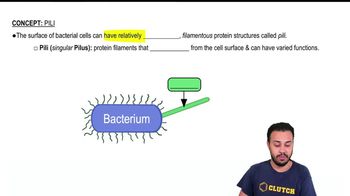
  • Pili
    01:02

Fimbriae & Hami

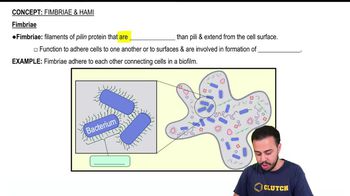
  • Fimbriae & Hami
    01:52
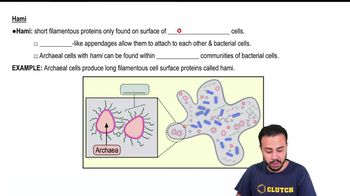
  • Hami
    01:51

Introduction to Prokaryotic Flagella

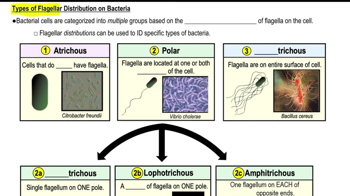
  • Types of Flagellar Distribution on Bacteria
    05:22
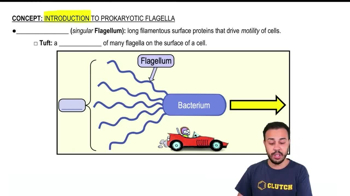
  • Introduction to Prokaryotic Flagella
    02:07

Endospores

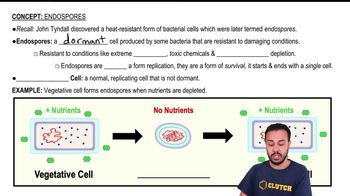
  • Endospores
    05:35
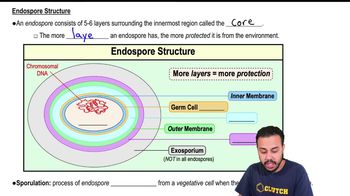
  • Endospore Structure
    03:08

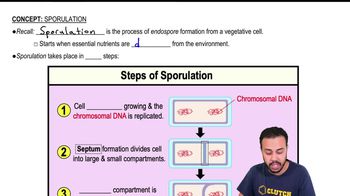
Sporulation

  • Sporulation
    04:08

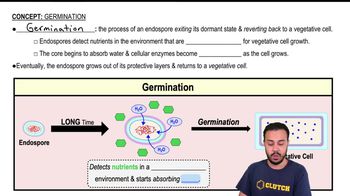
Germination

  • Germination
    02:59

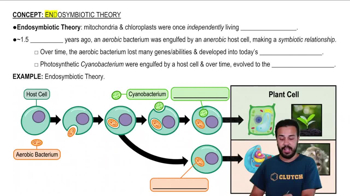
Endosymbiotic Theory

  • Endosymbiotic Theory
    07:29

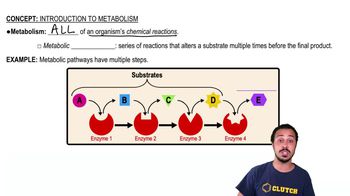
Introduction to Metabolism

  • Introduction to Metabolism
    02:17
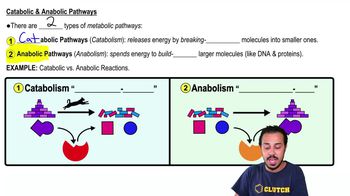
  • Catabolic & Anabolic Pathways
    03:25

ATP

  • Energy Coupling
    04:57
  • ATP
    06:44
  • Phosphorylation
    03:00

Enzymes

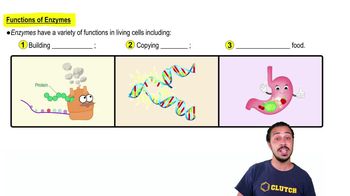
  • Functions of Enzymes
    02:32
  • Enzymes Example 1
    02:25
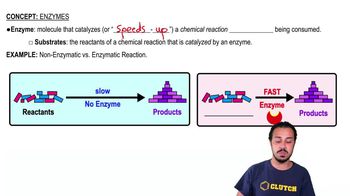
  • Enzymes
    02:55

Redox Reactions

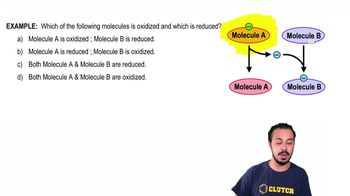
  • Redox Reactions Example 1
    01:44
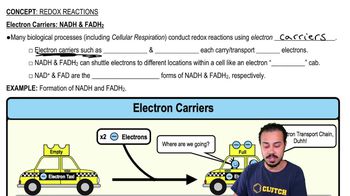
  • Electron Carriers: NADH & FADH2
    05:22
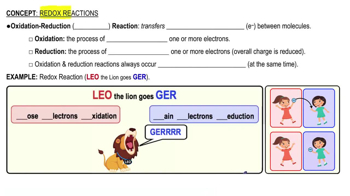
  • Redox Reactions
    04:46

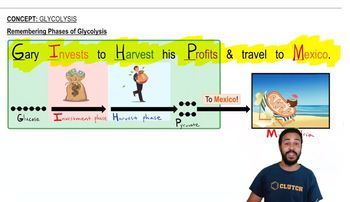
Glycolysis

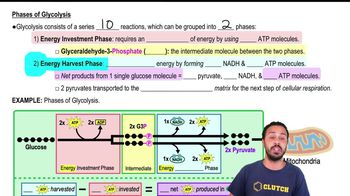
  • Phases of Glycolysis
    05:57
  • Glycolysis Example 1
    01:29
  • Remembering Phases of Glycolysis
    02:49

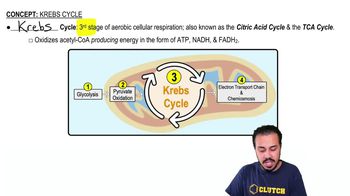
Krebs Cycle

  • Krebs Cycle Example 1
    01:20
  • Krebs Cycle
    01:37
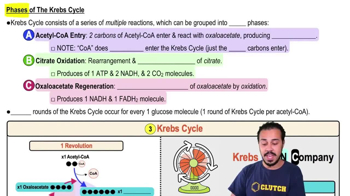
  • Phases of The Krebs Cycle
    09:54

Chemiosmosis

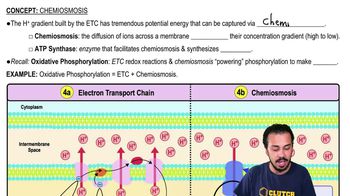
  • Chemiosmosis
    05:01

Fermentation & Anaerobic Respiration

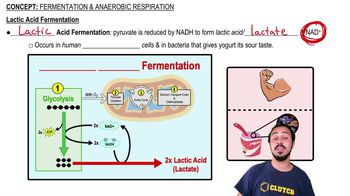
  • Lactic Acid Fermentation
    03:33
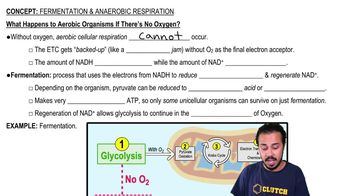
  • What Happens to Aerobic Organisms if There's No Oxygen?
    07:50
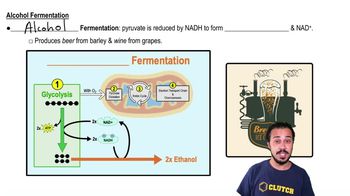
  • Alcohol Fermentation
    01:59

Introduction to Photosynthesis

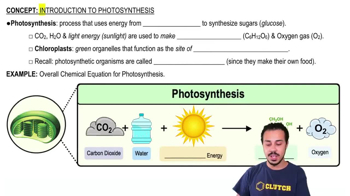
  • Introduction to Photosynthesis
    03:32
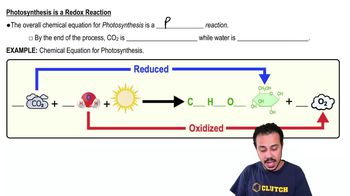
  • Photosynthesis is a Redox Reaction
    03:20
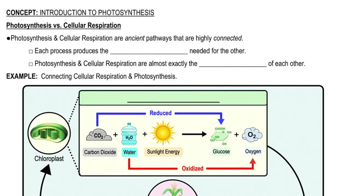
  • Photosynthesis vs. Cellular Respiration
    07:55

Introduction to Microbial Genetics

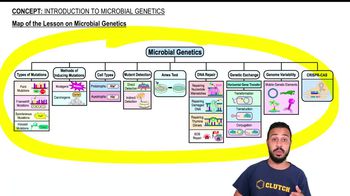
  • Map of the Lesson on Microbial Genetics
    02:04
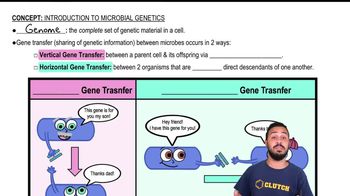
  • Introduction to Microbial Genetics
    04:20

Introduction to Mutations

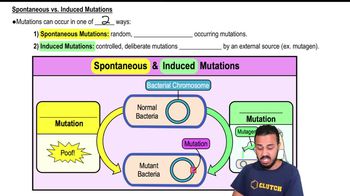
  • Spontaneous vs. Induced Mutations
    02:47
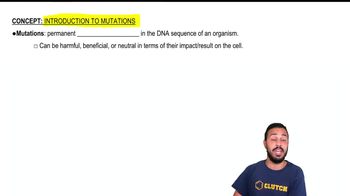
  • Introduction to Mutations
    00:37
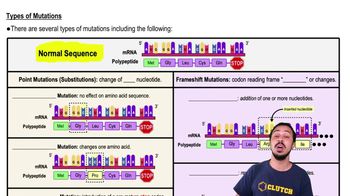
  • Types of Mutations
    08:44

The Ames Test

  • The Ames Test
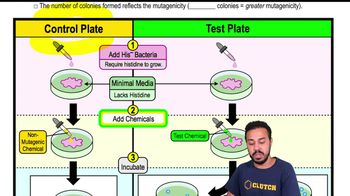
    06:59

DNA Repair Mechanisms

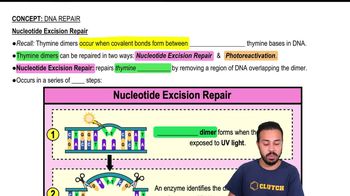
  • Nucleotide Excision Repair
    03:31
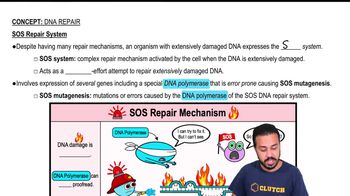
  • SOS Repair System
    03:50
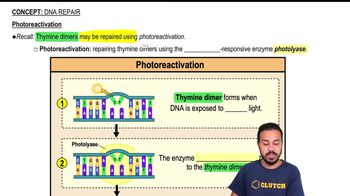
  • Photoreactivation
    02:29

Horizontal Gene Transfer

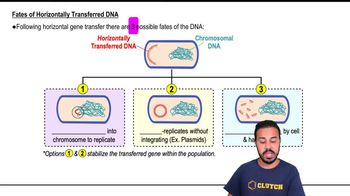
  • Fates of Horizontally Transferred DNA
    03:13
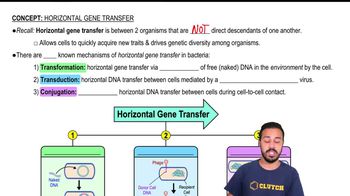
  • Horizontal Gene Transfer
    04:42
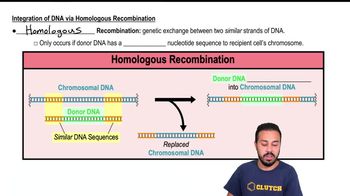
  • Integration of DNA via Homologous Recombination
    02:52

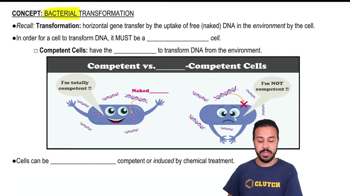
Bacterial Transformation

  • Bacterial Transformation
    03:06
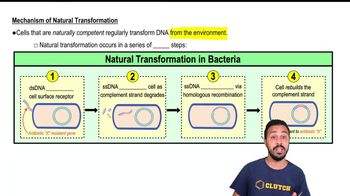
  • Mechanism of Natural Transformation
    03:49

Transduction

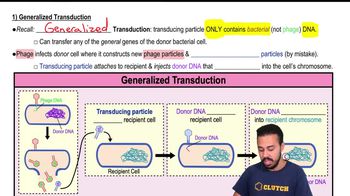
  • Generalized Transduction
    04:24
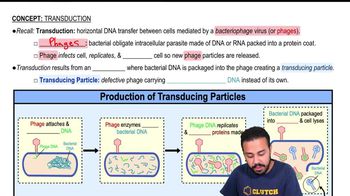
  • Transduction
    06:49
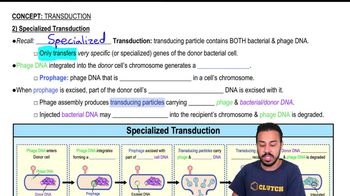
  • Specialized Transduction
    06:34

Introduction to Conjugation

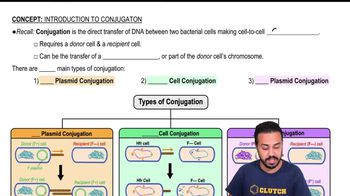
  • Introduction to Conjugation
    04:21

Introduction to Viruses

  • General Structure of Viruses
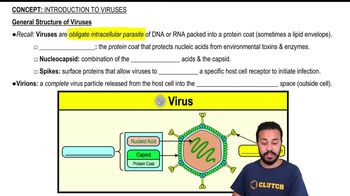
    04:47
  • Three Common Shapes of Viruses
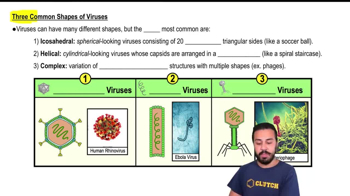
    03:19
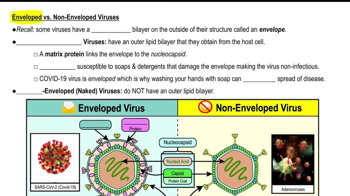
  • Enveloped vs. Non-Enveloped Viruses
    05:09

Introduction to Bacteriophage Infections

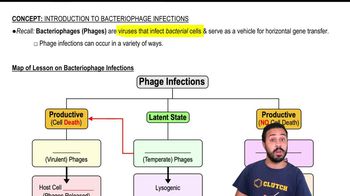
  • Map of Lesson on Bacteriophage Infections
    03:52
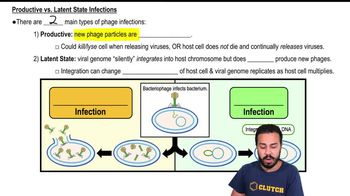
  • Productive vs. Latent State Infections
    04:09
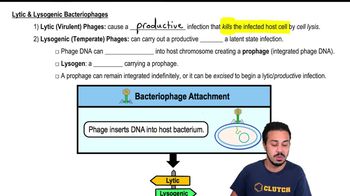
  • Lytic & Lysogenic Bacteriophages
    04:34

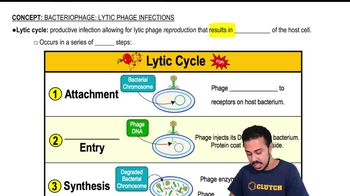
Bacteriophage: Lytic Phage Infections

  • Bacteriophage: Lytic Phage Infections
    04:58

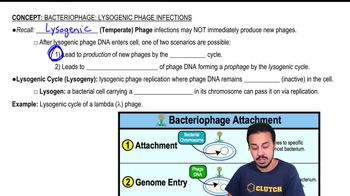
Bacteriophage: Lysogenic Phage Infections

  • Bacteriophage: Lysogenic Phage Infections
    05:27
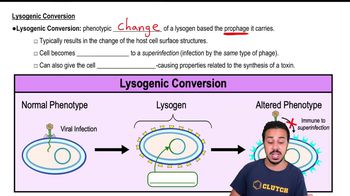
  • Lysogenic Conversion
    03:37

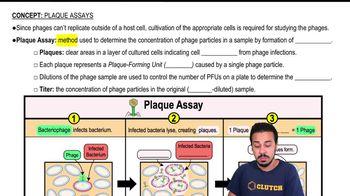
Plaque Assays

  • Plaque Assays
    04:21

Introduction to Animal Virus Infections

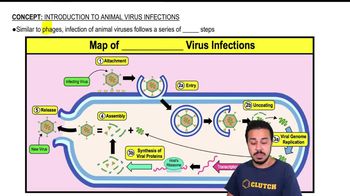
  • Introduction to Animal Virus Infections
    02:33
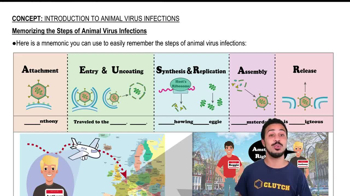
  • Memorizing the Steps of Animal Virus Infections
    01:40

Acute vs. Persistent Viral Infections

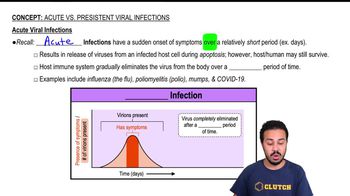
  • Acute Viral Infections
    03:29
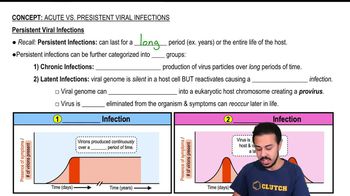
  • Persistent Viral Infections
    05:12
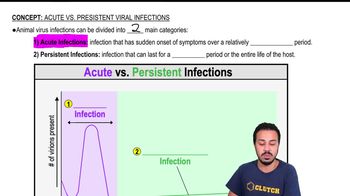
  • Acute vs. Persistent Viral Infections
    02:59

Viroids

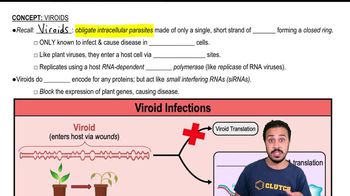
  • Viroids
    03:49

Prions

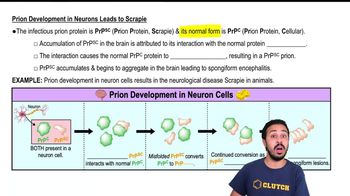
  • Prion Development in Neurons Leads to Scrapie
    04:00
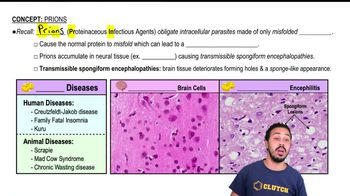
  • Prions
    03:05