뒤로

Microbiology Exam II: Comprehensive Study Notes

학습 가이드 - 영상으로 배우기

업로드한 자료에 맞춘 엄선된 수업 – 모든 주제를 단계별로 배워보세요.

Introduction to DNA Replication

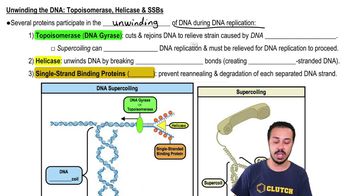
  • Unwinding the DNA:Topoisomerase, Helicase & SSBs
    05:10
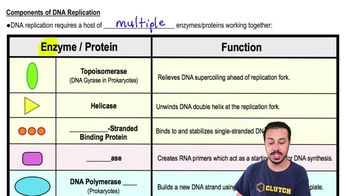
  • Components of DNA Replication
    04:47
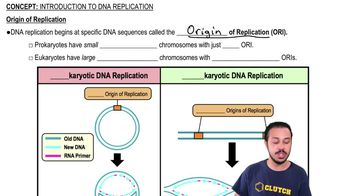
  • Origin of Replication
    03:33

DNA Polymerases

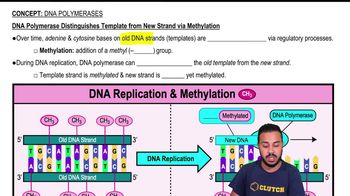
  • DNA Polymerase Distinguishes Template from New Strand via Methylation
    03:47
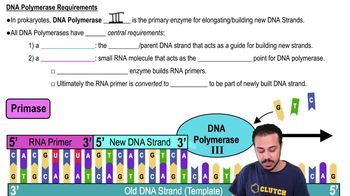
  • DNA Polymerases Requirements
    05:03
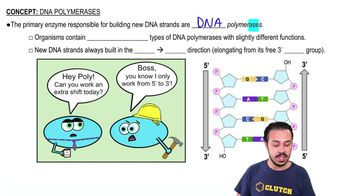
  • DNA Polymerases
    04:01

Leading & Lagging DNA Strands

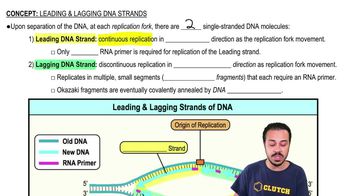
  • Leading & Lagging DNA Strands
    05:15

Steps of DNA Replication

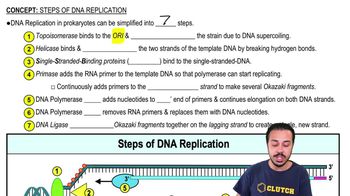
  • Steps of DNA Replication
    09:29

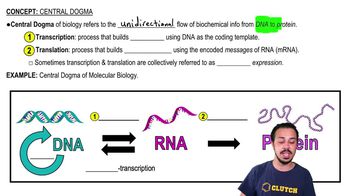
Central Dogma

  • Central Dogma
    05:45

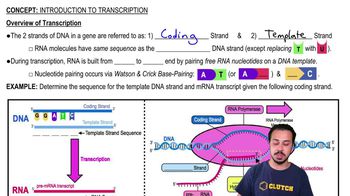
Introduction to Transcription

  • Overview of Transcription
    07:44
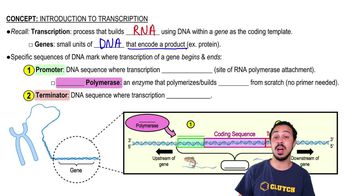
  • Introduction to Transcription
    05:51

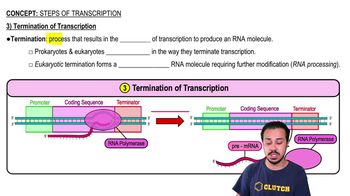
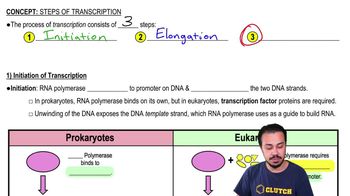
Steps of Transcription

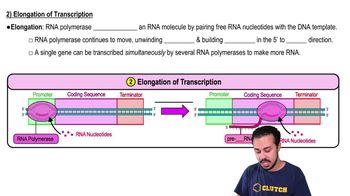
  • Elongation of Transcription
    02:44
  • Initiation of Transcription
    04:16
  • Elongation of Transcription
    04:01

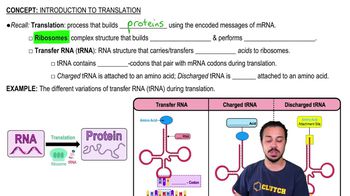
Introduction to Translation

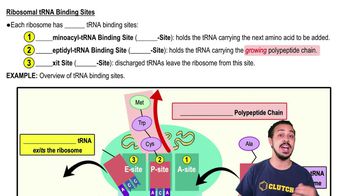
  • Ribosomal tRNA Binding Sites
    06:16
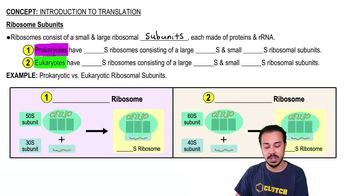
  • Ribosome Subunits
    08:42
  • Introduction to Translation
    06:12

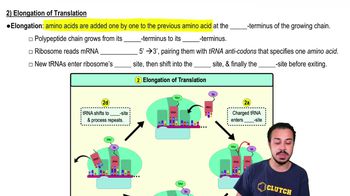
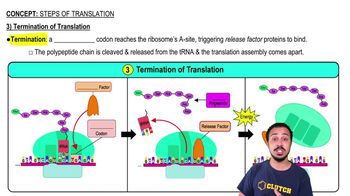
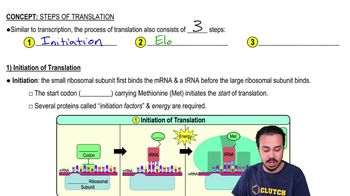
Steps of Translation

  • Elongation of Translation
    04:59
  • Termination of Translation
    02:16
  • Steps of Translation
    05:03

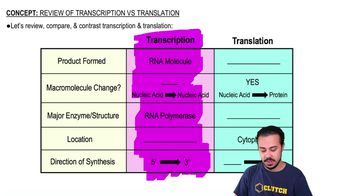
Review of Transcription vs. Translation

  • Review of Transcription vs. Translation
    04:07

Introduction to DNA-Based Technology

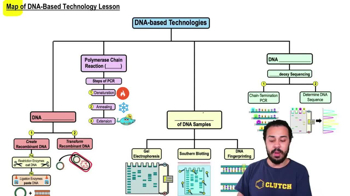
  • Map of DNA-Based Technology Lesson
    03:12
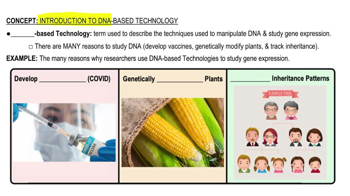
  • Introduction to DNA-Based Technology
    02:30
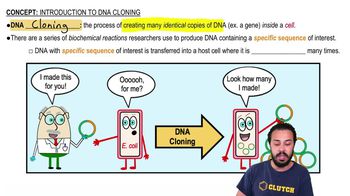
Introduction to DNA Cloning

  • Introduction to DNA Cloning
    02:25
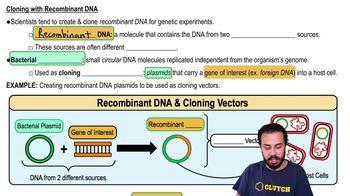
  • Cloning with Recombinant DNA
    03:41

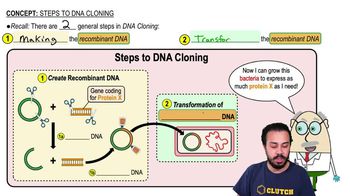
Steps to DNA Cloning

  • Steps to DNA Cloning
    04:42
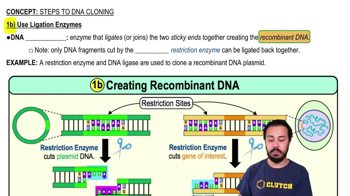
  • 1b) Use Ligation Enzymes
    04:58
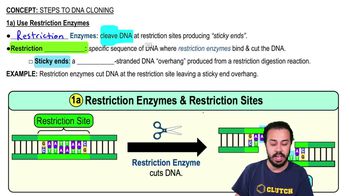
  • 1a) Use Restriction Enzymes
    03:27

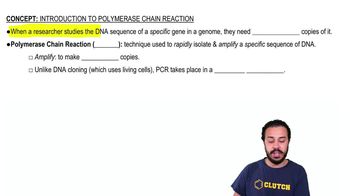
Introduction to Polymerase Chain Reaction

  • Introduction to Polymerase Chain Reaction
    01:31
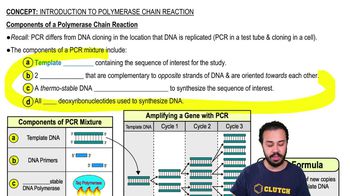
  • Components of a Polymerase Chain Reaction
    05:57
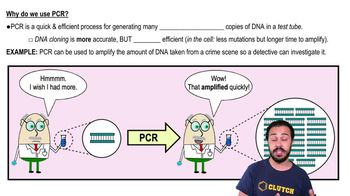
  • Why do we use PCR?
    02:53

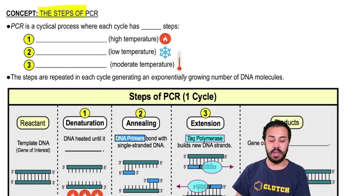
The Steps of PCR

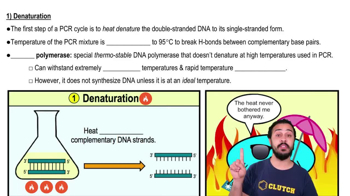
  • 1) Denaturation
    03:33
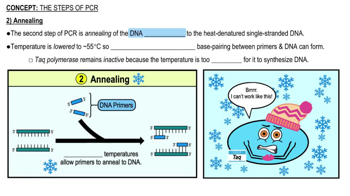
  • 2) Annealing
    02:56
  • The Steps of PCR
    04:39

Gel Electrophoresis

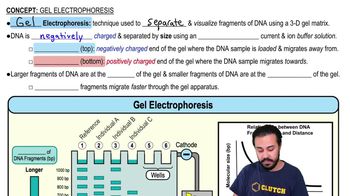
  • Gel Electrophoresis
    07:58
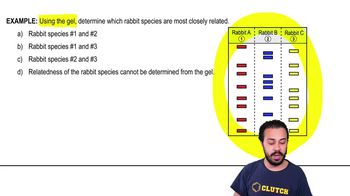
  • Gel Electrophoresis Example 1
    02:34

Introduction to Viruses

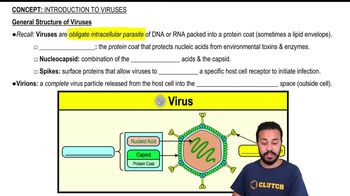
  • General Structure of Viruses
    04:47
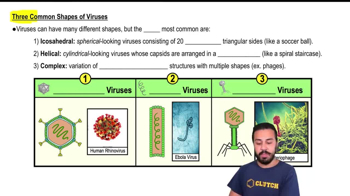
  • Three Common Shapes of Viruses
    03:19
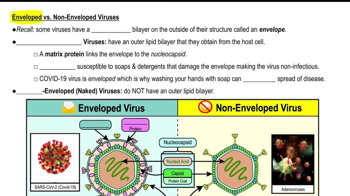
  • Enveloped vs. Non-Enveloped Viruses
    05:09

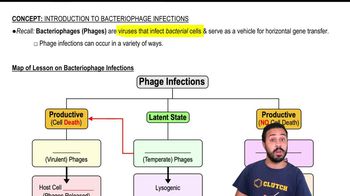
Introduction to Bacteriophage Infections

  • Map of Lesson on Bacteriophage Infections
    03:52
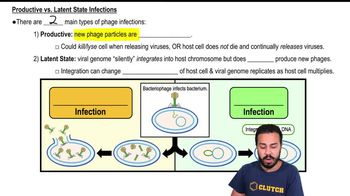
  • Productive vs. Latent State Infections
    04:09
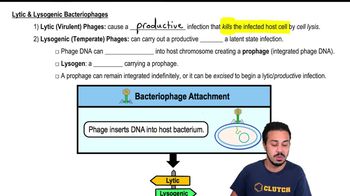
  • Lytic & Lysogenic Bacteriophages
    04:34

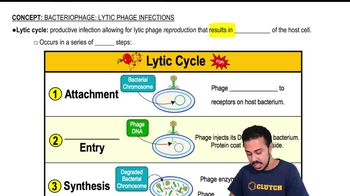
Bacteriophage: Lytic Phage Infections

  • Bacteriophage: Lytic Phage Infections
    04:58

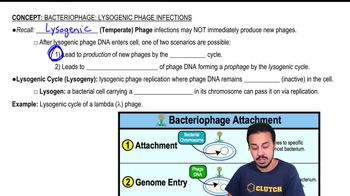
Bacteriophage: Lysogenic Phage Infections

  • Bacteriophage: Lysogenic Phage Infections
    05:27
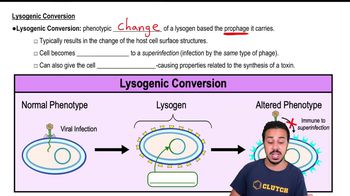
  • Lysogenic Conversion
    03:37

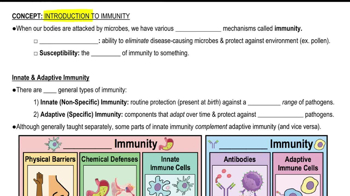
Introduction to Immunity

  • Innate vs. Adaptive Immunity
    05:52
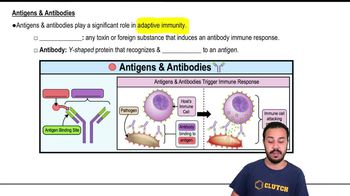
  • Antigens & Antibodies
    02:58

Introduction to Innate Immunity

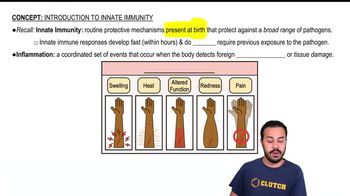
  • Introduction to Innate Immunity
    02:30
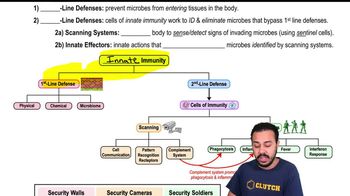
  • Map of Lesson on Innate Immunity
    06:42

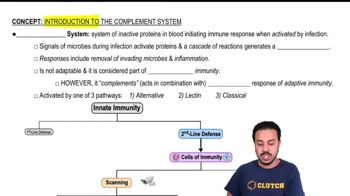
Introduction to the Complement System

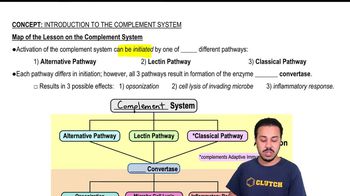
  • Map of the Lesson on the Complement System
    03:25
  • Introduction to the Complement System
    04:25
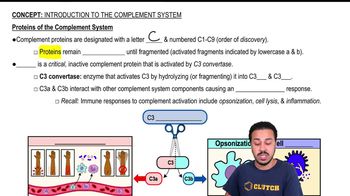
  • Proteins of the Complement System
    04:16

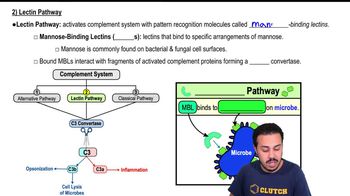
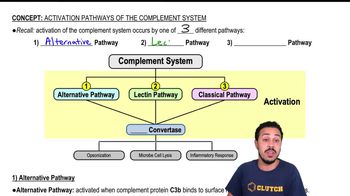
Activation Pathways of the Complement System

  • 2) Lectin Pathway
    03:04
  • 1) Alternative Pathway
    04:40
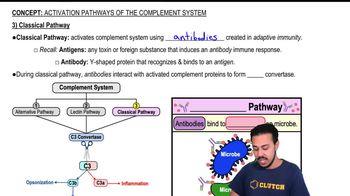
  • 3) Classical Pathway
    03:42

Effects of the Complement System

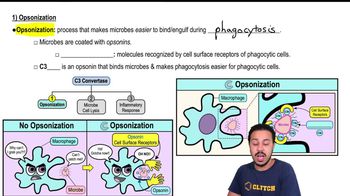
  • 1) Opsonization
    04:09
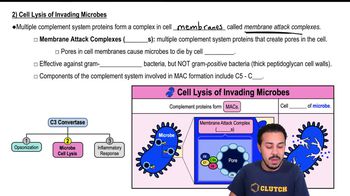
  • 2) Cell Lysis of Invading Microbes
    03:18
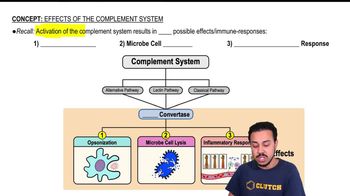
  • Effects of the Complement System
    01:32

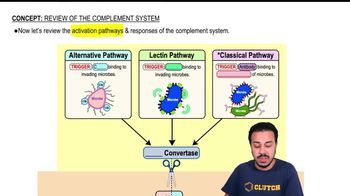
Review of the Complement System

  • Review of the Complement System
    05:15

Introduction to Antimicrobial Drugs

  • 가이드 코스
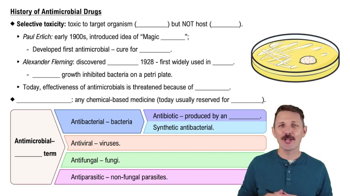
    History of Antimicrobial Drugs
    05:33

How Antimicrobial Drugs Work

  • 가이드 코스
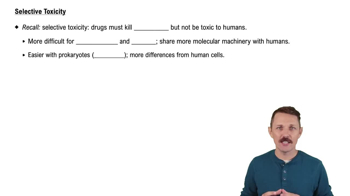
    Selective Toxicity
    05:27
  • 가이드 코스
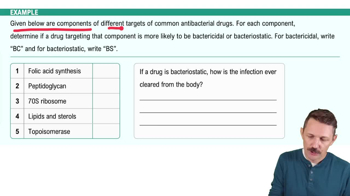
    How Antimicrobial Drugs Work Example 1
    03:28

Antimicrobial Resistance

  • 가이드 코스
    Types of Resistance Mechanisms
    05:04
  • 가이드 코스
    Spread of Antibiotic Resistance
    04:45
  • 가이드 코스
    Antibiotic Resistance
    03:45