 뒤로
Molecular Regulation of Gene Expression in Microbes
스터디 가이드 - 스마트 노트
 자료에 맞춘 맞춤형 노트, 핵심 정의, 예시, 맥락을 확장해 제공합니다.
Gene Regulation in Microbes
Introduction to Molecular Regulation
Microbes must adapt to changing environments by regulating their gene expression. This regulation allows them to alter growth rates and the types of proteins produced, ensuring survival and efficient resource utilization. Cells sense environmental signals through surface receptors and transmit information to the chromosome, affecting transcription and translation rates.
Gene expression is controlled at multiple levels, primarily transcription and translation.
Environmental sensing is crucial for microbial adaptation.
Regulation involves specific proteins and DNA sequences.
Regulatory Proteins and DNA Binding
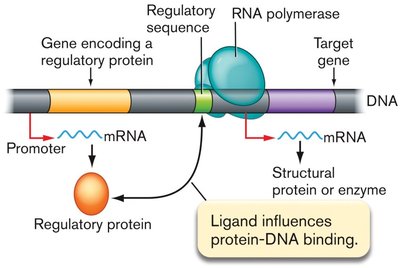
Regulatory proteins interact with DNA to control gene expression. These proteins can act as activators or repressors, influencing the frequency of transcription initiation.
Activator proteins bind to DNA near promoters and increase transcription frequency.
Repressor proteins bind to operators near promoters and decrease transcription frequency.
Regulatory proteins often require ligands to modulate their activity.
Mechanisms of Transcriptional Regulation
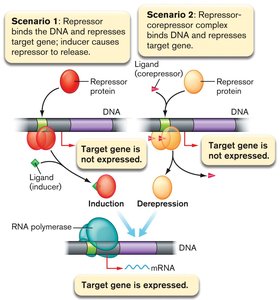
Transcriptional regulation can be achieved through repression, induction, and derepression.
Repressors block transcription by binding to DNA; inducers can relieve repression.
Corepressors can enhance repression by forming complexes with repressors.
Induction and derepression allow gene expression in response to environmental cues.
Activator Proteins and Transcription Stimulation
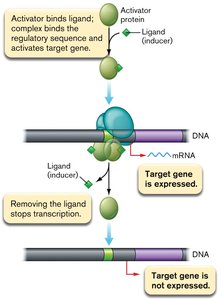
Activator proteins stimulate transcription by binding to regulatory sequences and recruiting RNA polymerase. Removal of the ligand stops transcription.
Activator-ligand complexes promote gene expression.
Transcription is halted when the ligand is removed.
DNA Binding Sites for Transcription Factors
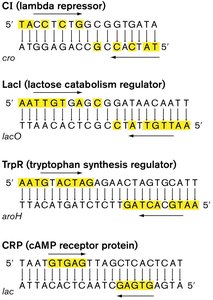
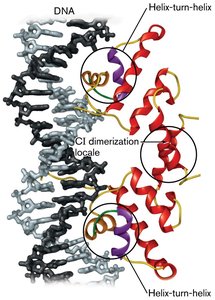
Transcription factors recognize specific DNA sequences, often through helix-turn-helix motifs.
Each regulator binds a unique DNA sequence.
Examples include CI (lambda repressor), LacI, TrpR, and CRP.
Sensing the Environment: Two-Component Systems
Two-Component Signal Transduction
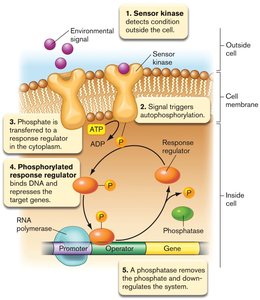
Microbes use two-component systems to sense and respond to environmental signals.
Sensor kinase in the membrane detects signals and autophosphorylates.
Response regulator in the cytoplasm receives the phosphate and binds DNA to alter transcription.
Phosphatases reset the system by removing the phosphate.
The E. coli Lac Operon: A Model for Gene Regulation
Lactose Utilization and the Lac Operon
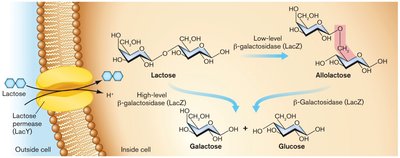
Escherichia coli uses the lac operon to digest lactose, a milk sugar. Lactose cannot cross the membrane without lactose permease, and must be converted to glucose by β-galactosidase.
Lactose permease (LacY) transports lactose into the cell.
β-galactosidase (LacZ) converts lactose to glucose and galactose.
Humans also produce β-galactosidase; deficiency leads to lactose intolerance.
Structure and Function of the Lac Operon
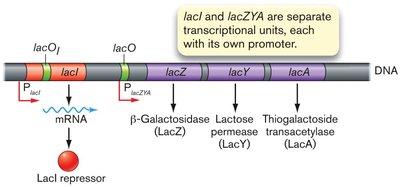
The lac operon consists of multiple genes transcribed from a single promoter, allowing coordinated expression.
lacZ: Encodes β-galactosidase.
lacY: Encodes lactose permease.
lacA: Encodes thiogalactoside transacetylase.
lacI encodes the repressor protein.
Regulation of the Lac Operon
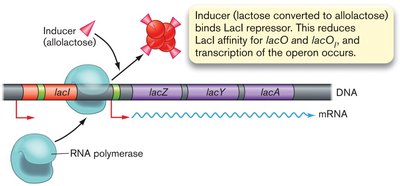
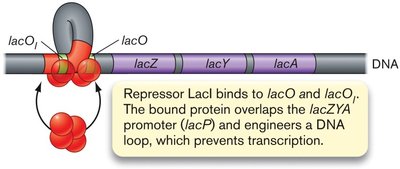
LacI repressor binds to the operator, blocking transcription.
Presence of lactose (allolactose) causes the repressor to release, allowing transcription.
Repressor cannot bind both DNA and inducer simultaneously.
Glucose Transport and Inducer Exclusion
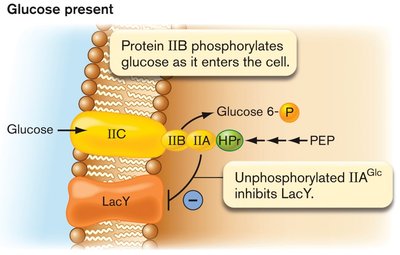
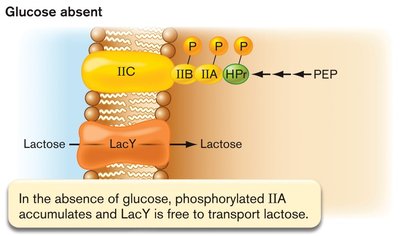
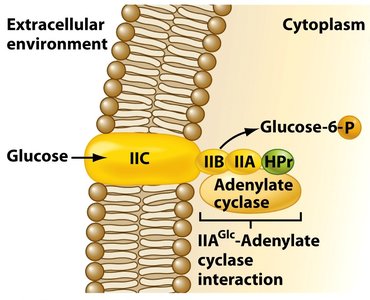
The phosphotransferase system (PTS) regulates lactose entry based on glucose availability.
When glucose is present, unphosphorylated IIAGlc inhibits LacY, preventing lactose entry.
Absence of glucose allows phosphorylated IIAGlc, enabling lactose transport and lac operon induction.
Catabolite Repression
Catabolite repression ensures that glucose, the preferred sugar, is used first.
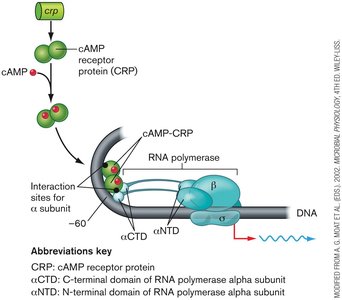
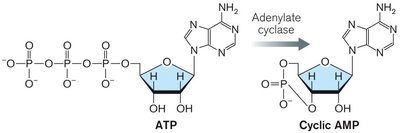
High glucose lowers cAMP levels, inactivating CRP (cAMP receptor protein).
CRP-cAMP complex is required for high-level transcription of the lac operon.
Low cAMP (high glucose) results in low lac operon transcription.
Diauxic Growth Curve
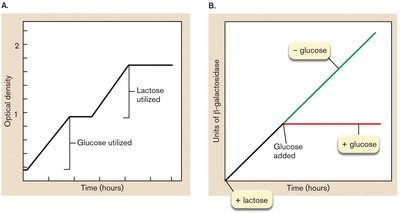
E. coli exhibits diauxic growth when provided with both glucose and lactose, utilizing glucose first and then lactose.
Glucose represses lac operon expression.
Once glucose is depleted, lac operon is induced and lactose is utilized.
Other Operon Controls
Arabinose Operon (ara Operon)
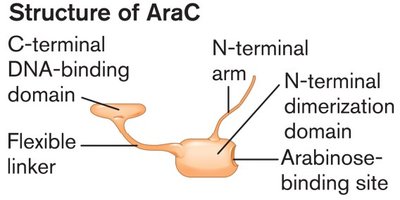
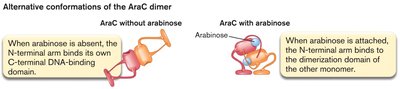
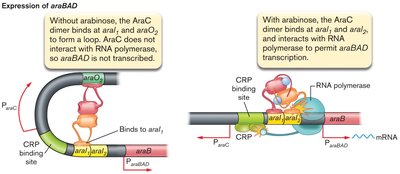
The ara operon is regulated by AraC, which acts as both a repressor and activator depending on arabinose presence.
Without arabinose, AraC represses transcription.
With arabinose, AraC changes conformation and activates transcription.
Repression of Anabolic Pathways: trp Operon
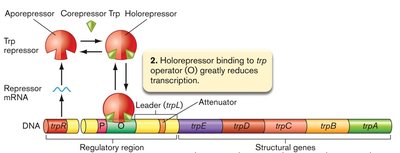
The trp operon controls tryptophan synthesis. When tryptophan is abundant, the trp repressor binds tryptophan and DNA, shutting down transcription.
Trp repressor requires tryptophan to bind DNA.
Opposite mechanism to lac repressor.
Sigma Factor Regulation
Role of Sigma Factors
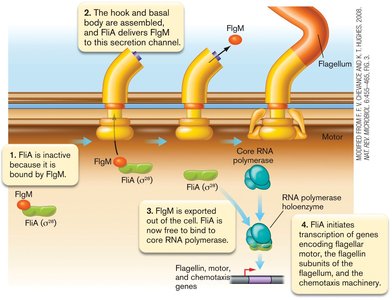
Sigma factors direct RNA polymerase to specific promoters, regulating transcription globally.
σ70: Initiates transcription at most genes.
Alternative sigma factors are used for stress responses, sporulation, and motility.
Control of sigma factor ratios determines overall protein synthesis.
Regulation of Sigma Factors
Temperature-sensitive mRNA structures allow translation of specific sigma factors only under certain conditions.
Proteolysis and anti-sigma factors provide rapid turnover and precise control.

Attenuation of the trp Operon
Mechanism of Attenuation
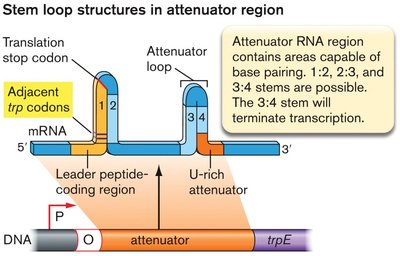
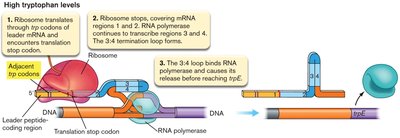
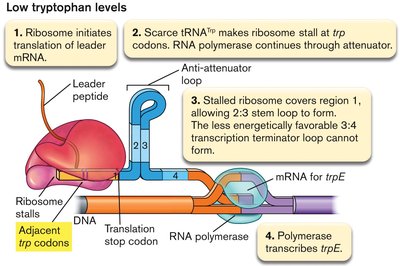
Attenuation is a regulatory mechanism where transcription is terminated early based on tryptophan levels.
Leader peptide contains tryptophan codons.
Ribosome stalling at low tryptophan prevents formation of terminator loop, allowing transcription.
High tryptophan allows terminator loop formation, stopping transcription.
Small Regulatory RNAs (sRNAs)
Functions of sRNAs
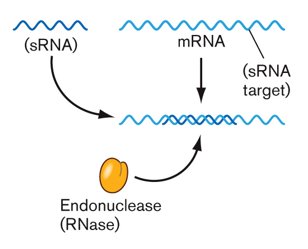
Small RNAs regulate gene expression at transcriptional and translational levels.
Antisense RNAs base-pair with mRNA, preventing translation.
Endonucleases remove sRNAs, allowing translation to resume.
sRNAs are universal gene control mechanisms.
Riboswitch Regulation
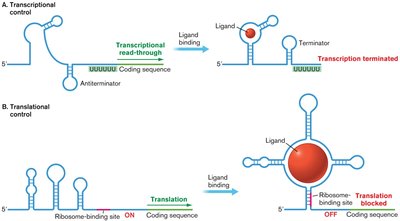
Riboswitches are RNA elements that control gene expression in response to ligand binding.
Can regulate transcription or translation.
Ligand binding alters RNA structure, affecting gene expression.
Stringent Response and Second Messengers
Stringent Response
The stringent response is triggered by nutrient deprivation, slowing translation and ribosome production.
ppGpp is produced by idling ribosomes.
ppGpp interacts with RNA polymerase, reducing rRNA synthesis.
Cyclic di-GMP and Biofilm Formation
Cyclic di-GMP is a second messenger that regulates biofilm formation and motility.
Represses flagellar genes.
Activates genes for biofilm formation.
Quorum Sensing and Microbial Communication
Quorum Sensing Mechanism
Quorum sensing allows microbes to coordinate behavior at high cell density by producing and sensing autoinducers.
Autoinducers accumulate as cell density increases.
Binding to sensors activates transcription of target genes.
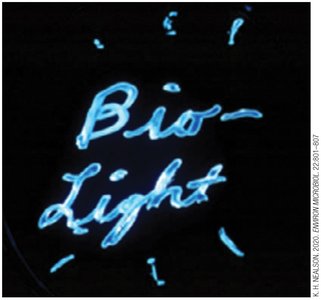
Examples include bioluminescence in Vibrio fischeri and biofilm formation.
Examples of Microbial Quorum-Sensing Systems
System | Organism | Autoinducer Family | Function |
|---|---|---|---|
TraR/Tral | Agrobacterium tumefaciens | Homoserine lactone | Conjugation |
LuxR/LuxI | Vibrio (Aliivibrio) fischeri | Homoserine lactone | Bioluminescence |
LasR/LasI | Pseudomonas aeruginosa | Homoserine lactone | Exoenzyme production |
Rhi | Pseudomonas aeruginosa | Homoserine lactone | Exoenzyme production |
LuxN/LuxLM | Vibrio harveyi | Homoserine lactone | Bioluminescence |
Agr | Staphylococcus | Peptide | Exotoxin production |
StrR | Streptomyces griseus | γ-Butyrolactone | Aerial hyphae; antibiotic production |
LuxQ/LuxS | Vibrio harveyi | Furanosyl borate diester | Bioluminescence |
SdiA | Escherichia coli | Unknown | Cell division |
YpeR/Ypel | Yersinia pestis | Unknown | Unknown |
DNA Rearrangements and Phase Variation
Phase Variation
Phase variation allows bacteria to switch the type of flagellum produced by inverting a section of the chromosome.
In one orientation, H2 flagellin is produced.
In the other orientation, H1 flagellin is produced.
This mechanism enables evasion of host immune responses.
Summary
Molecular regulation in microbes involves complex mechanisms to sense environmental changes and adjust gene expression. These include transcriptional and translational control, operon regulation, sigma factors, small RNAs, second messengers, quorum sensing, and DNA rearrangements. Understanding these systems is fundamental to microbiology and biotechnology. Additional info: Academic context and explanations were expanded for clarity and completeness.
