 뒤로
Pathogenic Gram-Negative Bacilli: Medical Microbiology Study Notes
스터디 가이드 - 스마트 노트
 자료에 맞춘 맞춤형 노트, 핵심 정의, 예시, 맥락을 확장해 제공합니다.
Pathogenic Gram-Negative Bacilli
Overview of Gram-Negative Bacilli
Gram-negative bacilli are a diverse group of non-spore-forming bacteria found in various habitats, including soil, water, animals, and humans. While many are not medically significant, some are true pathogens or opportunists. All possess an outer membrane lipopolysaccharide, which acts as an endotoxin and contributes to their pathogenicity.
Aerobic Gram-Negative Nonenteric Bacilli: Includes Pseudomonas, Burkholderia, Bordetella, Francisella, and Alcaligenes.
Obligate Anaerobes: Includes Bacteroides.
Facultative Anaerobes: Ferment carbohydrates.
Pseudomonas and Related Genera
Pseudomonas species are small, gram-negative rods with a single polar flagellum. They are free-living, primarily found in soil and water, and are important decomposers and bioremediators. They use aerobic respiration and do not ferment carbohydrates. Many produce water-soluble pigments and are frequent contaminants in clinical settings.
Pseudomonas aeruginosa: Common inhabitant of soil and water; resistant to disinfectants and drugs; frequent contaminant of medical equipment; opportunistic pathogen.
Clinical Significance: Causes nosocomial infections, especially in burn patients, those with cystic fibrosis, and immunocompromised individuals. Complications include pneumonia, UTI, abscesses, otitis, and corneal disease. Notable for its grapelike odor and greenish-blue pigment (pyocyanin).
Multidrug Resistance: Presents significant treatment challenges.
Burkholderia and Stenotrophomonas
These genera are similar to pseudomonads and are obligate aerobes, motile, and oxidase positive. They inhabit soil and water and are opportunistic pathogens.
Burkholderia cepacia: Biodegradation agent; causes respiratory, urinary, and skin infections; drug resistant.
Burkholderia pseudomallei: Acquired through injury or inhalation; causes wound infections, bronchitis, pneumonia, and septicemia.
Stenotrophomonas maltophilia: Found in water and soil; forms biofilms on medical equipment; highly drug-resistant; treated with trimethoprim and sulfamethoxazole.
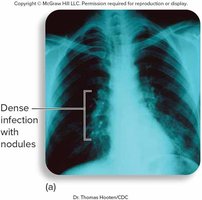
Brucella and Francisella
Both are zoonotic pathogens transmitted from animals to humans.
Brucella: Tiny gram-negative coccobacilli; causes brucellosis (malta fever, undulant fever, Bang disease); fluctuating fever; treated with doxycycline or streptomycin; animal vaccine available; potential bioweapon.
Francisella tularensis: Causes tularemia; transmitted by contact with infected animals or vectors; symptoms include fever, chills, malaise, and ulcerative lesions; high death rate in systemic forms; treated with gentamicin or streptomycin; no vaccine available; potential bioterrorism agent.
Bordetella and Legionella
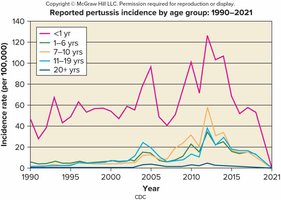
Bordetella pertussis causes whooping cough, a severe respiratory disease in children. Transmission occurs via aerosols or direct contact. Virulence factors include toxins that destroy ciliated cells, leading to mucus buildup and airway blockage. Vaccination (DTaP) is effective.
Legionella pneumophila: Causes Legionnaires’ disease and Pontiac fever; found in water and associated with amoebas; not contagious; treated with levofloxacin or azithromycin.
Family Enterobacteriaceae
General Characteristics
Large family of gram-negative, non-spore-forming rods. Many inhabit soil, water, and the intestines of animals. They are frequent causes of diarrhea and nosocomial infections.
Key Traits: Glucose fermentation, nitrate reduction, oxidase-negative, flagella in most, straight rods.
Classification: Coliforms (lactose fermenters) and non-coliforms (non-lactose fermenters).
Screening: Enrichment, selective, and differential media used for pathogen detection.
Biochemical Differentiation of Enteric Genera
Enteric genera are differentiated using biochemical tests such as IMViC (Indole, Methyl Red, Voges-Proskauer, Citrate) and triple sugar iron (TSI) tests.
IMViC Tests: Used to distinguish between common opportunistic enterics.
TSI Test: Rapid lactose fermentation, motility, indole production, citrate utilization, H2S production, and urease activity are key differentiators.
Additional info: The TSI test and IMViC tests are standard biochemical assays for identifying enteric bacteria in clinical microbiology.
Antigenic Structures and Virulence Factors
Surface antigens contribute to pathogenicity and immune response:
H antigen: Flagellar antigen
K antigen: Capsule/fimbrial antigen
O antigen: Somatic/cell wall antigen (present in all species; implicated in endotoxic shock)
Virulence Factors: Endotoxins, exotoxins, capsules, fimbriae, and attachment molecules
Escherichia coli: Pathotypes and Clinical Significance
Escherichia coli is the most common aerobic bacterium in the gut, with over 150 strains. Pathogenic strains are grouped by their virulence mechanisms:
EHEC: Enterohemorrhagic E. coli; causes hemorrhagic colitis and hemolytic uremic syndrome
ETEC: Enterotoxigenic E. coli; causes severe diarrhea via heat-labile and heat-stable toxins
EIEC: Enteroinvasive E. coli; causes inflammatory disease of the large intestine
EPEC: Enteropathogenic E. coli; causes infantile diarrhea
EAEC: Enteroaggregative E. coli; pediatric diarrhea
DAEC: Diffusely adherent E. coli; minor cause of pediatric diarrhea
Pathogenic E. coli strains are major causes of infantile diarrhea, traveler’s diarrhea, and UTIs. Treatment includes oral antimicrobics and symptom relief agents.
Role of E. coli in Food Infections
O157:H7 is a notable enterohemorrhagic strain involved in foodborne outbreaks. It produces shiga toxin, which disrupts protein synthesis in host cells, leading to cell death and intestinal damage. Testing and labeling of meat products are required for consumer safety.
Other Coliforms and Carbapenem-Resistant Enterobacteriaceae
Other coliforms such as Klebsiella, Enterobacter, Citrobacter, and Serratia are opportunistic and often drug-resistant. Carbapenem-resistant strains pose significant challenges in nosocomial settings.
KPC, NDM, VIM: Enzymes conferring resistance to carbapenem antibiotics
Risk Factors: Indwelling devices increase infection risk
Noncoliform Lactose-Negative Enterics
Includes opportunists (Proteus, Morganella, Providencia) and true pathogens (Salmonella, Shigella).
Proteus: Swarms on moist agar; causes UTIs, wound infections, pneumonia, septicemia, and infant diarrhea
Morganella and Providencia: Similar infections
True Enteric Pathogens: Salmonella and Shigella
These genera possess well-developed virulence factors and are primary pathogens.
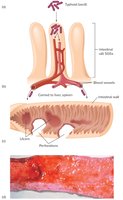
Salmonella: Two species (S. bongori, S. enterica); numerous serotypes; causes typhoid fever and other salmonelloses
Shigella: Causes shigellosis (bacillary dysentery); invades large intestine; symptoms include fever, cramps, and bloody diarrhea
The Enteric Yersinia Pathogens
Yersinia enterocolitica and Y. pseudotuberculosis infect the intestines and lymph nodes, causing inflammation that can mimic appendicitis.
Yersinia pestis: Causes plague; virulence factors include capsule, coagulase, endotoxin, and murine toxin
Transmission: Flea vectors; infection can be bubonic, septicemic, or pneumonic
Diagnosis and Treatment: Based on history, symptoms, and lab findings; treated with ciprofloxacin; vaccines available
Family Pasteurellaceae and Haemophilus
Pasteurella is a zoonotic genus, normal flora in animals, causing opportunistic infections in humans. Haemophilus influenzae is a major cause of bacterial meningitis, pneumonia, and other infections. Vaccination has significantly reduced disease incidence.
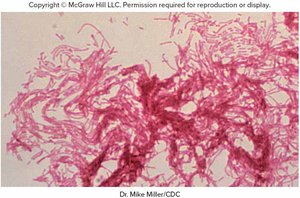
Haemophilus ducreyi: Causes chancroid STD; treated with azithromycin
H. parainfluenzae: Normal oral microbiota; can cause infective endocarditis
Summary Table: Biochemical Traits of Enteric Genera
The following table summarizes key biochemical traits used to differentiate common enteric genera:
Test | Positive Result | Negative Result |
|---|---|---|
Lactose Fermentation | Coliforms (e.g., Escherichia, Klebsiella) | Non-coliforms (e.g., Proteus, Salmonella) |
Indole Production | Escherichia | Klebsiella |
Motility | Proteus | Klebsiella |
H2S Production | Proteus, Salmonella | Escherichia, Klebsiella |
Urease Activity | Proteus, Yersinia | Shigella |
Citrate Utilization | Enterobacter, Citrobacter | Escherichia |
Voges-Proskauer | Klebsiella | Proteus |
Additional info: | IMViC and TSI tests are standard for clinical identification. | |
Key Concepts Check
Main reservoir for Pseudomonas aeruginosa: Soil and water
True of enterics: Some are normal flora, some release endotoxin, some release enterotoxins (all of the above)
Most likely pathogen after cleaning a pet snake’s aquarium: Salmonella bongori
Bubo of bubonic plague: Enlarged (swollen) lymph node
