 뒤로
Pathogenic Gram-Negative Cocci: Neisseria and Related Genera
스터디 가이드 - 스마트 노트
 자료에 맞춘 맞춤형 노트, 핵심 정의, 예시, 맥락을 확장해 제공합니다.
Gram-Negative Cocci of Medical Importance
The Family Neisseriaceae
The Neisseriaceae family consists of gram-negative cocci that inhabit the mucous membranes of warm-blooded animals. The genera include Neisseria, Branhamella, and Moraxella. Among these, two primary human pathogens are recognized: Neisseria gonorrhoeae and Neisseria meningitidis.
Habitat: Mucous membranes of humans and animals
Pathogenic Genera: Neisseria (gonorrhea, meningitis), Moraxella (opportunistic infections)
Genus Neisseria: Structure and Physiology
Neisseria species are gram-negative, bean-shaped diplococci. Pathogenic species possess capsules and pili, which aid in attachment and evasion of host defenses. They are strict parasites, requiring enriched media for growth, and are aerobic or microaerophilic. They produce catalase and cytochrome oxidase.
Cell Morphology: Bean-shaped, diplococci, non-motile, non-spore-forming
Virulence Factors: Capsules, pili, IgA protease
Growth Requirements: Enriched complex media, strict parasitism
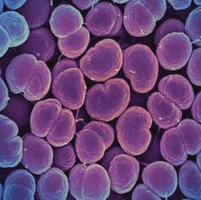
Neisseria gonorrhoeae: The Gonococcus
Pathogenicity and Epidemiology
Neisseria gonorrhoeae is the causative agent of gonorrhea, a common sexually transmitted disease. Its pathogenicity is attributed to fimbriae and other surface molecules that facilitate attachment and slow phagocytosis, as well as IgA protease, which cleaves secretory IgA. Gonorrhea is strictly a human infection, with an infectious dose of 100-1,000 CFU. The organism does not survive long outside the host.
Virulence Factors: Fimbriae, IgA protease
Transmission: Sexual contact, vertical transmission during birth
Infectious Dose: 100-1,000 CFU
Clinical Manifestations
Genital Gonorrhea in Males
In males, gonorrhea typically presents as urethritis with yellowish discharge, scarring, and potential infertility. Approximately 10% of males are asymptomatic.
Symptoms: Urethritis, discharge, scarring, infertility
Asymptomatic Rate: 10%
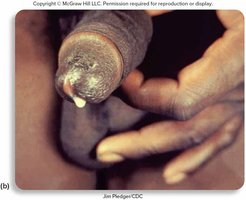
Genitourinary Gonorrhea in Females
In females, gonorrhea can cause vaginitis, urethritis, and salpingitis (pelvic inflammatory disease), which may lead to sterility and ectopic pregnancies. About 50% of females are asymptomatic.
Symptoms: Vaginitis, urethritis, salpingitis, sterility, ectopic pregnancy
Asymptomatic Rate: 50%
Extragenital Infections
Extragenital infections may occur in adults due to anal intercourse (proctitis), oral sex (pharyngitis, gingivitis), or self-inoculation (conjunctivitis). Rarely, the infection disseminates to joints and skin, causing chronic arthritis and rash, or even meningitis and endocarditis.
Sites: Rectum, pharynx, eyes, joints, skin
Complications: Chronic arthritis, rash, meningitis, endocarditis
Gonococcal Infections in Children
Infants born to infected mothers are at risk of eye inflammation and blindness. Prophylactic treatment is administered immediately after birth. Gonococcal infection in children (other than neonates) is indicative of sexual abuse.
Symptoms: Eye inflammation, blindness, pharyngeal and respiratory tract infection
Prevention: Prophylaxis at birth
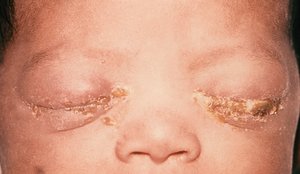
Diagnosis and Control
Diagnosis is based on Gram stain of exudate, revealing gram-negative intracellular diplococci within neutrophils. Many strains are resistant to penicillin and tetracycline, requiring combined therapies. Gonorrhea is a reportable disease, and recurrent infections are possible.
Diagnostic Methods: Gram stain, culture, rapid tests
Resistance: Penicillinase-producing (PPNG), tetracycline-resistant (TRNG)
Treatment: Combined antibiotic therapy
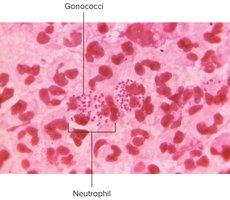
Neisseria meningitidis: The Meningococcus
Virulence and Epidemiology
Neisseria meningitidis is a prevalent cause of meningitis, especially in children and young adults. Its virulence factors include a capsule, adhesive fimbriae, IgA protease, and endotoxins. There are 12 strains, with serotypes A, B, C, and Y causing most cases. The human nasopharynx is the reservoir, and 10% of adults carry the organism asymptomatically.
Virulence Factors: Capsule, fimbriae, IgA protease, endotoxins
Serotypes: A, B, C, Y (most cases)
Reservoir: Human nasopharynx
Carriage Rate: 10% of adults
Pathogenesis and Clinical Features
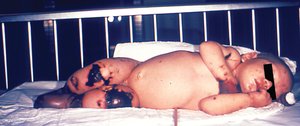
High-risk groups include those in close quarters, children (6 months–3 years), and young adults (10–20 years). The bacteria can cross the blood-brain barrier, causing rapid onset of neurological symptoms. Endotoxin release during meningococcemia may lead to hemorrhage, coagulation, vascular damage, and tissue necrosis, especially in extremities. Petechiae (crops of lesions) develop in about half of cases.
High-Risk Groups: Children, young adults, close quarters
Complications: Meningitis, meningococcemia, petechiae, necrosis
Diagnosis, Treatment, and Prevention
Diagnosis involves Gram stain and culture of CSF, blood, or nasopharyngeal samples, and rapid tests for capsular polysaccharide. Treatment is with IV penicillin G or cephalosporins. Prophylactic treatment is recommended for close contacts. Vaccines contain purified capsular antigens.
Diagnostic Methods: Gram stain, culture, rapid tests
Treatment: IV penicillin G, cephalosporins
Prevention: Vaccination, prophylactic antibiotics
Differentiating Pathogenic from Nonpathogenic Neisseria
Biochemical Differentiation
Pathogenic and nonpathogenic Neisseria species can be differentiated based on oxidase reaction and carbohydrate fermentation profiles. The following table summarizes key differences:
Species | Oxidase | Maltose | Sucrose | Lactose | Nutrient Agar | Nitrite Reduction |
|---|---|---|---|---|---|---|
Neisseria meningitidis | + | Ferments | No | No | No | No |
Neisseria sicca | + | No | Ferments | No | No | No |
Neisseria lactamica | + | No | No | Ferments | No | No |
Moraxella catarrhalis | + | No | No | No | Yes | Reduces |
Acinetobacter spp. | - | No | No | No | Yes | No |
N. gonorrhoeae | + | No | No | No | No | No |
Note: Neisseria lactamica is a weak pathogen found in the nasopharynx of children and may be mistaken for N. meningitidis.
Other Genera of Gram-Negative Cocci and Coccobacilli
Moraxella and Acinetobacter
Moraxella catarrhalis is an opportunistic pathogen found in the nasopharynx, particularly in individuals with cancer, diabetes, or alcoholism. Acinetobacter baumannii targets wounds, lungs, urinary tract, burns, and blood, and is a major nosocomial and community-acquired pathogen.
Moraxella catarrhalis: Opportunist, respiratory infections
Acinetobacter baumannii: Nosocomial infections, multidrug resistance
Concepts Check
A common cause of meningitis in young adults is found in the genus Neisseria.
Summary Table: Pathogenic Gram-Negative Cocci
Pathogen | Disease | Virulence Factors | Diagnosis | Treatment |
|---|---|---|---|---|
Neisseria gonorrhoeae | Gonorrhea | Fimbriae, IgA protease | Gram stain, culture | Combined antibiotics |
Neisseria meningitidis | Meningitis | Capsule, fimbriae, endotoxin | Gram stain, culture, rapid tests | Penicillin G, cephalosporins |
Moraxella catarrhalis | Respiratory infections | Opportunistic | Culture, biochemical tests | Antibiotics |
Acinetobacter baumannii | Nosocomial infections | Multidrug resistance | Culture, biochemical tests | Antibiotics (often limited) |
Additional info: Expanded explanations and tables were added for clarity and completeness.
