 뒤로
Physical and Chemical Agents for Microbial Control
스터디 가이드 - 스마트 노트
 자료에 맞춘 맞춤형 노트, 핵심 정의, 예시, 맥락을 확장해 제공합니다.
Controlling Microorganisms
Historical and Modern Approaches
Controlling exposure to potentially harmful microbes is essential for preventing infection and spoilage. Early methods, such as burning wood (releasing formaldehyde) and using herbs, perfumes, and vinegar, laid the foundation for modern microbial control techniques.
Decontamination: The process of destroying or reducing undesirable microbes in a given area using physical, chemical, or mechanical methods.
Primary targets: Microorganisms capable of causing infection or spoilage.
Microbial Control Methods
Definitions and Terminology
Understanding the terminology is crucial for distinguishing between different microbial control methods.
Disinfection: Removal or destruction of vegetative pathogens (not endospores) from inanimate objects using physical or chemical agents.
Sterilization: Complete removal or destruction of all viable microorganisms, including endospores, from inanimate objects.
Antisepsis: Application of chemicals (antiseptics) to living tissues to destroy or inhibit vegetative pathogens.
Sanitization: Cleansing technique that removes microorganisms from inanimate surfaces to reduce infection and spoilage risk.
Degermation: Mechanical removal of microbes from living tissue.
Microbicidal agents: Agents that destroy specific groups of microorganisms (e.g., bactericide, fungicide, virucide, sporicidal).
Microbistasis: Agents that temporarily prevent microbes from multiplying.
Table: Microbial Control Terminology
Term | Definition |
|---|---|
Sterilization | Destruction of all microorganisms, including endospores |
Disinfection | Destruction of vegetative pathogens on inanimate objects |
Antisepsis | Destruction of vegetative pathogens on living tissue |
Sanitization | Reduction of microbial load on inanimate surfaces |
Degermation | Reduction of microbial load on living tissue |
Microbicidal | Agents that kill microbes |
Microbistatic | Agents that inhibit microbial growth |
Physical Methods of Microbial Control
Heat
Heat is one of the most effective physical methods for controlling microbes.
Moist heat: Lower temperatures and shorter exposure times; causes coagulation and denaturation of proteins, halting cellular metabolism.
Dry heat: Higher temperatures; causes dehydration and alters protein structure, leading to microbial death.
Moist Heat Control
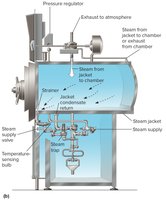
Autoclave: Uses steam under pressure (15 psi, 121°C, 10-40 min) for sterilization. Effective for denaturing proteins and destroying membranes and DNA.
Tyndallization: Intermittent sterilization for substances sensitive to autoclaving; repeated cycles over three days.
Boiling: Disinfection by boiling at 100°C for 30 minutes; destroys non-spore-forming pathogens.
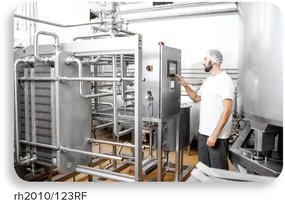
Pasteurization: Heat treatment to kill agents of infection and spoilage without affecting food quality. Flash method: 71.6°C for 15 seconds.
Dry Heat Control
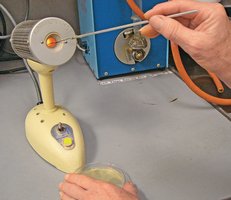
Incineration: Direct flame or electric heating coil; common in microbiology labs for sterilizing inoculating loops.
Hot air ovens: Heated, circulated air (150°C-180°C, 12 min-4 h); coagulates proteins and sterilizes materials.
Cold and Desiccation
Cold: Microbiostatic effect; slows microbial growth. Used for food, media, and culture preservation (refrigeration 0-15°C, freezing <0°C).
Desiccation: Gradual removal of water inhibits metabolism but is not reliable for microbial control; many cells can recover when water is restored.
Lyophilization: Freeze-drying for preservation.
Radiation
Radiation is used to control microbes by damaging their genetic material.
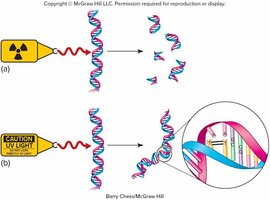
Ionizing radiation: Gamma rays, X rays, cathode rays; deep penetration, breaks DNA, used for sterilization.
Nonionizing radiation: Ultraviolet (UV) light; limited penetration, creates pyrimidine dimers, interferes with DNA replication.
Filtration
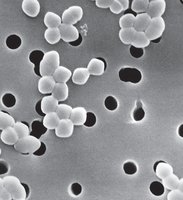
Filtration physically removes microbes from air or liquids by passing them through a filter.
Used for sterilizing heat-sensitive liquids and air in hospital isolation units and industrial clean rooms.
Chemical Methods of Microbial Control
Types of Chemical Agents
Chemical agents are used as disinfectants, antiseptics, sterilants, degermers, and preservatives.
Desirable qualities: Rapid action, solubility, stability, broad spectrum, low toxicity, penetration, noncorrosive, nonstaining, affordability.
Levels of Chemical Decontamination
Level | Effect | Application |
|---|---|---|
High-level | Kills endospores; may sterilize | Devices used in sterile environments |
Intermediate-level | Kills fungal spores, tubercle bacillus, viruses | Devices contacting mucous membranes |
Low-level | Kills vegetative bacteria, fungi, some viruses | Clean surfaces touching skin |
Factors Affecting Germicidal Activity
Nature of material
Degree of contamination
Exposure time
Concentration and chemical action (expressed as dilution factor or percentage)
Common Chemical Agents
Halogens
Phenolics
Chlorhexidine
Alcohols
Hydrogen peroxide
Aldehydes
Gases
Detergents & soaps
Heavy metals
Dyes
Acids and alkalis
Applications of Halogens
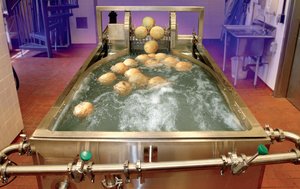
Chlorine-treated water is used to disinfect surfaces, such as cantaloupes, to kill pathogens like Salmonella.
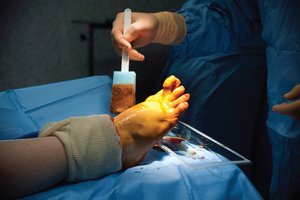
Povidone-iodine solution is applied to skin before surgery to reduce microbial load.
Alcohols
Used for antisepsis and sanitization, especially for hand hygiene when washing is impractical.

Hydrogen Peroxide
Produces highly reactive hydroxyl-free radicals that damage proteins and DNA; decomposes to O2 gas, toxic to anaerobes.
Used as an antiseptic at low concentrations; strong solutions are sporicidal.
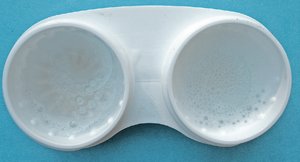
Disinfection of contact lenses with peroxide-based cleaners releases oxygen gas.
Relative Resistance of Microbes
Microbial Resistance Levels
Microbes vary in their resistance to physical and chemical control methods.
Highest resistance: Prions, bacterial endospores (Bacillus, Clostridium)
Moderate resistance: Protozoan cysts, naked viruses, bacteria with resistant walls (Mycobacterium, Pseudomonas, Acinetobacter, other Gram-negative), Staphylococcus
Least resistance: Most bacterial vegetative cells, fungal spores and hyphae, yeasts, enveloped viruses, protozoan trophozoites
Factors Affecting Microbial Death
Number of microbes
Nature of microbial population
Temperature and pH
Concentration/dosage of agent
Mode of action
Presence of solvents, organic matter, or inhibitors
Antimicrobial Agents’ Modes of Action
Cellular Targets
Physical and chemical agents target specific cellular structures:
Cell wall: Becomes fragile and lyses (affected by some drugs, detergents, alcohol).
Cell membrane: Loses integrity (affected by surfactants).
Protein and nucleic acid synthesis: Inhibits replication, transcription, translation, peptide bond formation, and protein synthesis (affected by chloramphenicol, UV radiation, formaldehyde).
Protein function: Disrupts or denatures proteins (affected by alcohols, phenols, acids, heat).
Concepts Check
Microbial Control in Practice
Wiping hands with an antimicrobial cleaner accomplishes antisepsis.
Microbiocidal effects are achieved by boiling, pasteurization, and incineration.
Hydrogen peroxide kills microbes by producing oxygen radicals.
Summary Table: Physical and Chemical Methods
Method | Type | Effect | Example/Application |
|---|---|---|---|
Autoclave | Physical (Moist Heat) | Sterilization | Laboratory media, surgical instruments |
Pasteurization | Physical (Moist Heat) | Disinfection | Milk, juices |
Incineration | Physical (Dry Heat) | Sterilization | Inoculating loops |
Filtration | Physical | Sterilization/Disinfection | Heat-sensitive liquids, air |
Chlorine | Chemical (Halogen) | Disinfection | Water, surfaces |
Povidone-iodine | Chemical (Halogen) | Antisepsis | Pre-surgical skin treatment |
Alcohol | Chemical | Antisepsis/Sanitization | Hand hygiene |
Hydrogen peroxide | Chemical | Antisepsis/Sterilization | Contact lens cleaning |
Additional info: Academic context was added to clarify definitions, expand explanations, and provide self-contained study notes suitable for exam preparation.
