뒤로

Principles of Microbiology: Comprehensive Study Guide

학습 가이드 - 영상으로 배우기

업로드한 자료에 맞춘 엄선된 수업 – 모든 주제를 단계별로 배워보세요.

Introduction to Microbiology

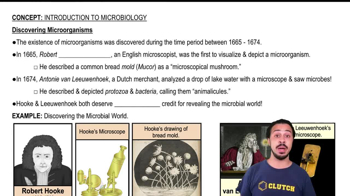
  • Discovering Microorganisms
    03:36
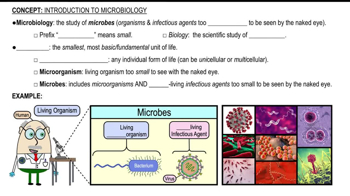
  • Introduction to Microbiology
    07:27
  • Introduction to Microbiology Channel
    1:29

Introduction to Spontaneous Generation

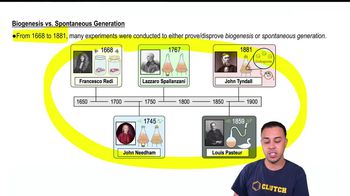
  • Biogenesis vs. Spontaneous Generation
    02:05
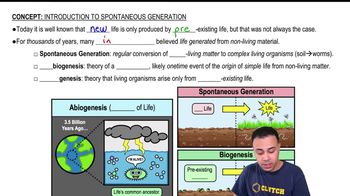
  • Introduction to Spontaneous Generation
    05:59

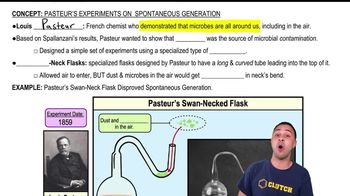
Pasteur's Experiments on Spontaneous Generation

  • Pasteur's Experiments on Spontaneous Generation
    03:50
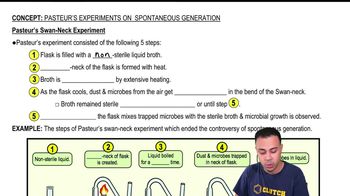
  • Pasteur’s Swan-Neck Experiment
    05:58

Koch's Postulates

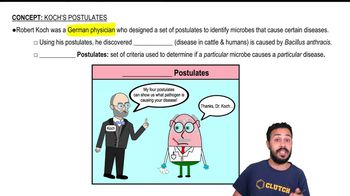
  • Koch's Postulates
    01:36
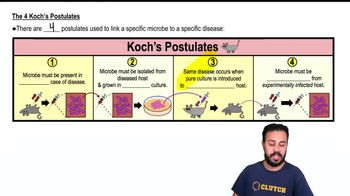
  • The 4 Koch's Postulates
    03:31
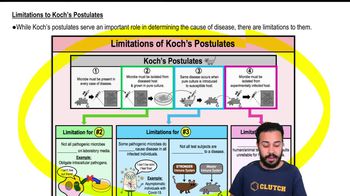
  • Limitations to Koch's Postulates
    02:58

Scientific Method

  • Scientific Method Example 1
    01:35
  • Basic Theories of Biology
    03:03
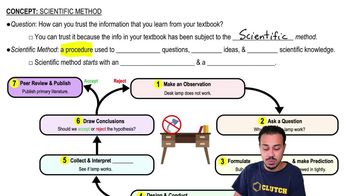
  • Scientific Method
    06:29

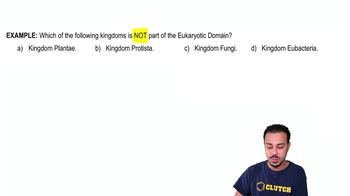
Introduction to Taxonomy

  • Introduction to Taxonomy Example 2
    01:37
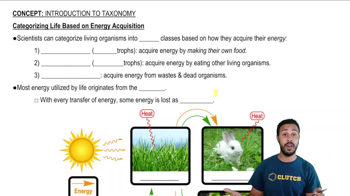
  • Categorizing Life Based on Energy Acquisition
    06:14
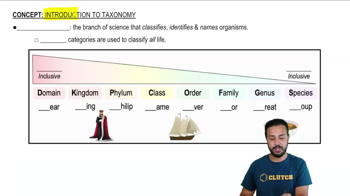
  • Introduction to Taxonomy
    02:23

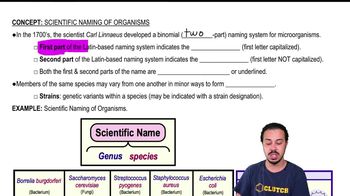
Scientific Naming of Organisms

  • Scientific Naming of Organisms
    05:22

Biofilms

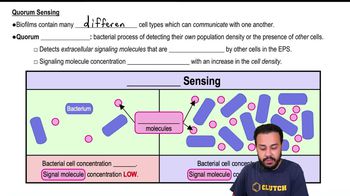
  • Quorum Sensing
    04:13
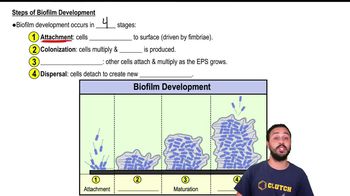
  • Steps of Biofilm Development
    04:32
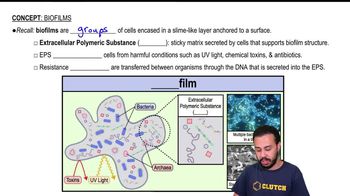
  • Biofilms
    03:14

Introduction to Staining

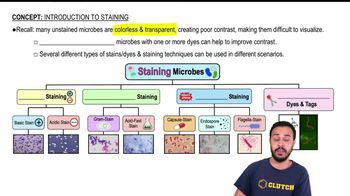
  • Introduction to Staining
    02:10

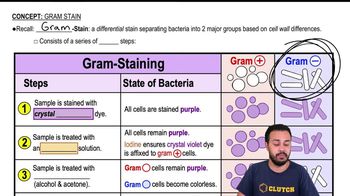
Gram Stain

  • Gram Stain
    04:57

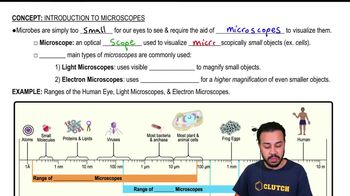
Introduction to Microscopes

  • Introduction to Microscopes
    06:13

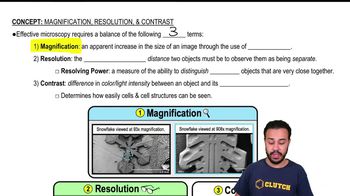
Magnification, Resolution, & Contrast

  • Magnification, Resolution, & Contrast
    07:29

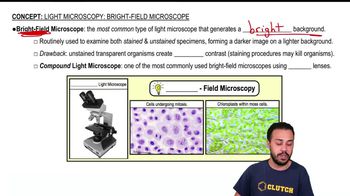
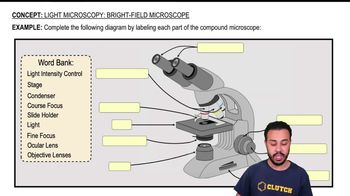
Light Microscopy: Bright-Field Microscopes

  • Light Microscopy: Bright-Field Microscopes
    03:46
  • Light Microscopy: Bright-Field Microscopes Example 1
    03:41
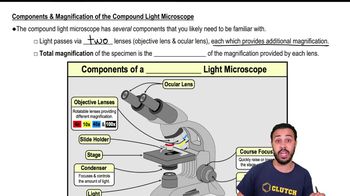
  • Components & Magnification of the Compound Light Microscope
    06:15

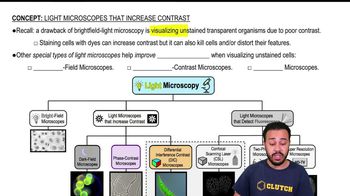
Light Microscopes that Increase Contrast

  • Light Microscopes that Increase Contrast
    02:39
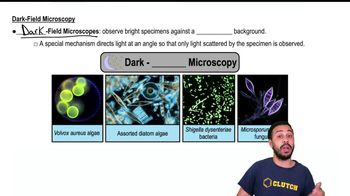
  • Dark-Field Microscopy
    01:52
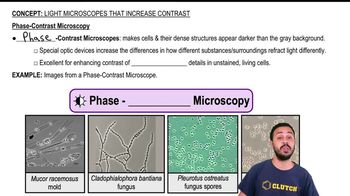
  • Phase-Contrast Microscopy
    03:27

Light Microscopes that Detect Fluorescence

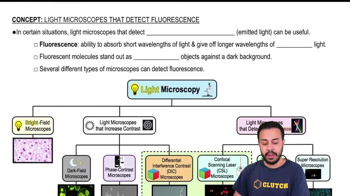
  • Light Microscopes that Detect Fluorescence
    01:46
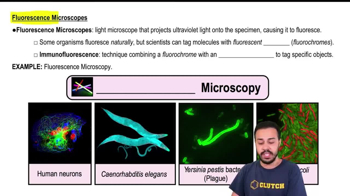
  • Fluorescence Microscopes
    02:54
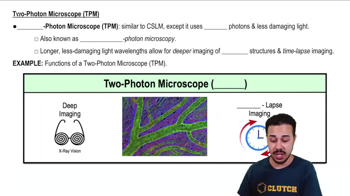
  • Two-Photon Microscope (TPM)
    02:01

Electron Microscopes

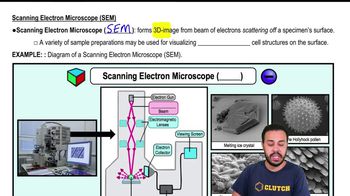
  • Scanning Electron Microscope (SEM)
    02:42
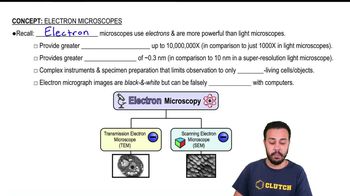
  • Electron Microscopes
    03:08
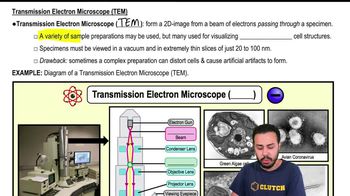
  • Transmission Electron Microscope (TEM)
    04:23

Atoms- Smallest Unit of Matter

  • Atoms- Smallest Unit of Matter Example 1
    02:13
  • Atoms- Smallest Unit of Matter Example 3
    03:51
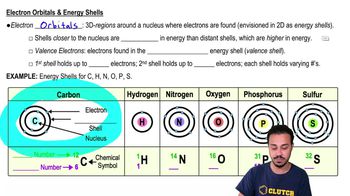
  • Electron Orbitals & Energy Shells
    09:44

Isotopes

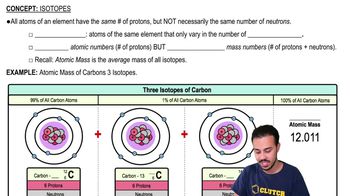
  • Isotopes
    06:50
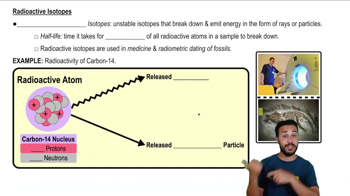
  • Radioactive Isotopes
    02:37

Introduction to Chemical Bonding

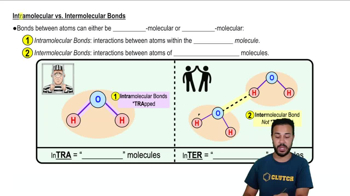
  • Intramolecular vs. Intermolecular Bonds
    04:01
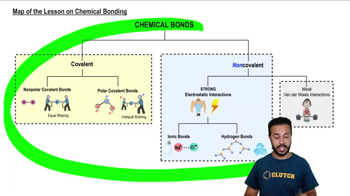
  • Map of the Lesson on Chemical Bonding
    02:42
  • Introduction to Chemical Bonding
    06:53

Covalent Bonds

  • Covalent Bonds
    04:28
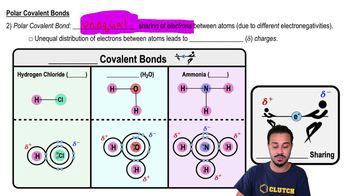
  • Polar Covalent Bonds
    06:51
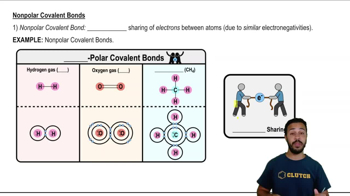
  • Nonpolar Covalent Bonds
    06:41

Ionic Bonding

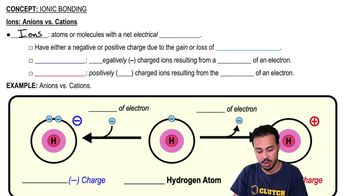
  • Ionic Bonding
    04:34
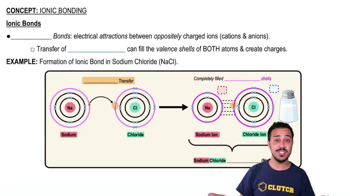
  • Ionic Bonds
    06:07

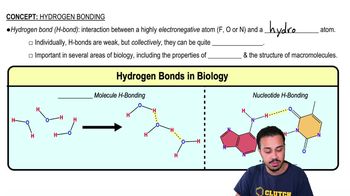
Hydrogen Bonding

  • Hydrogen Bonding
    05:03

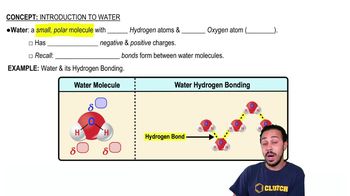
Introduction to Water

  • Introduction to Water
    01:54
  • Introduction to Water Example 1
    01:51
  • Introduction to Water
    01:29

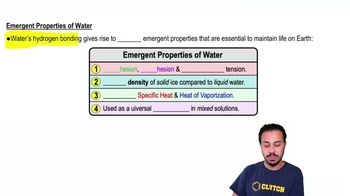
Properties of Water- Cohesion and Adhesion

  • Properties of Water- Cohesion and Adhesion Example 1
    01:46
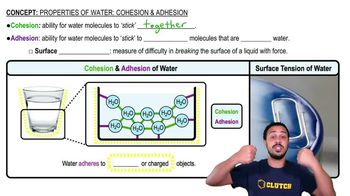
  • Properties of Water- Cohesion and Adhesion
    04:16

Properties of Water- Density

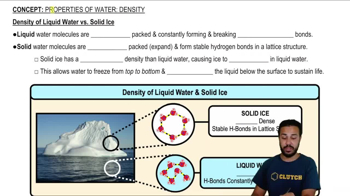
  • Properties of Water- Density
    05:43
  • Properties of Water- Density Example 1
    02:13

Properties of Water- Thermal

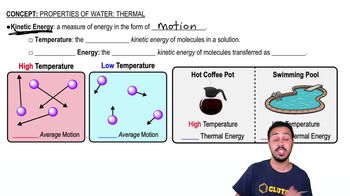
  • Properties of Water- Thermal
    04:07
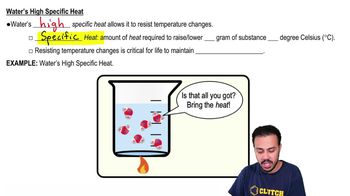
  • Water’s High Specific Heat
    03:25
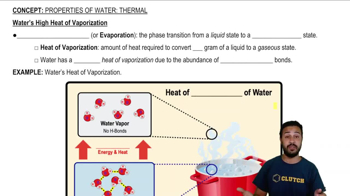
  • Water’s High Heat of Vaporization
    03:31

Properties of Water- The Universal Solvent

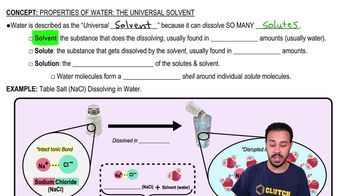
  • Properties of Water- The Universal Solvent
    06:20
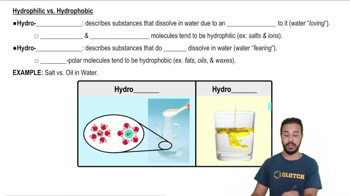
  • Hydrophilic vs. Hydrophobic
    04:33
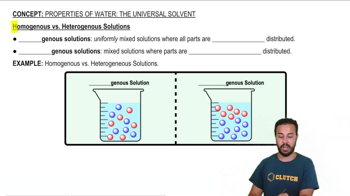
  • Homogenous vs. Heterogenous Solutions
    02:18

Acids and Bases

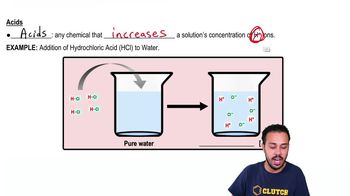
  • Acids
    03:44
  • Acids and Bases
    01:29
  • Bases
    03:48

pH Scale

  • Buffers
    05:38
  • pH Scale
    11:05

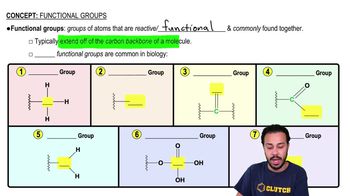
Functional Groups

  • Functional Groups Example 1
    02:00
  • Functional Groups
    06:04

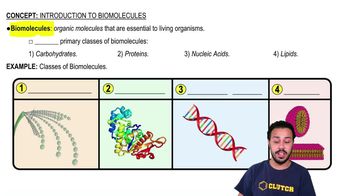
Introduction to Biomolecules

  • Introduction to Biomolecules
    01:17
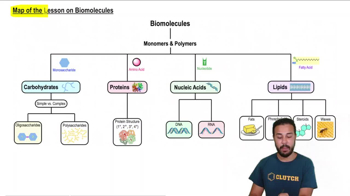
  • Map of the Lesson on Biomolecules
    01:29

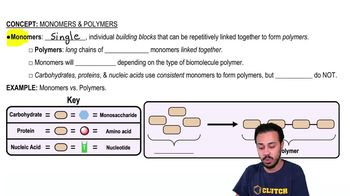
Monomers & Polymers

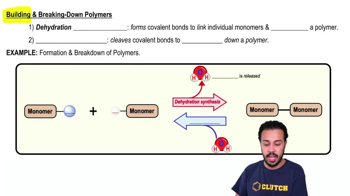
  • Building & Breaking-Down Polymers
    04:18
  • Monomers & Polymers
    03:42

Carbohydrates

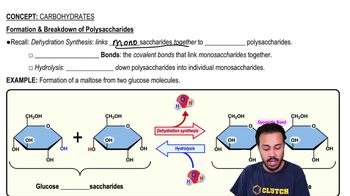
  • Formation & Breakdown of Polysaccharides
    03:08
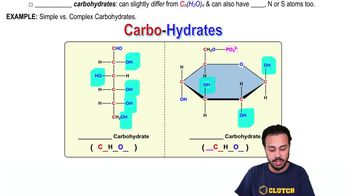
  • Carbohydrates
    04:53
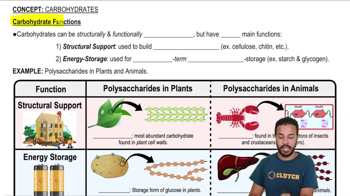
  • Carbohydrate Functions
    04:48

Proteins

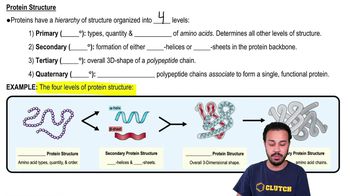
  • Protein Structure
    08:02
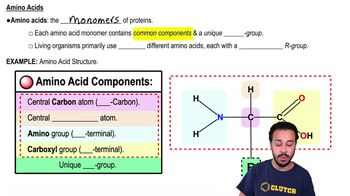
  • Amino Acids
    04:37
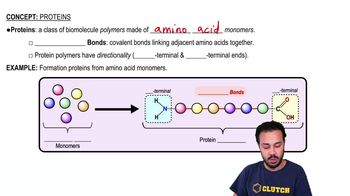
  • Proteins
    02:50

Nucleic Acids

  • Nucleic Acids Example 2
    01:05
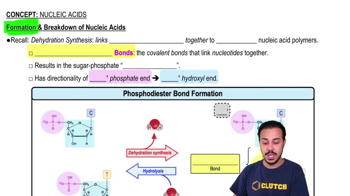
  • Formation & Breakdown of Nucleic Acids
    04:07
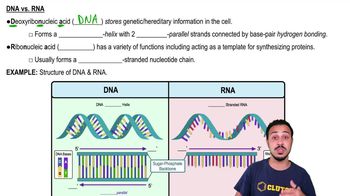
  • DNA vs. RNA
    05:57

Lipids

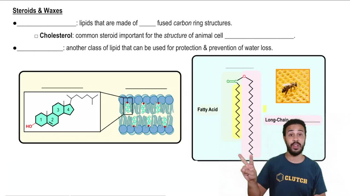
  • Steroids & Waxes
    03:31
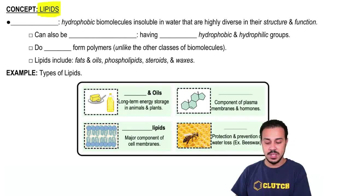
  • Lipids
    04:19
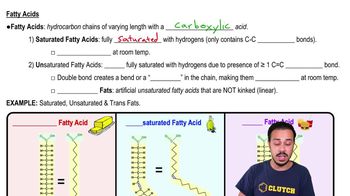
  • Fatty Acids
    06:59

Overview of Prokaryotic Cell Structure

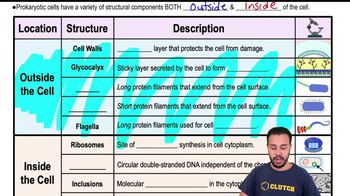
  • Overview of Prokaryotic Cell Structure
    05:59

Introduction to Bacterial Cell Walls

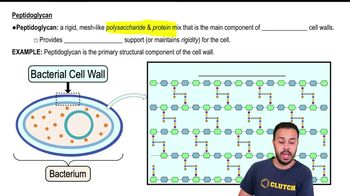
  • Peptidoglycan
    01:58
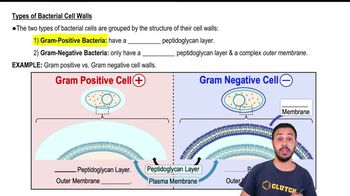
  • Types of Bacterial Cell Walls
    02:44
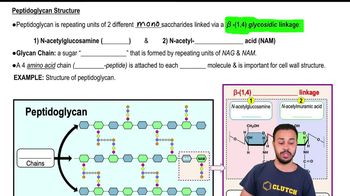
  • Peptidoglycan Structure
    04:44

Gram-Positive Cell Walls

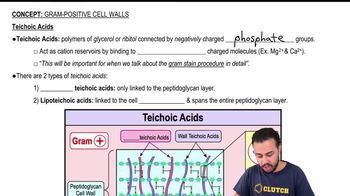
  • Teichoic Acids
    03:58
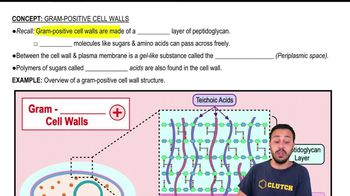
  • Gram-Positive Cell Walls
    02:59

Gram-Negative Cell Walls

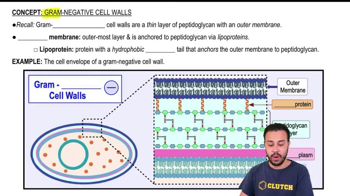
  • Gram-Negative Cell Walls
    3:04
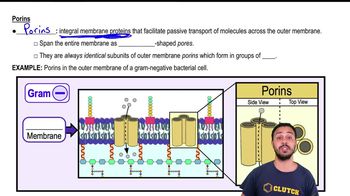
  • Porins
    02:18
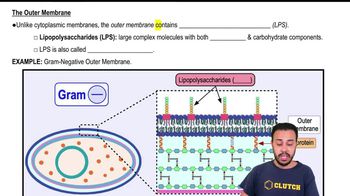
  • The Outer Membrane
    02:15

Gram-Positive vs. Gram-Negative Cell Walls

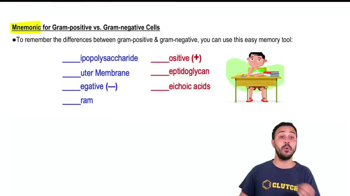
  • Mnemonic for Gram-Positive vs. Gram-Negative Cell Walls
    01:41
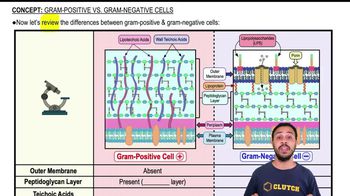
  • Gram-Positive vs. Gram-Negative Cell Walls
    04:46

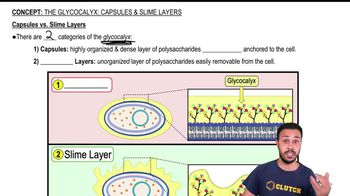
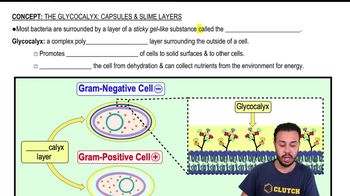
The Glycocalyx: Capsules & Slime Layers

  • The Glycocalyx: Capsules & Slime Layers
    02:26
  • Capsules vs. Slime Layers
    01:53

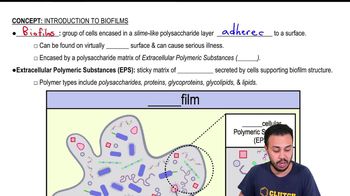
Introduction to Biofilms

  • Introduction to Biofilms
    03:31

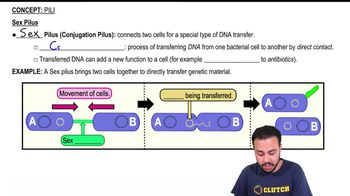
Pili

  • Sex Pilus
    03:29
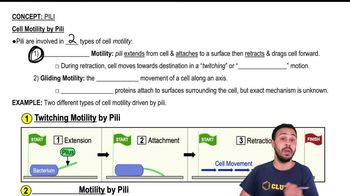
  • Cell Motility by Pili
    02:59
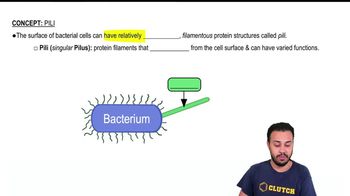
  • Pili
    01:02

Fimbriae & Hami

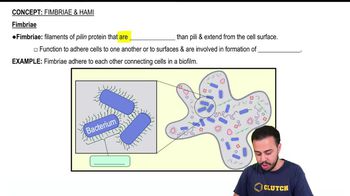
  • Fimbriae & Hami
    01:52
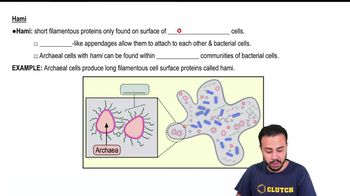
  • Hami
    01:51

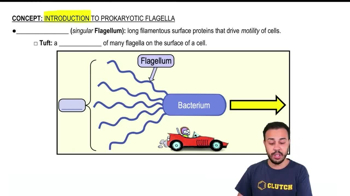
Introduction to Prokaryotic Flagella

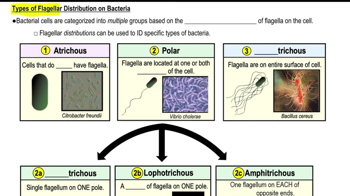
  • Types of Flagellar Distribution on Bacteria
    05:22
  • Introduction to Prokaryotic Flagella
    02:07

Prokaryotic Flagellar Structure

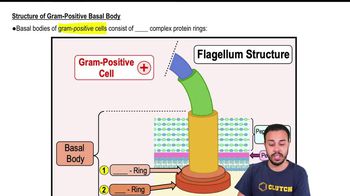
  • Structure of Gram-Positive Basal Body
    02:28
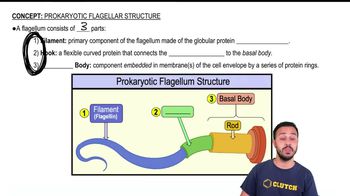
  • Prokaryotic Flagellar Structure
    02:53
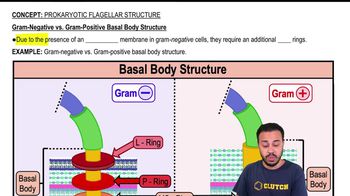
  • Gram-Negative vs. Gram-Positive Basal Body Structure
    01:59

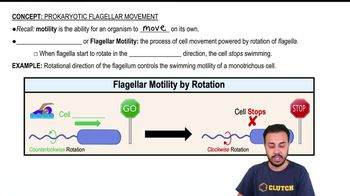
Prokaryotic Flagellar Movement

  • Prokaryotic Flagellar Movement
    02:43
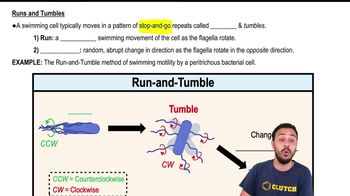
  • Runs and Tumbles
    03:17

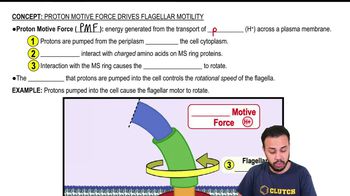
Proton Motive Force Drives Flagellar Motility

  • Proton Motive Force Drives Flagellar Motility
    04:17

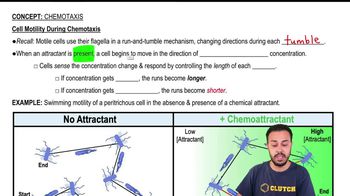
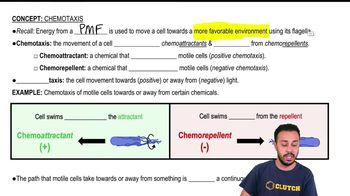
Chemotaxis

  • Cell Motility During Chemotaxis
    05:11
  • Chemotaxis
    03:21

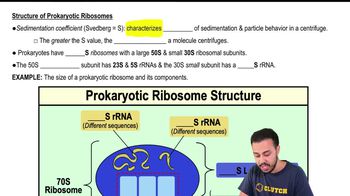
Prokaryotic Ribosomes

  • Prokaryotic Ribosomes
    01:51
  • Structure of Prokaryotic Ribosomes
    08:39

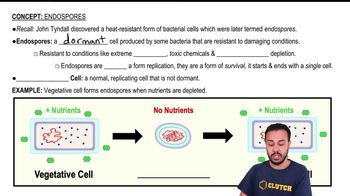
Endospores

  • Endospores
    05:35
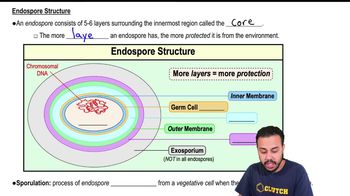
  • Endospore Structure
    03:08

Sporulation

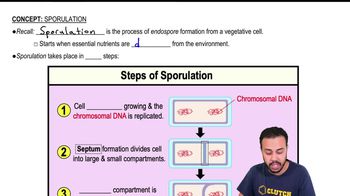
  • Sporulation
    04:08

Germination

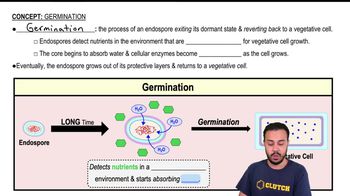
  • Germination
    02:59

Introduction to Eukaryotic Organelles

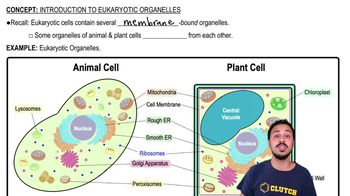
  • Introduction to Eukaryotic Organelles
    03:45
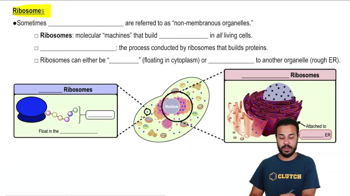
  • Eukaryotic Ribosomes
    05:51
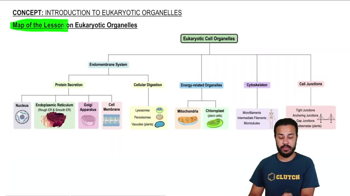
  • Map of the Lesson on Eukaryotic Organelles
    02:04

Endomembrane System: Protein Secretion

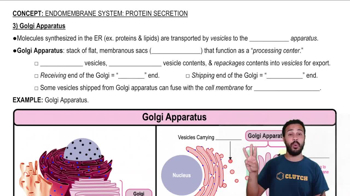
  • Golgi Apparatus
    06:02
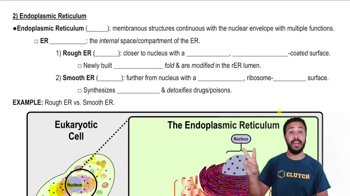
  • Endoplasmic Reticulum
    06:07
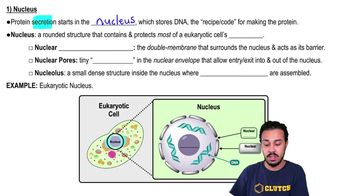
  • Nucleus
    06:32

Endomembrane System: Digestive Organelles

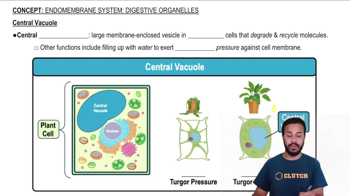
  • Central Vacuole
    03:35
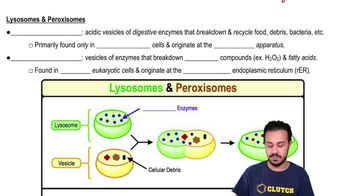
  • Lysosome & Peroxisome
    05:38

Mitochondria & Chloroplasts

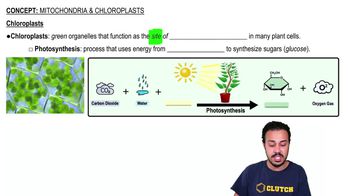
  • Chloroplasts
    03:16
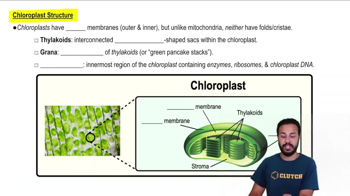
  • Chloroplast Structure
    03:49
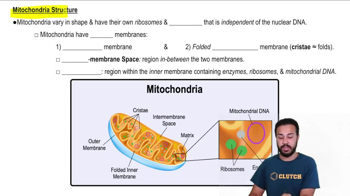
  • Mitochondria Structure
    04:45

Endosymbiotic Theory

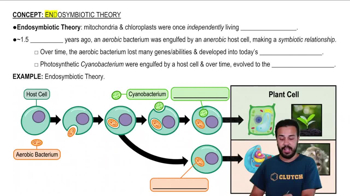
  • Endosymbiotic Theory
    07:29

Introduction to the Cytoskeleton

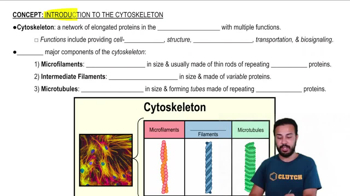
  • Introduction to the Cytoskeleton
    06:05

Eukaryotic Cilia & Flagella

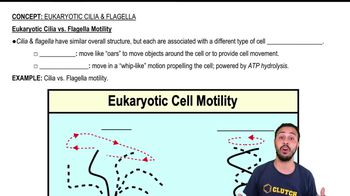
  • Eukaryotic Cilia & Flagella Motility
    01:59
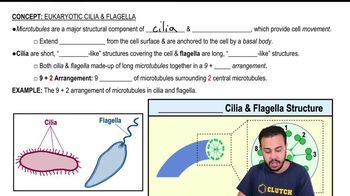
  • Eukaryotic Cilia & Flagella
    02:36
Mitosis & Meiosis

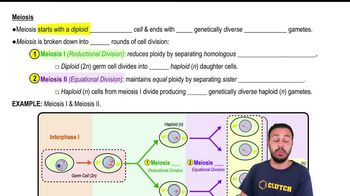
  • Meiosis
    05:17
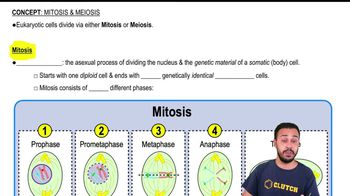
  • Mitosis
    03:58
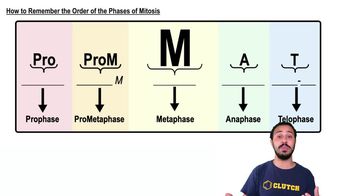
  • How to Remember the Order of the Phases of Mitosis
    02:27

Introduction to Microbial Genetics

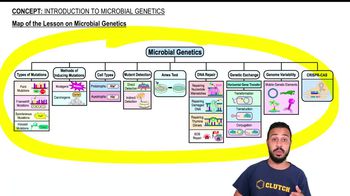
  • Map of the Lesson on Microbial Genetics
    02:04
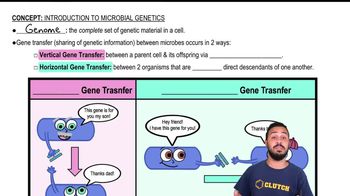
  • Introduction to Microbial Genetics
    04:20

Introduction to Mutations

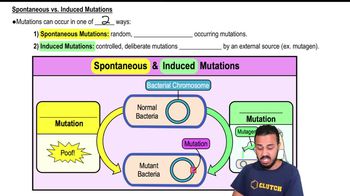
  • Spontaneous vs. Induced Mutations
    02:47
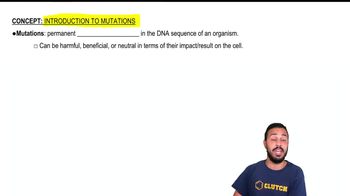
  • Introduction to Mutations
    00:37
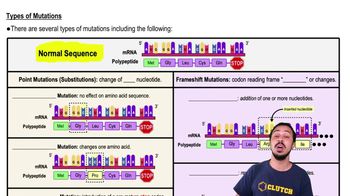
  • Types of Mutations
    08:44

Methods of Inducing Mutations

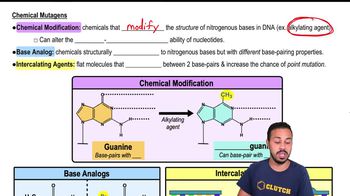
  • Chemical Mutagens
    05:13
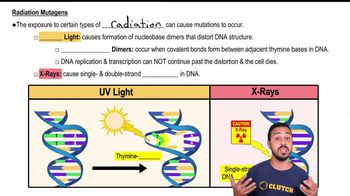
  • Radiation Mutagens
    02:55
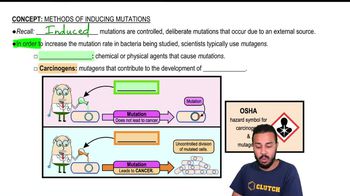
  • Methods of Inducing Mutations
    03:19

Mutant Detection

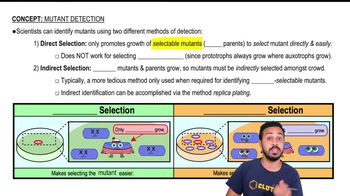
  • Mutant Detection
    06:49
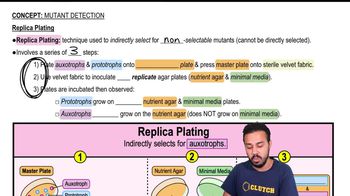
  • Replica Plating
    05:36
The Ames Test

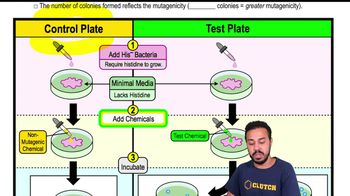
  • The Ames Test
    06:59

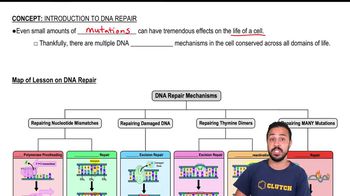
Introduction to DNA Repair

  • Introduction to DNA Repair
    02:47

DNA Repair Mechanisms

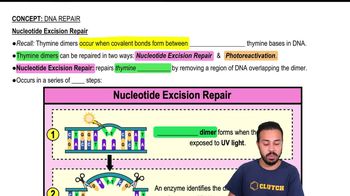
  • Nucleotide Excision Repair
    03:31
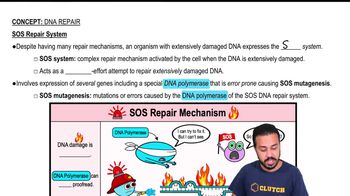
  • SOS Repair System
    03:50
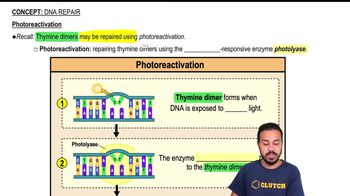
  • Photoreactivation
    02:29

Horizontal Gene Transfer

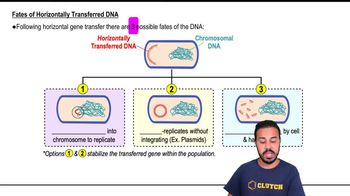
  • Fates of Horizontally Transferred DNA
    03:13
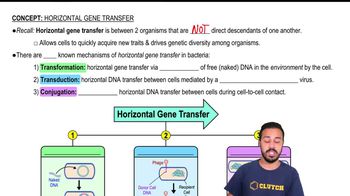
  • Horizontal Gene Transfer
    04:42
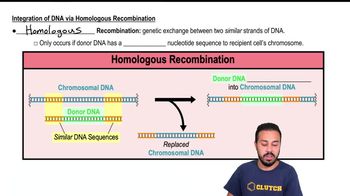
  • Integration of DNA via Homologous Recombination
    02:52

Bacterial Transformation

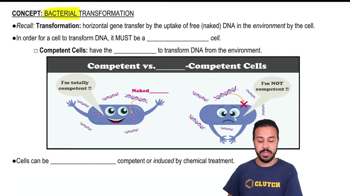
  • Bacterial Transformation
    03:06
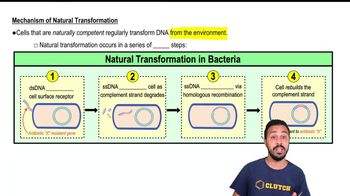
  • Mechanism of Natural Transformation
    03:49

Transduction

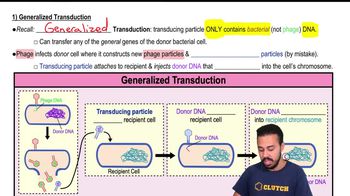
  • Generalized Transduction
    04:24
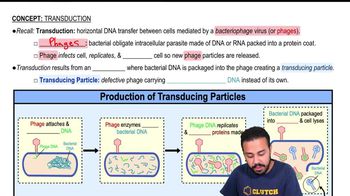
  • Transduction
    06:49
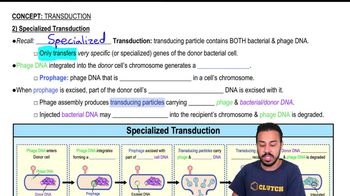
  • Specialized Transduction
    06:34

Introduction to Conjugation

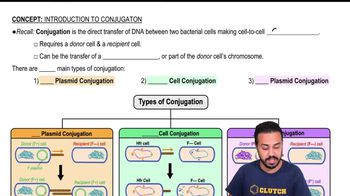
  • Introduction to Conjugation
    04:21

Conjugation: F Plasmids

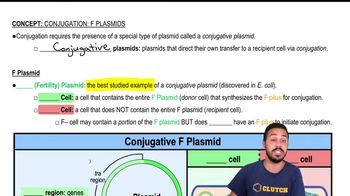
  • F Plasmids
    05:57
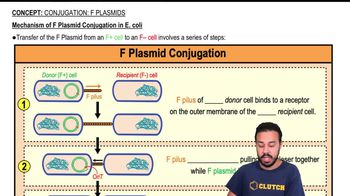
  • Mechanism of F Plasmid Conjugation in E. coli
    04:12

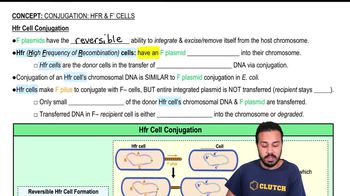
Conjugation: Hfr & F' Cells

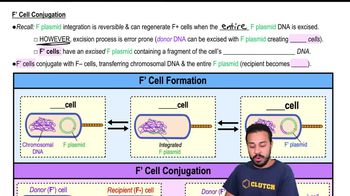
  • F’ Cell Conjugation
    04:31
  • Hfr Cell Conjugation
    09:41

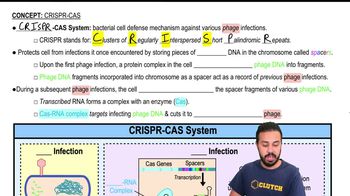
CRISPR CAS

  • CRISPR CAS
    07:43

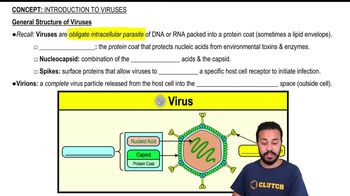
Introduction to Viruses

  • General Structure of Viruses
    04:47
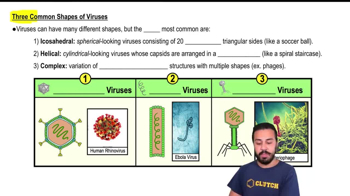
  • Three Common Shapes of Viruses
    03:19
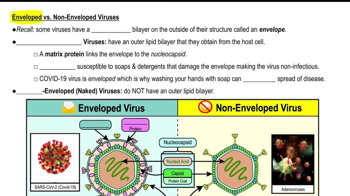
  • Enveloped vs. Non-Enveloped Viruses
    05:09

Introduction to Bacteriophage Infections

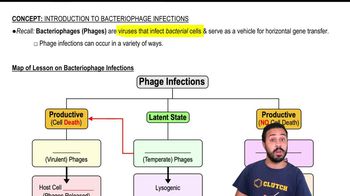
  • Map of Lesson on Bacteriophage Infections
    03:52
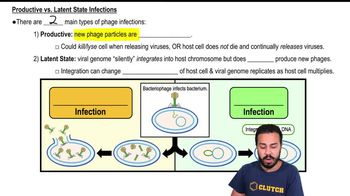
  • Productive vs. Latent State Infections
    04:09
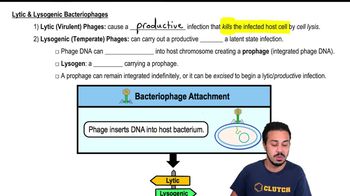
  • Lytic & Lysogenic Bacteriophages
    04:34

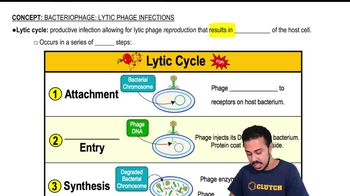
Bacteriophage: Lytic Phage Infections

  • Bacteriophage: Lytic Phage Infections
    04:58

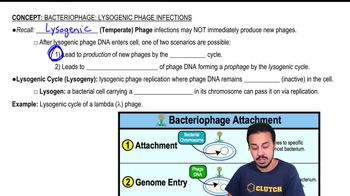
Bacteriophage: Lysogenic Phage Infections

  • Bacteriophage: Lysogenic Phage Infections
    05:27
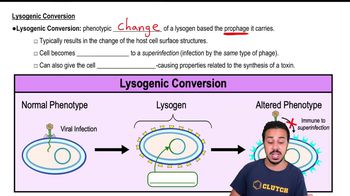
  • Lysogenic Conversion
    03:37

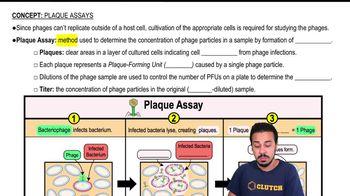
Plaque Assays

  • Plaque Assays
    04:21