 뒤로
Ch 12 The Eukaryotes: Fungi, Algae, Protozoa, and Helminths – Structured Study Notes
스터디 가이드 - 스마트 노트
 자료에 맞춘 맞춤형 노트, 핵심 정의, 예시, 맥락을 확장해 제공합니다.
The Eukaryotes: Fungi, Algae, Protozoa, and Helminths
Overview of Eukaryotic Pathogens
Eukaryotic microorganisms play a significant role in human health, agriculture, and ecology. Over half of the world's population is infected with eukaryotic pathogens, and several parasitic diseases are among the leading causes of microbial death globally. This chapter explores the structural, functional, and clinical aspects of fungi, algae, protozoa, helminths, and arthropods.
Fungi
Growth Requirements of Fungi
Fungi are chemoheterotrophs, requiring organic compounds for both energy and carbon. They thrive in acidic environments (pH ~5), grow better with less moisture than bacteria, and resist osmotic pressure. Most fungi are aerobic, but yeasts are facultative anaerobes, capable of producing alcohol under anaerobic conditions. Fungi can metabolize complex carbohydrates, making them ecologically versatile.
Structural and Functional Anatomy of Fungi
Fungi are classified based on their morphology:
Molds: Multicellular, filamentous organisms with a thallus composed of hyphae.
Yeasts: Unicellular, non-filamentous, oval-shaped cells.
Fleshy fungi: Mushrooms and similar structures.
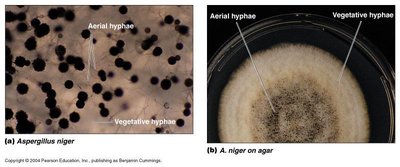
Hyphae are the fundamental structural units of molds. They can be septate (with crosswalls) or coenocytic (without crosswalls). Vegetative hyphae absorb nutrients, while reproductive hyphae support spore formation. A mass of hyphae forms a mycelium.
Mold Reproductive Structures
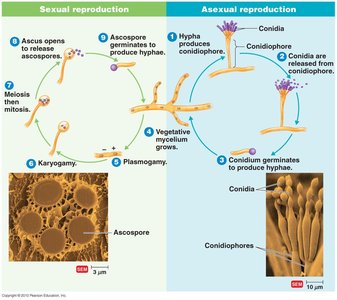
Fungi reproduce via spores, which can be asexual or sexual:
Asexual spores: Produced by a single organism, genetically identical to the parent. Types include:
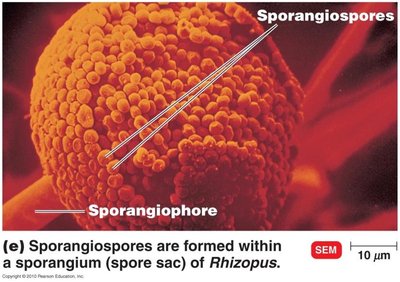
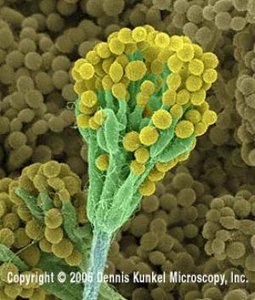
Sporangiospores: Enclosed in a sac (sporangium), as seen in Rhizopus.
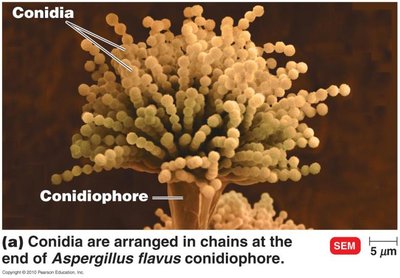
Conidiospores: Produced in chains at the end of hyphae, as seen in Aspergillus.
Sexual spores: Result from the fusion of nuclei from two mating strains, combining genetic material from both parents.
Importance of Molds
Molds have significant agricultural, biotechnological, and ecological impacts:
Agricultural effects: Responsible for diseases such as chestnut blight and Dutch Elm disease.
Biotechnology: Production of antibiotics (e.g., penicillin) and anticancer drugs (e.g., taxol).
Food: Used in food production and spoilage.
Ecological benefits: Decomposition and nutrient cycling.


Classification of Mycoses
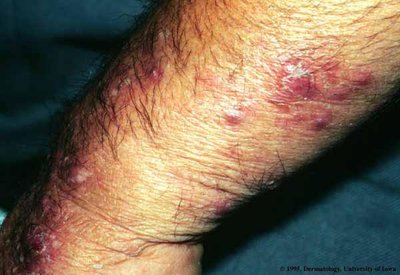
Mycoses are fungal diseases classified by tissue involvement and mode of entry:
Superficial: Affect hair shafts and epidermal cells, common in tropical climates.
Subcutaneous: Result from direct implantation into puncture wounds, often soil-borne. Example: Sporotrichosis.
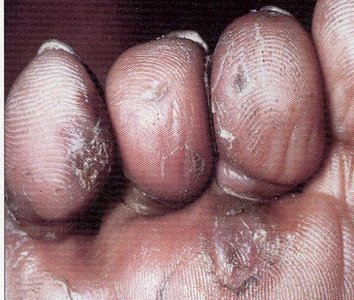
Cutaneous: Affect epidermis, hair, and nails; caused by dermatophytes that secrete keratinase. Examples: ringworm, athlete’s foot.
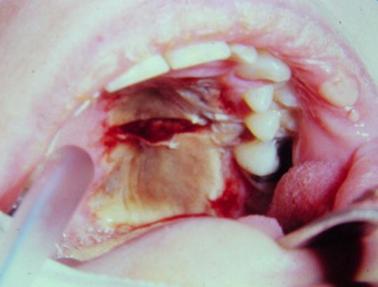
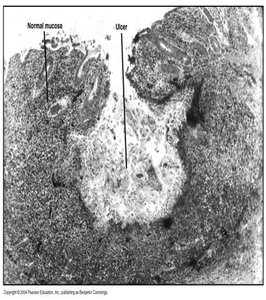
Opportunistic: Caused by normal flora in immunocompromised hosts. Examples: Pneumocystis carinii (AIDS indicator), Aspergillosis.
Systemic: Deep tissue infections, often soil-borne and transmitted by inhalation. Example: Histoplasmosis.

Yeasts
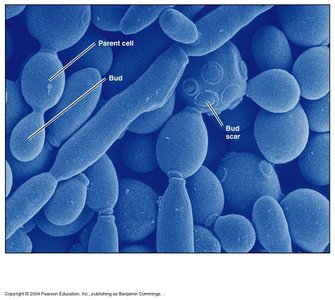
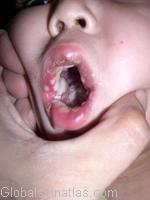
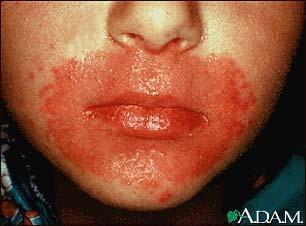
Yeasts are unicellular, non-filamentous fungi that reproduce by budding. They are larger than bacteria and can grow aerobically or anaerobically. Yeasts are important in food spoilage, fermentation (e.g., Saccharomyces cerevisiae), biotechnology (e.g., hepatitis B vaccine), and opportunistic diseases such as candidiasis.
Algae
Characteristics and Types of Algae
Algae are simple, photoautotrophic eukaryotes, either unicellular or multicellular. They are crucial in aquatic food chains and produce most of the atmospheric oxygen via photosynthesis. Types include:
Brown algae: Kelp, produces algin used in food and industry.
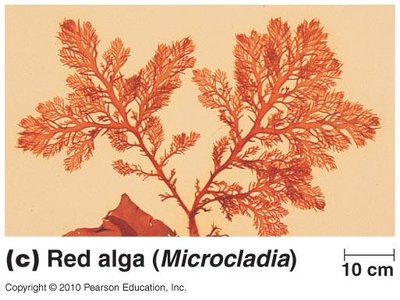
Red algae: Source of agar and some toxins.
Green algae: Most similar to plants, with cellulose walls.
Pathogenic Algae
Some algae produce toxins that cause disease:
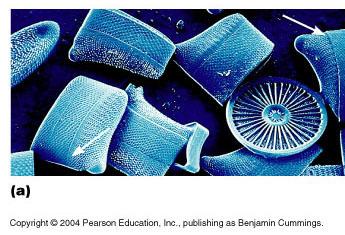
Diatoms: Produce domoic acid, causing neurological disease.
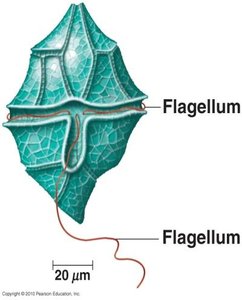
Dinoflagellates: Produce neurotoxins (e.g., saxitoxins) leading to paralytic shellfish poisoning and red tides.
Protozoa
General Characteristics
Protozoa are single-celled chemoheterotrophs found in water and soil. Some are part of normal animal flora, while others are medically important parasites. Many protozoa form cysts for protection.
Groups of Protozoans
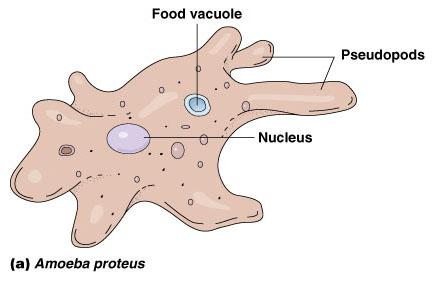
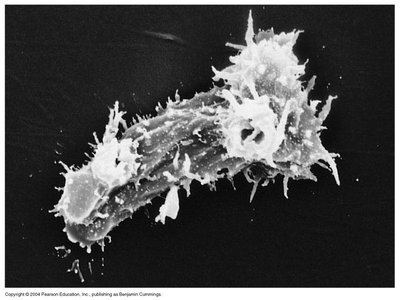
Amoebozoa: Move via pseudopods. Example: Entamoeba histolytica causes amoebic dysentery.
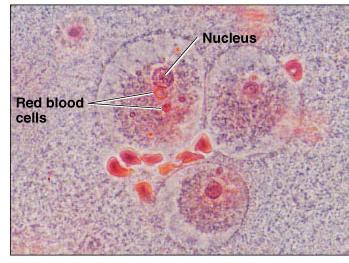
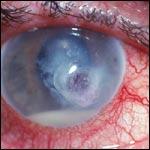
Other Amoebozoa: Balamuthia (brain abscesses), Acanthamoeba (corneal infections).
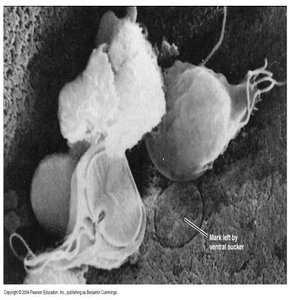
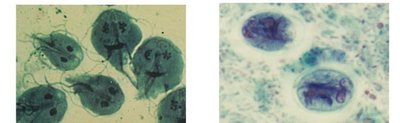
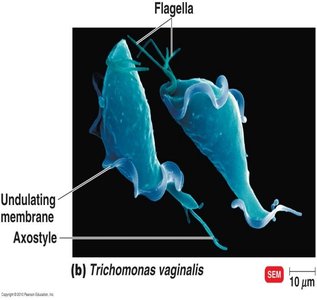
Archaezoa: Move via flagella and undulating membranes. Examples: Giardia lamblia (prolonged diarrhea), Trichomonas vaginalis (urinary/genital infections).
Helminths
General Characteristics
Helminths are multicellular worms with reduced organ systems in parasitic forms. They include flatworms (trematodes and cestodes) and roundworms (nematodes).
Trematodes (flukes): Named by their location (liver, lung, blood).
Cestodes (tapeworms): Intestinal parasites, e.g., Taenia saginata (beef tapeworm), Taenia solium (pork tapeworm), Diphyllobothrium latum (fish tapeworm).
Hydatid disease: Caused by Echinococcus granulosus, forms cysts in tissues.
Nematodes (roundworms): Examples: Enterobius vermicularis (pinworm), Ascaris lumbricoides, Necator americanus (hookworm), Trichinella spiralis.
Arthropods
Role in Disease Transmission
Arthropods are joint-legged animals that act as vectors for disease-causing microorganisms. Control or eradication of vectors is crucial for preventing vector-borne diseases such as malaria, Lyme disease, and West Nile virus.
Recap
This chapter covered the growth requirements, structural anatomy, and clinical significance of fungi, the classification of mycoses, the diversity and pathogenicity of algae, the groups and diseases caused by protozoa, the biology of helminths, and the role of arthropods in disease transmission.
