 뒤로
Yeasts and Fungal Growth: Microbiology Lab Study Guide
스터디 가이드 - 스마트 노트
 자료에 맞춘 맞춤형 노트, 핵심 정의, 예시, 맥락을 확장해 제공합니다.
Fungi: Introduction and Classification
Mycology and Mycoses
The study of fungi is known as mycology, and diseases caused by fungi are termed mycoses. Fungi are a diverse group of eukaryotic organisms that play important roles in both environmental and clinical microbiology.
Yeasts: Microscopic, unicellular fungi.
Molds: Multinucleated, filamentous fungi (including mildew and molds).
Fungal Nutrition and Metabolism
All fungi are chemoheterotrophs, requiring organic compounds for both energy and carbon sources. Most fungi are saprophytes, living off decaying organic material, while some are parasites, obtaining nutrients from living plants or animals.
Yeasts: Facultative anaerobes capable of both aerobic cellular respiration and fermentation.
Saprophytic fungi: Obtain nutrition from dead organic matter.
Parasitic fungi: Obtain nutrition from living hosts.
Yeasts: Structure, Division, and Pathogenesis
Yeast Morphology and Division
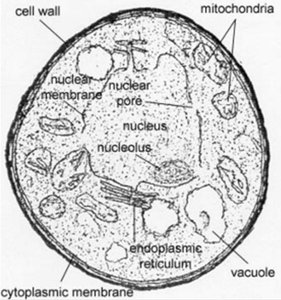
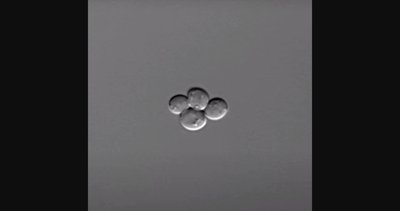
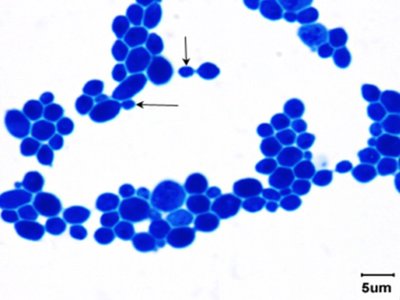
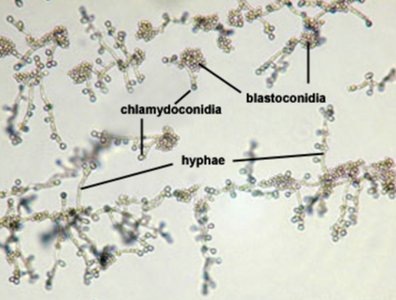
Yeasts are unicellular, oval or spherical fungi that divide through a process called budding. During budding, a new daughter cell forms from the mother cell, sometimes remaining attached to form fragile branching filaments called hyphae.
Budding: Asexual reproduction in yeasts.
Hyphae: Branching filaments that may help yeasts invade deeper tissues after colonizing the epithelium.
Example: Saccharomyces cerevisiae and Candida albicans are common yeast species studied in microbiology labs.
Yeast Pathogenesis and Specialized Structures
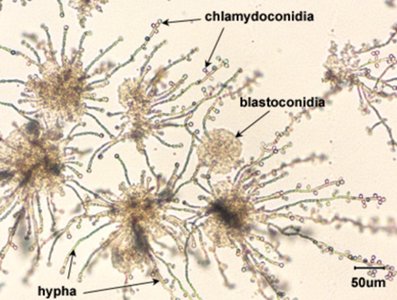
Some yeasts, such as Candida albicans, can switch from a yeast form to a filamentous form, aiding in tissue invasion. Yeasts may produce specialized asexual spores:
Blastoconidia (blastospores): Asexual spores that develop in clusters along hyphae, often at branching points.
Chlamydoconidia (chlamydospores): Thick-walled survival spores formed at hyphal tips under certain conditions.
Growing Yeasts: Media and Laboratory Techniques
Yeast Colony Morphology
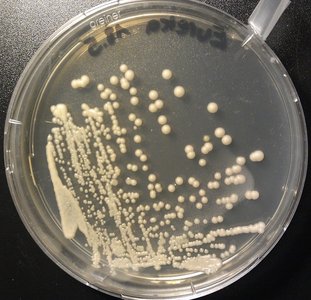
Due to their unicellular and microscopic nature, yeast colonies appear similar to bacterial colonies on solid media. Yeasts can grow on general media such as Trypticase Soy Agar (TSA), but specialized media are often used to promote fungal growth and inhibit bacteria.
Selective and Differential Media for Yeast Growth
Different media are used to selectively grow and identify yeasts:
Saboraud Dextrose Agar (SDA): Contains higher sugar concentration and lower pH than TSA, inhibiting bacterial growth and promoting fungal growth. SDA is selective for fungi.
Mycosel Agar: Contains chloramphenicol (inhibits bacteria) and cycloheximide (inhibits most saprophytic fungi), making it selective for pathogenic fungi.
Rice Extract Agar: Stimulates formation of hyphae, blastoconidia, and chlamydoconidia in pathogenic yeasts such as Candida albicans.
Laboratory Procedures for Yeast Cultivation
Standard procedures involve inoculating different media with yeast and bacterial cultures, incubating at appropriate temperatures, and observing colony morphology and microscopic features.
Divide agar plates into sections for different organisms.
Inoculate with Candida albicans, Saccharomyces cerevisiae, and Staphylococcus epidermidis.
Incubate at 37°C or room temperature as required.
Use Rice Extract Agar to stimulate hyphal and spore formation in Candida albicans.


Yeast Structures: Table of Key Features
The following table summarizes the main structures and spores found in yeasts:
Structure | Description | Function |
|---|---|---|
Budding | Asexual division process | Reproduction |
Hyphae | Branching filaments | Tissue invasion, structural support |
Blastoconidia | Asexual spores in clusters | Dispersal, reproduction |
Chlamydoconidia | Thick-walled survival spores | Survival under adverse conditions |
Summary of Key Concepts
Mycology is the study of fungi; mycoses are fungal diseases.
Fungi are eukaryotic, including yeasts (unicellular) and molds (filamentous).
Yeasts divide by budding and may form hyphae for tissue invasion.
Blastoconidia and chlamydoconidia are specialized spores for reproduction and survival.
Selective media such as SDA, Mycosel, and Rice Extract Agar are used for yeast cultivation and identification.
Additional info: Yeasts are important in both clinical and industrial microbiology, with Saccharomyces cerevisiae used in baking and brewing, and Candida albicans being a common human pathogen.
