Ch. 20 - Antimicrobial Drugs
Tortora - Microbiology: An Introduction 14th Edition
Tortora14th EditionMicrobiology: An IntroductionISBN: 9780138200398당신이 사용하는 게 아니라요?교과서 변경
16장, 문제 2

All of the following are modes of action of antiviral drugs except:
a. Inhibition of protein synthesis at 70S ribosomes
b. Inhibition of DNA synthesis
c. Inhibition of RNA synthesis
d. Inhibition of uncoating
e. All of the above are modes of action of antiviral drugs

검증된 단계별 안내
1
Step 1: Understand the context of antiviral drug action. Antiviral drugs target specific stages in the viral life cycle to prevent virus replication without harming the host cells significantly.
Step 2: Review common modes of action of antiviral drugs, which include inhibition of viral DNA synthesis, inhibition of viral RNA synthesis, and inhibition of viral uncoating processes.
Step 3: Analyze the option related to inhibition of protein synthesis at 70S ribosomes. Recall that 70S ribosomes are found in prokaryotes (bacteria), not in eukaryotic cells or viruses, which rely on host cell machinery (80S ribosomes) for protein synthesis.
Step 4: Conclude that since viruses use the host's 80S ribosomes for protein synthesis, antiviral drugs do not target 70S ribosomes, making this option inconsistent with known antiviral mechanisms.
Step 5: Therefore, identify the option that does not represent a mode of action of antiviral drugs by excluding the inhibition of protein synthesis at 70S ribosomes.

비슷한 문제에 대한 검증된 영상 답변:

이 영상 해법은 위 문제에 도움이 된다고 튜터들이 추천한 것입니다.
영상 길이:
2m

주요 개념

질문에 올바르게 답하기 위해 반드시 이해해야 하는 핵심 개념들은 다음과 같습니다.

Antiviral Drug Mechanisms

Antiviral drugs target specific stages of the viral life cycle to inhibit replication. Common mechanisms include blocking viral DNA or RNA synthesis, preventing viral entry or uncoating, and inhibiting viral enzymes essential for replication.
추천 영상:
01:59
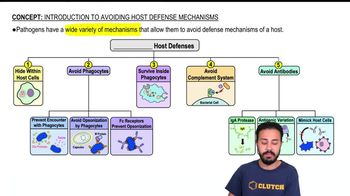
Introduction to Avoiding Host Defense Mechanisms

Protein Synthesis in Viruses vs. Bacteria

Viruses rely on host cell machinery for protein synthesis and do not have their own ribosomes. In contrast, bacteria have 70S ribosomes, which are targets for some antibiotics but not antiviral drugs, making inhibition of 70S ribosomes irrelevant for antiviral action.
추천 영상:
04:26
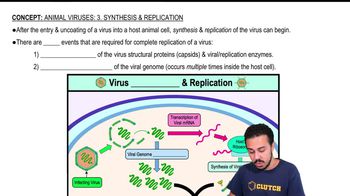
Animal Viruses: 3. Synthesis & Replication

Viral Uncoating Process

Uncoating is the step where the viral capsid is removed to release viral genetic material inside the host cell. Some antiviral drugs inhibit this process, preventing the virus from replicating by blocking access to its genome.
추천 영상:
04:19
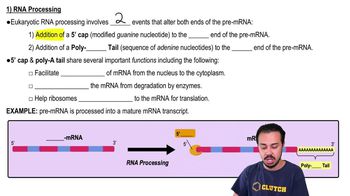
1) RNA Processing