 뒤로
Alcohol: Nutrition, Metabolism, and Health Effects
스터디 가이드 - 스마트 노트
 자료에 맞춘 맞춤형 노트, 핵심 정의, 예시, 맥락을 확장해 제공합니다.
Alcohol in Nutrition
Definition and Types of Alcohol
Alcohol is a group of organic chemicals characterized by one or more hydroxyl (OH) groups attached to carbon atoms. The most common alcohol in nutrition is ethanol, which is found in alcoholic beverages and considered safe for consumption in moderation. Other types include glycerol (backbone of triglycerides) and methanol (used in industrial compounds, poisonous).
Ethanol: The form of alcohol found in alcoholic beverages.
Glycerol: Makes up the backbone of triglycerides in food and the body.
Methanol: Used in industrial compounds such as antifreeze; toxic to humans.
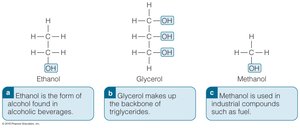
Production of Alcohol
Alcohol is produced through fermentation and distillation.
Fermentation: Yeast metabolizes sugars (glucose, maltose, fructose) in grains and fruits, producing ethanol and carbon dioxide. Examples: wine (from grapes), beer (from barley).
Distillation: Fermented liquid is heated, ethanol vaporizes, and vapors are collected to form liquor. Alcohol content is measured by "proof" (e.g., 80 proof = 40% alcohol).
Alcohol Consumption and Standard Drinks
Reasons for Drinking Alcohol
Alcohol is not required for survival and provides minimal nutrition aside from kilocalories. People drink for social, ceremonial, traditional, and relaxation purposes. Historically, alcoholic beverages were safer than water.
Social bonding, celebration, and advertising influence beverage choices.
Standard Drink and Moderate Drinking
Moderate drinking is defined as the amount that puts individuals at the lowest risk for alcohol-related problems.
Males: Up to two drinks per day
Females: Up to one drink per day
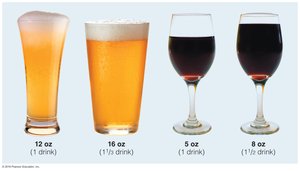
Standard drink: 12 oz beer, 5 oz wine, 1.5 oz liquor
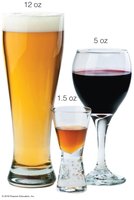
Drink Size Matters
The size and alcohol content of beverages affect the number of standard drinks consumed.
Examples: 16 oz beer = 1.5 drinks, 8 oz wine = 1.5 drinks
Absorption, Circulation, and Metabolism of Alcohol
Absorption
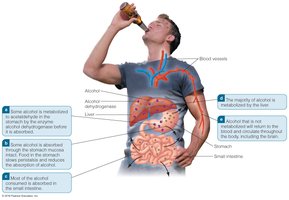
Alcohol is absorbed in the stomach and small intestine by simple diffusion, without digestion. Most absorption occurs in the duodenum.
Food in the stomach slows absorption; fat slows peristalsis, carbohydrates slow absorption through the stomach lining.
Metabolism
Alcohol is metabolized in the stomach and liver.
Alcohol dehydrogenase pathway: Alcohol dehydrogenase converts ethanol to acetaldehyde; acetaldehyde dehydrogenase converts acetaldehyde to acetate, which is used for energy or stored as fat.
Microsomal ethanol oxidizing system (MEOS): Used when alcohol intake is high; metabolizes drugs and foreign compounds. Chronic alcohol use increases MEOS activity, leading to tolerance.
Circulation
Alcohol circulates in the blood if not metabolized quickly.
The liver metabolizes 95% of alcohol; 5% is excreted via lungs, skin, and kidneys.
Blood alcohol concentration (BAC): Measured in grams per deciliter; correlates with amount expelled through lungs.
Factors Affecting Blood Alcohol Levels
Gender: Women have less alcohol dehydrogenase and body water, feel effects sooner.
Genetics: Genetic polymorphisms affect alcohol metabolism.
Ethnicity: Some ethnic groups metabolize alcohol differently.
Short-Term Effects of Alcohol Consumption
Immediate Effects
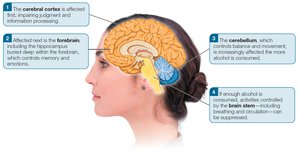
Alcohol is a depressant of the central nervous system, affecting communication between neurons.
Cerebral cortex: Increased talkativeness, confidence
Hippocampus: Impaired memory, blackouts
Cerebellum: Loss of motor control
Brain stem: Impaired breathing and heart rate
Other Short-Term Effects
Alcohol poisoning: High BAC depresses physiological functions
Unintentional injuries: Increased risk among college-aged students
Sleep disruption: Alcohol disrupts sleep cycles
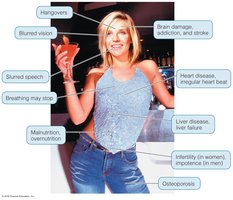
Hangovers: Caused by acetaldehyde, dehydration, electrolyte imbalances, and congeners
Long-Term Effects of Alcohol Consumption
Impaired Digestion and Nutrient Metabolism
Chronic alcohol use decreases digestive enzyme secretion, interferes with fat digestion and vitamin transport, damages intestinal lining, and can cause pancreatitis and gastritis.
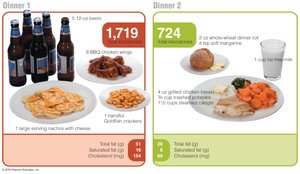
Malnutrition and Weight Gain
Primary malnutrition: Poor dietary choices due to alcohol consumption
Secondary malnutrition: Alcohol interferes with nutrient absorption
Wernicke–Korsakoff syndrome: Thiamine deficiency causing mental confusion and muscle issues
Weight gain: Alcohol provides 7 kcal/g; effect on weight varies
Hormonal Effects
Alcohol interferes with insulin, glucagon, parathyroid hormone, estrogen, and reproductive hormones, leading to hypoglycemia, bone issues, increased breast cancer risk, and sexual dysfunction.
Liver Disease
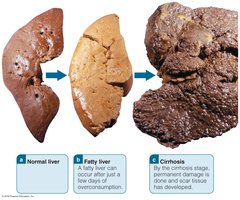
Alcohol causes progressive liver damage:
Stage 1: Fatty liver (fat accumulation)
Stage 2: Alcoholic hepatitis (inflammation)
Stage 3: Cirrhosis (cell death, scar tissue, loss of function)
Depression and Cardiovascular Disease
Excessive alcohol use can lead to depression and is associated with cardiovascular disease.
Moderate intake may be cardioprotective, but more than three drinks per day increases risk of arrhythmia, myopathy, cholesterol synthesis, and blood pressure.
Cancer Risk
Alcohol increases risk of cancers of the mouth, esophagus, liver, colon, rectum, and breast.
Pregnancy Risks
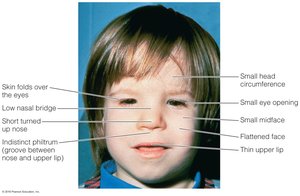
Drinking during pregnancy can cause fetal alcohol spectrum disorders (FASDs), including physical, mental, and behavioral abnormalities.
Fetal alcohol syndrome: Characterized by distinct facial features and developmental issues
Health Benefits of Moderate Alcohol Consumption
Potential Benefits
Moderate alcohol consumption (1-2 drinks/day) may promote heart health, reduce oxidized LDL, inhibit platelet stickiness, increase HDL, reduce inflammation, and lower blood pressure. Benefits are most evident in males >45 years and females >55 years.
May reduce risk of type 2 diabetes by increasing insulin sensitivity
Associated with longevity, especially with wine and dark beer
Blood Alcohol Concentration Tables
Purpose
These tables classify blood alcohol concentration (BAC) levels for men and women, indicating impairment and legal intoxication.
Gender | BAC (%) | Condition |
|---|---|---|
Women | Varies by weight and drinks | Impaired, legal intoxication |
Men | Varies by weight and drinks | Impaired, legal intoxication |
Additional info: BAC is measured as grams of alcohol per deciliter of blood; legal intoxication is typically 0.08% BAC.
