뒤로
뒤로Carbohydrates: Structure, Digestion, Physiology, and Health Effects
스터디 가이드 - 스마트 노트
 자료에 맞춘 맞춤형 노트, 핵심 정의, 예시, 맥락을 확장해 제공합니다.
Carbohydrates
Overview
Carbohydrates are a major class of macronutrients essential for energy production, cellular structure, and overall health. They are found in a wide variety of foods and exist in several structural forms, each with distinct physiological roles.
Chemical Structure of Carbohydrates
Carbohydrates are organic molecules composed of carbon, hydrogen, and oxygen, typically with the formula Cn(H2O)n. They are classified based on the number of sugar units present.
Monosaccharides: Single sugar units (e.g., glucose, fructose, galactose).
Disaccharides: Two monosaccharides linked together (e.g., sucrose, lactose, maltose).
Oligosaccharides: Chains of 2–10 monosaccharides, often resistant to hydrolysis.
Polysaccharides: Chains of more than 10 monosaccharides (e.g., glycogen, starch, fiber).
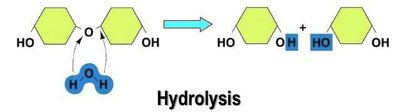
Chemical Reactions: Hydrolysis and Dehydration Synthesis
Carbohydrates undergo two key reactions in the body:
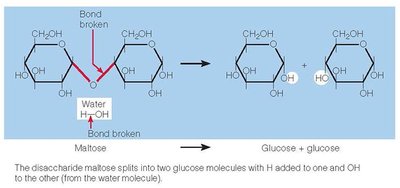
Hydrolysis: The breakdown of larger carbohydrate molecules into smaller units by the addition of water and enzymes. This process is essential for digestion and absorption.
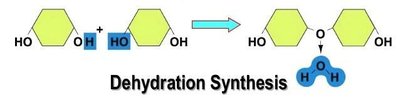
Dehydration Synthesis (Condensation): The formation of larger carbohydrate molecules from smaller units by the removal of water, facilitated by enzymes. This process is important for the synthesis of storage and structural carbohydrates.
Classification of Dietary Carbohydrates
Carbohydrates are classified as simple or complex based on their structure:
Simple Carbohydrates: Monosaccharides and disaccharides, which are quickly absorbed and provide rapid energy.
Complex Carbohydrates: Oligosaccharides and polysaccharides, which are digested more slowly and provide sustained energy.
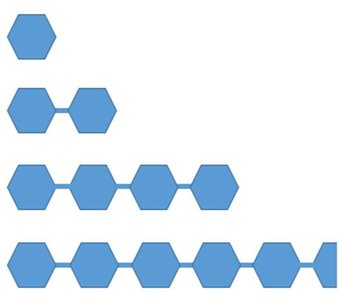
Monosaccharides and Disaccharides
Glucose: The primary energy source for cells; found in every disaccharide.
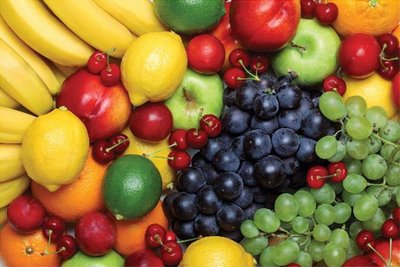
Fructose: The sweetest sugar, found in fruits.
Galactose: Found in dairy products as part of lactose.
Maltose: Two glucose units; found in barley and produced during starch breakdown.
Sucrose: Glucose + fructose; common table sugar.
Lactose: Glucose + galactose; the main sugar in milk.
Polysaccharides
Polysaccharides are long chains of monosaccharides and serve as energy storage or structural components:
Glycogen: Storage form of glucose in animals; highly branched and stored in liver and muscle.
Starch: Storage form of glucose in plants; found in grains, legumes, and tubers.
Fiber: Structural component in plants; not digestible by human enzymes but important for gut health.
Digestion and Absorption of Carbohydrates
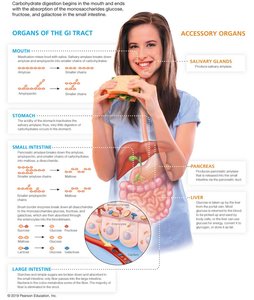
The goal of carbohydrate digestion is to break down polysaccharides and disaccharides into monosaccharides for absorption.
Begins in the mouth with salivary amylase.
Stomach acid inactivates amylase; fiber delays gastric emptying.
Pancreatic amylase and brush border enzymes (maltase, sucrase, lactase) in the small intestine complete digestion.
Undigested carbohydrates reach the large intestine, where bacteria ferment soluble fibers, producing gases and short-chain fatty acids.
Monosaccharide Absorption
Glucose and Galactose: Absorbed via active transport (SGLT1) and transported into circulation by GLUT2.
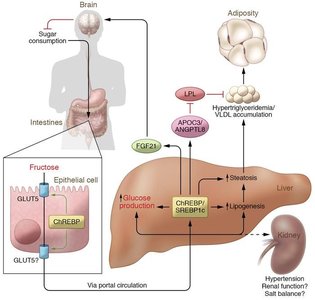
Fructose: Absorbed by facilitated diffusion (GLUT5); converted in the liver for energy or fat storage.
Lactose Intolerance and Milk Allergy
Lactose Intolerance: Inability to digest lactose due to reduced lactase enzyme; leads to gas, bloating, and diarrhea.
Milk Allergy: Immune reaction to milk proteins, distinct from lactose intolerance.
Physiology: Maintaining Blood Glucose
Blood glucose homeostasis is tightly regulated by hormones:
Insulin: Promotes glucose uptake by cells (GLUT4) and storage as glycogen.
Glucagon: Stimulates glycogen breakdown and gluconeogenesis in the liver during fasting.
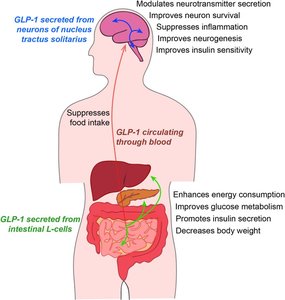
Incretins (GLP-1): Enhance insulin secretion, reduce appetite, and lower blood glucose.
Glucose Utilization in the Body
The brain and red blood cells rely almost exclusively on glucose for energy.
Muscles store glycogen for use during exercise.
Excess glucose can be converted to fat via lipogenesis.
Gluconeogenesis and Ketogenesis
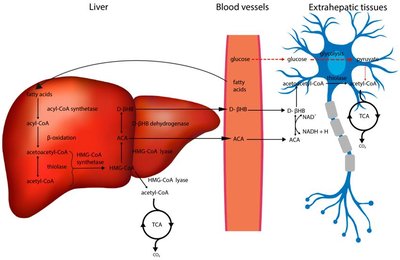
Gluconeogenesis: The synthesis of glucose from non-carbohydrate sources (e.g., amino acids) in the liver.
Ketogenesis: The production of ketone bodies from fatty acids during prolonged fasting or low carbohydrate intake.
Fate of Fructose
Fructose is absorbed and metabolized primarily in the liver, where it can be used for energy or converted to triglycerides. High fructose intake is associated with increased appetite and fat storage.
Knowledge Check: Glucose Utilization
Function | Process/Location |
|---|---|
Storing glucose as glycogen | Condensation/Dehydration synthesis |
Preferred source for brain, nerve cells | Glucose |
Breaking down glycogen into glucose | Hydrolysis |
Stores one-third of glycogen | Liver |
Making glucose from amino acids | Gluconeogenesis |
Pathophysiology: Diabetes Mellitus
Diabetes mellitus is characterized by chronic hyperglycemia due to defects in insulin production or action.
Type 1 Diabetes: Autoimmune destruction of pancreatic beta cells; requires insulin therapy.
Type 2 Diabetes: Insulin resistance and/or impaired insulin secretion; associated with obesity and lifestyle factors.
Diagnostic Criteria:
Normal fasting glucose: 70–99 mg/dL
Prediabetes: 100–125 mg/dL
Diabetes: >126 mg/dL
Risk Factors: Genetics, obesity, low physical activity, poor diet, ethnicity.
Treatments: Diabetes Mellitus
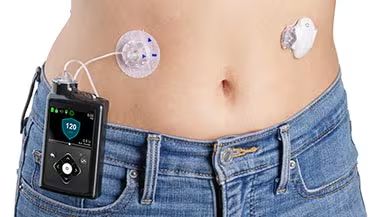
Type 1: Insulin injections or infusion; careful monitoring of blood glucose.
Type 2: Lifestyle modification, oral medications (e.g., metformin, SGLT2 inhibitors, GLP-1 agonists).
Recommended Intakes and Health Effects
Total Carbohydrates: EAR = 130 g/day (minimum for brain); AMDR = 45–65% of total kcal/day.
Fiber: AI = 25 g/day (females), 38 g/day (males).
Added Sugars: Limit to <10% of total kcal/day.
Carbohydrates: Added Sugars
Sources include sucrose, corn syrup, honey, and fructose.
1 tsp sugar = 4 g carbohydrate ≈ 16 kcal.
Artificial sweeteners are non-nutritive and do not contribute to dental caries.
Nutritive sweeteners (e.g., aspartame, Stevia, sugar alcohols) provide energy but may cause GI distress in excess.
Soluble vs Insoluble Fiber
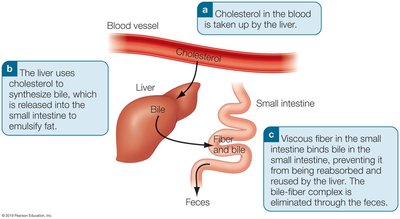
Soluble Fiber: Viscous, fermentable; lowers cholesterol, increases satiety, slows glucose absorption. Found in oats, fruits, legumes.
Insoluble Fiber: Non-viscous, less fermentable; increases stool bulk, prevents constipation, lowers colon cancer risk. Found in whole grains, vegetables.
Health Effects of Fiber
Reduces risk of heart disease, diabetes, and colon cancer.
Improves gut health and regularity.
Excessive intake (>40 g/day) may cause GI discomfort and nutrient malabsorption.
Mechanism: Fiber and Cholesterol
Soluble fiber binds bile acids in the intestine, preventing their reabsorption and promoting excretion. This forces the liver to use cholesterol to synthesize new bile acids, thereby lowering blood cholesterol levels.