 뒤로
Fluid, Electrolyte, and Alcohol Balance: Key Concepts in Nutrition
스터디 가이드 - 스마트 노트
 자료에 맞춘 맞춤형 노트, 핵심 정의, 예시, 맥락을 확장해 제공합니다.
Water and Minerals
Functions and Importance of Water
Water is essential for life, playing a critical role in fluid and electrolyte balance, metabolic reactions, and temperature regulation. Without adequate water, survival is impossible.
Fluid and Electrolyte Balance: Water helps maintain the balance of fluids and electrolytes in the body, which is vital for cellular function.
Metabolic Reactions: Water is required for many biochemical reactions, including those involved in energy production and waste removal.
Temperature Regulation: Water aids in dissipating heat through sweat and respiration.
Recommended Intake and Sources
Fluid requirements vary based on environment, activity level, and biological sex. The Dietary Reference Intake (DRI) for water is:
Adult men (19–50 years): 3.7 L/day
Adult women (19–50 years): 2.7 L/day
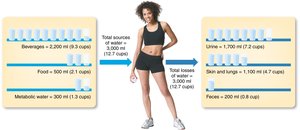
Water comes from beverages, food, and metabolic processes. The U.S. EPA regulates public water systems, while bottled water is monitored by the FDA. Bottled water may lack fluoride and can contain additives.
Types of Water
Hard Water: High in minerals (calcium, magnesium, iron); poses no risk to healthy people.
Soft Water: Lower mineral content; may be naturally occurring or treated.
Private Well Water: Can contain heavy metals, industrial wastes, microorganisms, and little fluoride.
Nutritional Quality of Common Beverages
Milk: Provides protein, calcium, phosphorus, vitamin D, and vitamin A. Some brands add calcium, vitamin E, essential fatty acids, and plant sterols.
Kefir: A yogurt drink rich in nutrients.
Calcium-fortified Soy Milk: Comparable to milk in protein and calcium; often fortified with vitamin D.
Plant-based Milks: Can be low in protein; coconut milk is high in calories; check for added sugars.
Caffeinated Beverages: Moderate consumption is safe; coffee and tea contain phytochemicals linked to reduced risk of chronic diseases.
Soft Drinks and Specialty Waters: Often high in added sugars and calories; health claims are not research-based.
Energy Drinks: High in caffeine and sugar; can cause health risks, especially in children and adolescents.
Major Minerals in Hydration and Neuromuscular Function
Sodium
Sodium is a major extracellular electrolyte, crucial for fluid balance, blood pressure regulation, and nerve impulse transmission.
Recommended Intake: 1.5 g/day required; no more than 2.3 g/day recommended.
Sources: Processed and restaurant foods are high in sodium.
Excess: Hypernatremia can cause high blood volume, edema, and hypertension.
Deficiency: Hyponatremia is rare but can occur with excessive water intake and loss of sodium.
Potassium
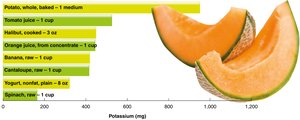
Potassium is a major intracellular electrolyte, important for fluid balance, muscle contraction, and nerve transmission.
Recommended Intake: Males: 3.4 g/day; Females: 2.6 g/day.
Sources: Fresh fruits, vegetables, whole grains, dairy foods.
Excess: Hyperkalemia can cause heart rhythm disturbances.
Deficiency: Hypokalemia is rare but can occur with certain medications or conditions.
Chloride
Chloride is a major extracellular anion, assisting in fluid balance, immune function, and as a component of stomach acid (HCl).
Recommended Intake: Minimum 2.3 g/day.
Excess: May lead to hypertension in salt-sensitive individuals.
Deficiency: Rare, but can occur with severe dehydration and vomiting.
Phosphorus
Phosphorus is a major intracellular anion, essential for fluid balance, energy production (ATP), bone formation, and regulation of biochemical pathways.
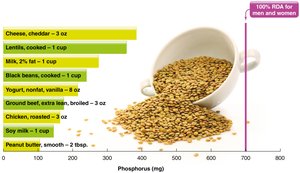
Recommended Intake: 700 mg/day (RDA).
Sources: Protein-rich foods (meat, milk, eggs, beans); more readily absorbed from animal sources.
Excess: Can cause muscle spasms and convulsions, especially in kidney disease.
Deficiency: Rare, but possible with poor diet or vitamin D deficiency.
Fluid and Electrolyte Balance Disorders
Dehydration
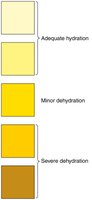
Dehydration occurs when water loss exceeds intake, often due to exercise, heat, illness, or diuretic use.
Risk Groups: Infants and elderly are at higher risk.
Causes: Diarrhea, vomiting, fever, burns, diabetes, diuretic/laxative abuse.
Classification: Based on percentage of weight loss due to fluid loss.
Overhydration
Water intoxication is rare and usually occurs in individuals with kidney disorders or after excessive water intake.
Symptoms: Can be fatal; causes electrolyte imbalances.
Heat Illnesses Linked to Dehydration
Heat Cramps: Painful muscle spasms during vigorous activity in heat.
Heat Exhaustion: Weakness, vomiting, dizziness, elevated blood pressure and pulse; requires prompt treatment.
Heatstroke: Failure of temperature regulation; rapid pulse, hot/dry skin, high body temperature; can be fatal.
Alcohol: Nutrition and Health Effects
What is Alcohol?
Alcohol is a chemical compound similar to carbohydrates. Ethanol is the type found in alcoholic beverages. Alcohol is produced by fermentation of sugars by yeast.
Sources: Beer, wine, spirits; made from grains, fruits, vegetables.

Alcohol Metabolism
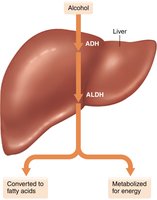
Alcohol does not require digestion and is absorbed directly from the stomach and small intestine.
Enzymes: Alcohol dehydrogenase (ADH) and aldehyde dehydrogenase (ALDH) are involved in breakdown.
Metabolism Rate: Average adult metabolizes one drink per hour.
Factors: Food slows absorption; females have less active ADH in the stomach.
Blood Alcohol Concentration (BAC) and Impairment
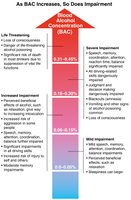
BAC increases with alcohol intake, leading to progressive impairment and risk of life-threatening effects.
Impairment: Includes reduced brain function, loss of coordination, and risk of alcohol poisoning.
Alcohol Use Disorders (AUD)
Alcohol Abuse: Pattern of consumption causing harm or distress; includes binge drinking.
Alcohol Dependence (Alcoholism): Characterized by craving, loss of control, physical dependence, and tolerance.
Effects of Alcohol Abuse
Hangover: Headache, fatigue, nausea, mood disturbances.
Fluid and Electrolyte Imbalances: Alcohol is a diuretic.
Metabolic Disturbances: Low glucose, elevated lactic acid, reduced glycogen storage.
Biological Disturbances: Disrupted circadian rhythms.
Reduced Brain Function: Impaired cognition and coordination.
Alcohol Poisoning: Depressed respiratory center; can be fatal.
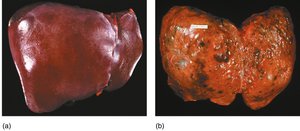
Liver Damage: Fatty liver, alcoholic hepatitis, cirrhosis (permanent scarring).
Alcohol-Related Malnutrition
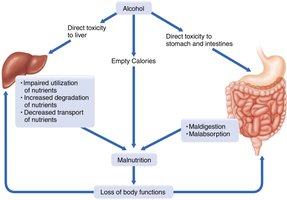
Alcohol can cause malnutrition by impairing nutrient utilization and absorption, leading to loss of body functions.
Wernicke–Korsakoff Syndrome: Thiamin deficiency disorder associated with alcohol dependence; causes encephalopathy and psychosis.
Fetal Alcohol Syndrome (FAS)
Maternal alcohol intake can cause irreversible birth defects, including FAS, ARND, and ARBD.
Symptoms: Physical, emotional, behavioral, and developmental problems.
Recommendation: Abstain from alcohol during pregnancy and breastfeeding.

Strategies for Limiting Alcohol Intake and Recognizing AUD
Limiting Intake: Set limits, avoid drinking alone, seek support.
Signs of AUD: Craving, loss of control, withdrawal symptoms, tolerance, drinking despite promises to stop.
Talking to Someone: Approach with empathy, encourage professional help, offer support.
Additional info: These notes expand on brief points with academic context, definitions, and examples to provide a comprehensive study guide for Nutrition students.
