 뒤로
Nutrients Essential to Healthy Tissues: Blood and Bone Health
스터디 가이드 - 스마트 노트
 자료에 맞춘 맞춤형 노트, 핵심 정의, 예시, 맥락을 확장해 제공합니다.
Nutrients Essential to Healthy Tissues
Overview of Key Nutrients
This chapter explores the micronutrients vital for maintaining healthy tissues, focusing on blood, bone, and connective tissue. Deficiencies in these nutrients can lead to widespread health issues, including anemia and osteoporosis.
Iron: Essential for oxygen transport and energy metabolism.
Zinc: Required for enzymatic, structural, and regulatory functions.
Copper: Important for iron transport and connective tissue formation.
Vitamin B6, B12, Folate, Vitamin K, Vitamin C: Crucial for blood formation and tissue health.
Recommended Intakes
Nutrient | Recommended Intake |
|---|---|
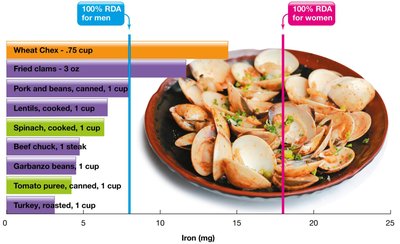
Iron | Women: 18 mg/day; Men: 8 mg/day |
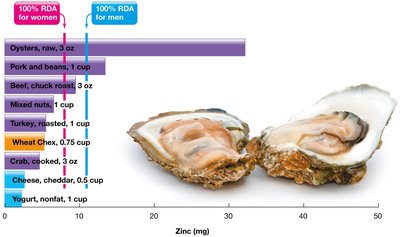
Zinc | Women: 8 mg/day; Men: 11 mg/day |
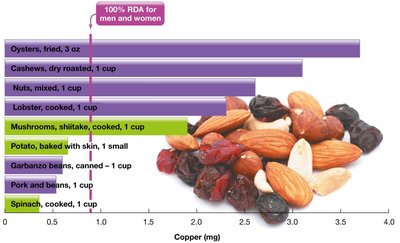
Copper | 90 µg/day |
Vitamin B6 | 1.3–1.7 mg/day |
Folate | 400 µg/day |
Vitamin B12 | 2.4 µg/day |
Vitamin K | Women: 90 µg/day; Men: 120 µg/day |
Vitamin C | Women: 75 mg/day; Men: 90 mg/day (+35 mg for smokers) |
Calcium | Adults: 1,000–1,200 mg/day |
Phosphorus | 700 mg/day |
Magnesium | Women: 310–320 mg/day; Men: 400–420 mg/day |
Fluoride | Women: 3 mg/day; Men: 4 mg/day |
Vitamin D | 600–800 IU/day |
Bioavailability and Nutrient Interactions
Micronutrients interact in the gastrointestinal tract, affecting their absorption and bioavailability. For example, the presence of vitamin C enhances iron absorption, while phytates and polyphenols can inhibit it.
Blood: Structure and Function
Blood as a Connective Tissue
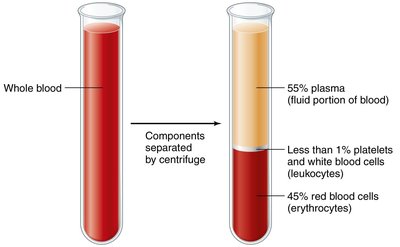
Blood is a specialized connective tissue composed of cells suspended in a matrix called plasma. The main cellular components are erythrocytes (red blood cells), leukocytes (white blood cells), and platelets.
Erythrocytes: Transport oxygen.
Leukocytes: Immune defense.
Platelets: Blood clotting.
Plasma: Fluid portion containing proteins, nutrients, and waste products.
Trace Minerals Essential for Blood Health
Iron
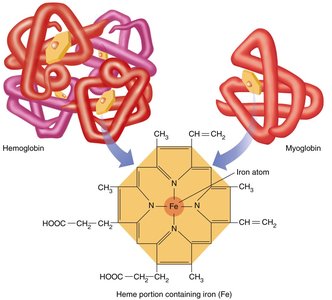
Iron is a critical component of hemoglobin and myoglobin, proteins responsible for oxygen transport in blood and muscle. It is also involved in energy metabolism and DNA synthesis.
Hemoglobin: Contains four polypeptide chains, each with an iron-containing heme group.
Myoglobin: Similar to hemoglobin, found in muscle cells.
Cytochromes: Iron-containing enzymes in metabolism.
Iron Absorption
Heme Iron: Found in animal products; more absorbable.
Nonheme Iron: Found in plant foods; absorption enhanced by vitamin C and meat factor.
Inhibitors: Phytates, polyphenols, calcium, and soybean protein reduce absorption.
Iron Storage and Recycling
Stored in liver, intestinal mucosa, bone marrow, and spleen.
85% of iron from hemoglobin breakdown is reused daily.
Circumstances Affecting Iron Status
Improves Iron Status | Diminishes Iron Status |
|---|---|
Oral contraceptives, breastfeeding, iron-rich foods/supplements | Vegetarian diet, intestinal parasites, blood donation, intense exercise |
Common Food Sources of Iron
Iron Toxicity and Deficiency
Toxicity: Risk of overdose in children; hemochromatosis causes excessive absorption.
Deficiency: At risk: infants, children, adolescent girls, menstruating and pregnant women.
Stages: Depletion of stores → reduced transport/production → anemia.
Types of Anemia
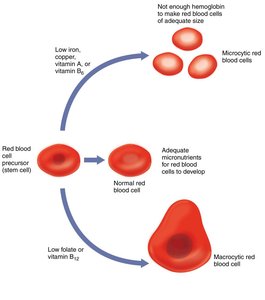
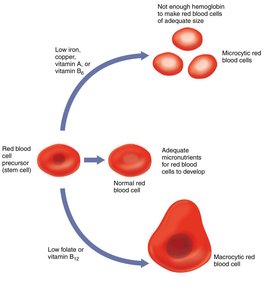
Microcytic anemia: Due to iron, copper, vitamin A, or B6 deficiency.
Macrocytic anemia: Due to folate or B12 deficiency.
Inherited: Sickle cell, thalassemia.
Hemorrhagic: Acute or chronic blood loss.
Zinc
Zinc is involved in over 300 enzymatic reactions, stabilizes proteins, and regulates gene expression. Its absorption is influenced by dietary factors and physiological status.
Absorption: 10–35% absorbed; increased during pregnancy, childhood, adolescence.
Inhibitors: Non-heme iron, phytates, fiber.
Toxicity: Rare, mainly from supplements.
Deficiency: Growth retardation, delayed sexual maturation, increased infection risk.
Copper
Copper is a component of ceruloplasmin, essential for iron transport, energy metabolism, and connective tissue formation. It also regulates neurotransmitters.
Toxicity: Not well studied.
Deficiency: Inhibits hemoglobin synthesis, causes microcytic anemia.
Vitamins Essential for Blood Health
Vitamin B6, Folate, Vitamin B12, Vitamin K
These vitamins are crucial for blood cell formation and function. Deficiencies can lead to anemia and impaired blood clotting.
Vitamin B6: Required for heme synthesis.
Folate & B12: Needed for DNA synthesis and cell division; deficiency leads to megaloblasts (large, immature RBCs).
Vitamin K: Essential for blood clotting and bone metabolism.
Vitamin K Details
Forms: Phylloquinone (plants), menaquinone (gut bacteria).
Functions: Blood clotting, bone metabolism, prevention of inflammation and chronic diseases.
Sources: Green leafy vegetables, vegetable oils, gut microbiome.
Deficiency: Reduced clotting, excessive bleeding.
Vitamin C and Collagen
Role of Vitamin C in Collagen Formation
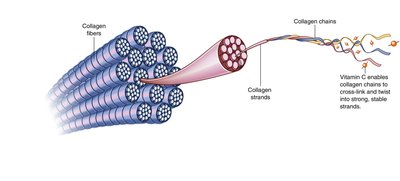
Vitamin C is necessary for the synthesis and maintenance of collagen, a fibrous protein that provides strength and flexibility to bone, teeth, tendons, blood vessels, and gum tissue.
Collagen: Acts as a scaffold for tissues.
Vitamin C: Coenzyme for enzymes converting procollagen to collagen.
Other Roles of Vitamin C
Assists in synthesis of DNA, bile, neurotransmitters, and hormones.
Acts as a water-soluble antioxidant and regenerates vitamin E.
Enhances absorption of non-heme iron.
Vitamin C Intake and Sources
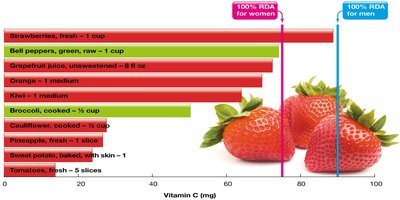
RDA: 90 mg/day (men), 75 mg/day (women), +35 mg for smokers.
UL: 2,000 mg/day.
Sources: Fresh fruits and vegetables; heat destroys vitamin C.
Vitamin C Toxicity and Deficiency
Toxicity: Megadoses can cause nausea, diarrhea, nosebleeds, abdominal cramps, iron toxicity, and kidney stones.
Deficiency: Scurvy; symptoms include impaired collagen synthesis, bleeding gums, and poor wound healing.
Bone: Structure and Function
Composition and Types of Bone Tissue
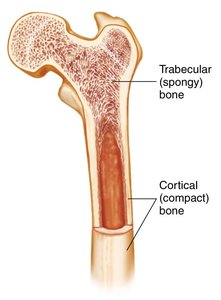
Bone is a living organ composed of connective tissue, cartilage, and two types of bone tissue: cortical (compact) and trabecular (spongy). It contains minerals (65%) and organic structures (35%), primarily collagen.
Cortical bone: Dense, forms outer surface, 80% of skeleton.
Trabecular bone: Spongy, supports cortical bone, 20% of skeleton, higher turnover rate.
Bone Function
Structural Functions | Metabolic Functions |
|---|---|
Support for organs and body segments; protection of vital organs; movement with muscles and tendons | Mineral storage (calcium, phosphorus, fluoride); blood cell production in bone marrow |
Bone Development Processes
Bone growth: Increase in size, rapid from birth to age 2, continues through adolescence.
Bone modeling: Shaping of bone; peak bone density reached in early adulthood.
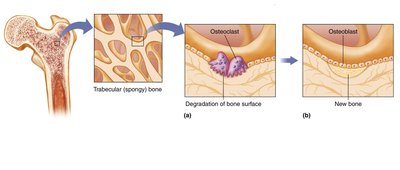
Bone remodeling: Breakdown and formation of bone tissue; maintains bone mass and repairs fractures.
Factors Affecting Peak Bone Density
Late puberty, inadequate calcium intake, low body weight, physical inactivity.
Bone density declines after age 40.
Assessing Bone Health
Dual-energy x-ray absorptiometry (DXA): Measures bone density, noninvasive, recommended for postmenopausal women.
T-score: Compares bone density to a healthy 30-year-old.
Summary
Maintaining healthy tissues requires adequate intake of essential micronutrients, including trace minerals and vitamins. Blood and bone health are particularly dependent on iron, zinc, copper, vitamin B6, B12, folate, vitamin K, and vitamin C. Understanding their functions, sources, and interactions is crucial for preventing deficiencies and supporting overall health.
