 뒤로
Nutrients Essential to Key Body Functions & Cancer: B-Vitamins, Antioxidants, Immunity, and Oncology Nutrition
스터디 가이드 - 스마트 노트
 자료에 맞춘 맞춤형 노트, 핵심 정의, 예시, 맥락을 확장해 제공합니다.
Metabolism & the B-Vitamins
B-Vitamin Roles in Metabolism
B-vitamins are essential micronutrients that act as coenzymes in numerous metabolic pathways, including energy production, amino acid metabolism, and DNA synthesis. Their deficiency or excess can significantly impact health.
Thiamine (B1): Coenzyme in carbohydrate energy conversion and branched-chain amino acid metabolism; assists in DNA and RNA production.
Riboflavin (B2): Component of coenzymes FMN and FAD in oxidation-reduction reactions.
Niacin (B3): Supports metabolism, DNA replication, and cell repair; exists as nicotinamide and nicotinic acid.
Pantothenic Acid (B5): Assists with fatty acid synthesis.
Pyridoxine (B6): Coenzyme for over 100 enzymes, including those involved in amino acid metabolism, neurotransmitter synthesis, carbohydrate metabolism, heme synthesis, and immune function.
Biotin (B7): Important coenzyme for carbohydrate, fat, and protein metabolism; plays a role in gluconeogenesis.
Folate (B9): Essential for DNA synthesis, amino acid metabolism, and red blood cell division.
Cobalamin (B12): Involved in metabolism of essential amino acids and abnormal fatty acids, red blood cell formation, and myelin integrity; prevents folate deficiency.
Mnemonic: "The really nice professor prefers bold flavorful coffee" helps recall the B-vitamins in order. 
Sources of B Vitamins
B-vitamins are found in a variety of foods, both plant and animal-based.
Thiamine: Enriched and whole-grain products, wheat germ, yeast extracts, pork, green vegetables.
Riboflavin: Meat, dairy, green vegetables, fortified whole grains.
Niacin: Meat, poultry, fish, whole grain/enriched bread products.
Pantothenic Acid: Chicken, beef, egg yolks, potatoes, oat cereals, tomato products, whole grains, organ meats, yeast.
Pyridoxine: Meat, fish, poultry, eggs, dairy, peanut butter.
Biotin: Organ meat, fish, eggs, nuts, seeds, legumes.
Folate: Fortified grain products, milk, eggs, meats, fruits, vegetables.
Cobalamin: Animal products (dairy, meats, poultry, eggs).
Deficiencies and Toxicities of B Vitamins
Deficiencies in B-vitamins can lead to a range of clinical symptoms, some of which are illustrated below.
Thiamine: Deficiency causes beriberi (fatigue, apathy, muscle weakness, decreased cognitive function, paralysis). Alcohol abuse can lead to Wernicke-Korsakoff Syndrome. No known toxicities.
Riboflavin: Deficiency causes fatigue, muscle weakness, inflammation and ulcers of mucous membranes, skin irritation, anemia. Severe deficiency impairs B6 and niacin. No known toxicities.
Niacin: Deficiency causes pellagra (dermatitis, diarrhea, dementia). Toxicity causes flushing.
Pantothenic Acid: Deficiencies are rare. No known toxicities.
Pyridoxine: Deficiency causes anemia, nervous system symptoms, dermatitis. Toxicity causes nerve damage and skin lesions.
Biotin: Deficiency causes thinning hair, loss of hair color, dermatitis, nervous system impairment. No known toxicities.
Folate: Deficiency impairs DNA synthesis, can cause neural tube defects. Toxicity masks B12 deficiency.
Cobalamin: Deficiency due to malabsorption (atrophic gastritis, pernicious anemia) causes pale skin, reduced energy, fatigue, shortness of breath, neuro impairment. No known toxicities.
Example: Pellagra is characterized by dermatitis, as seen in the image below. 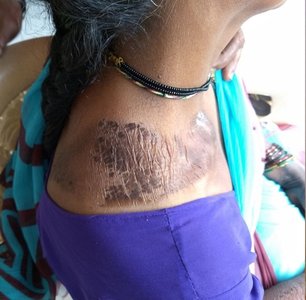
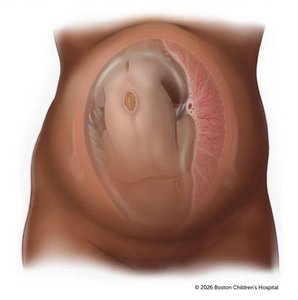
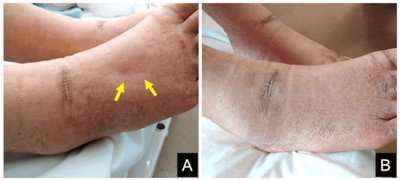 Example: Neural tube defects are associated with folate deficiency.
Additional Cofactors
Roles and Sources of Key Cofactors
Several non-vitamin nutrients are essential for metabolic and structural functions.
Choline: Involved in fat and cholesterol metabolism, precursor to acetylcholine, and phospholipid synthesis. Sources: Milk, liver, eggs, peanuts.
Iodine: Essential for basal metabolic rate, temperature regulation, reproduction via thyroid hormones. Sources: Saltwater fish, shrimp, iodized salt, dairy products.
Chromium: Enhances insulin's ability to transport glucose; may have antioxidant effects. Sources: Mushrooms, prunes, dark chocolate, nuts, whole grains, asparagus, yeast, red wine.
Manganese: Role in energy metabolism, urea synthesis, bone/cartilage synthesis, antioxidant function. Sources: Plant-based foods.
Sulfur: Component of thiamin, biotin, and amino acids; stabilizes protein structure, assists liver detoxification, maintains acid-base balance. Sources: Poultry, red meat, fish, seafood, dairy.
Immunity & Infection
Micronutrients in Immune Response
Infection increases basal metabolic rate and triggers nutrient reallocation from growth to cellular defense. Key micronutrients support immune function:
Iron, copper, manganese: Used in antioxidant enzymes.
Selenium: Supports immune cell proliferation and antibody production.
Zinc: Activates enzymes involved in immunity.
Vitamin A: Maintains mucous membrane integrity.
Vitamins C & E: Limit immune cell autoxidation during pathogen attacks.
Vitamin D: Reduces inflammation.
Antioxidants & Vision
Cellular Damage by Free Radicals
Free radicals are reactive molecules formed during metabolic reactions that strip electrons from stable molecules, causing oxidative stress. Antioxidant nutrients donate electrons to neutralize free radicals, protecting cellular structures.
Primary Damage Targets: Cell membranes (lipid peroxidation), LDL particles (atherogenesis), nuclear DNA (mutations, oncogenesis).
Antioxidant Nutrients & Dietary Sources
Nutrient | Primary Mechanism | Key Food Sources |
|---|---|---|
Vitamin E | Protects cell membranes & lipids | Vegetable oils, nuts, seeds, wheat germ |
Vitamin C | Scavenges radicals; regenerates Vitamin E | Citrus, bell peppers, strawberries, broccoli |
Selenium | Glutathione peroxidase cofactor | Brazil nuts, seafood, organ meats, whole grains |
Beta-Carotene | Provitamin A lipid antioxidant | Carrots, sweet potatoes, spinach, kale |
Functions of Beta-Carotene
Helps fight oxidation in lipid portions of cell membranes and LDLs.
Enhances immune system, protects skin and eyes from UV damage.
Associated with decreased risk of certain types of cancer.
Vitamin A Functions & Dietary Sources
Vitamin A Forms and Functions
Vitamin A exists in several forms, each with distinct physiological roles:
Retinal: Essential for sight; integral to the retina. Sources: Beef liver, dairy, egg yolks, fish oil.
Retinoic Acid: Directs epithelial and immune cell differentiation. Sources: Fortified milk, dark green/orange produce.
Retinol: Supports reproduction and bone remodeling. Sources: Preformed animal foods, carotenoid conversion.
Recommended Intake: 700 mcg RAE for females ages 19−50; 900 mcg RAE for males ages 19−50.
Deficiency: Night blindness, color blindness, irreversible blindness, impaired immunity, reproductive disorders, failure to grow. At risk: newborns, elderly, GI malabsorption.
Toxicity: Loss of appetite, blurred vision, hair loss, GI abnormalities, liver and nervous system damage. Pregnancy: risk of birth defects.
In Depth: Cancer Focus
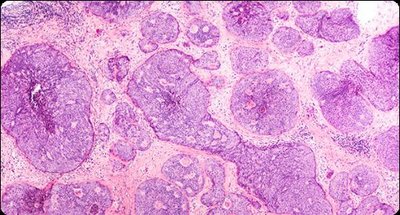
The Three Stages of Cancer Development
Cancer develops through a series of stages:
Initiation: Carcinogen causes irreversible DNA mutation in a normal cell.
Promotion: Mutated cell repeatedly divides.
Progression: Malignant cells invade adjacent tissues and metastasize to distant organs.
Modifiable vs Non-Modifiable Risk Factors
Modifiable: Tobacco use, physical inactivity, poor diet, alcohol excess.
Environmental & Infectious Agents: UV radiation, infectious agents (~18% of global cancers).
Diagnosis, Clinical Care & Dietary Prevention
Early Detection: Screenings enable precancerous removal prior to malignant progression.
Prevention: Smoking cessation, moderate/no alcohol, increased physical activity, whole food diets rich in natural antioxidants.
Supplements: Synthetic high-dose antioxidant supplements do not lower risk and may cause harm.
Clinical Treatment Triad: Surgical excision, targeted radiation therapy, systemic chemotherapy.
Oncology Nutrition: Nutrition Care Process (NCP) in Medical Nutrition Therapy (MNT) for Cancer
Assessment: Evaluate weight trends, oncology symptoms (mucositis, dysgeusia, anorexia), visceral protein stores.
Diagnosis: Identify PES statements (e.g., involuntary weight loss related to cancer cachexia and treatment side effects).
Intervention: Prescribe high-protein oral supplements, enteral nutrition support, symptom-tailored dietary adaptations.
Monitoring: Track body composition changes, oral intake percentage, hydration status, tolerance to clinical therapy.
Appendix: Metabolic Pathways
Atomic Structure and Nutrient Chemistry
Understanding atomic structure is fundamental to metabolic pathways and nutrient biochemistry.
Mass number (A): Total number of neutrons and protons.
Atomic number (Z): Number of protons.
Example: Helium atom structure. 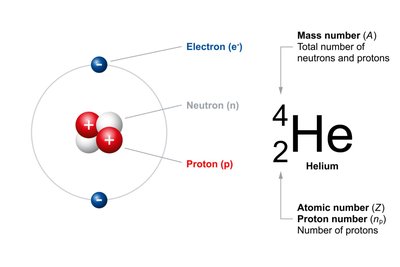 Additional info: Atomic structure is relevant for understanding the chemical properties of nutrients and their roles in metabolic reactions. ----------------------------------------
