Skip to main content
Organic Chemistry
나의 코스
배우기
시험 준비
AI 튜터
학습 가이드
교과서적 해결책
플래시카드
탐험해 보세요
앱을 사용해 보세요
나의 코스
배우기
시험 준비
AI 튜터
학습 가이드
교과서적 해결책
플래시카드
탐험해 보세요
앱을 사용해 보세요
뒤로
CHEM 2323 Organic Chemistry I – Syllabus and Course Overview
주석
실무
비디오 수업
학습 가이드 - 영상으로 배우기
업로드한 자료에 맞춘 엄선된 수업 – 모든 주제를 단계별로 배워보세요.
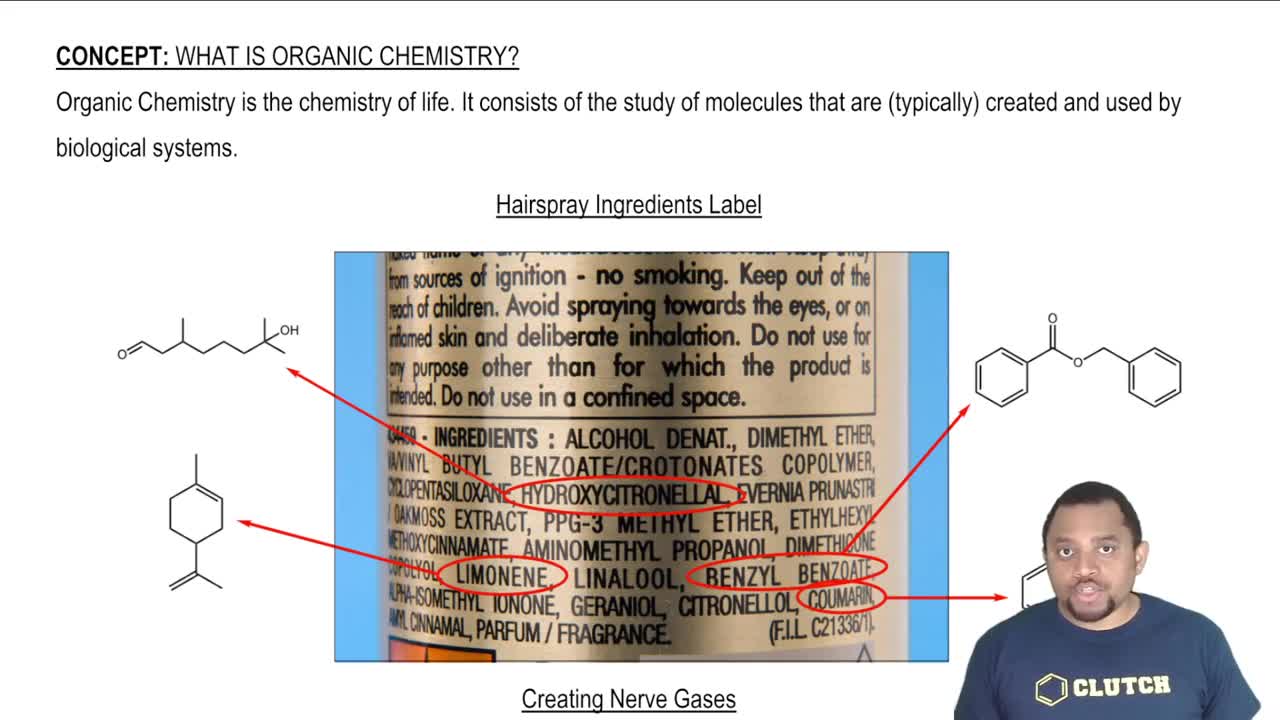
What is Organic Chemistry?
주제로 이동
02:08
Organic molecules in your everyday life.
Johnny Betancourt
11516
views
207
rank
7
comments
02:17
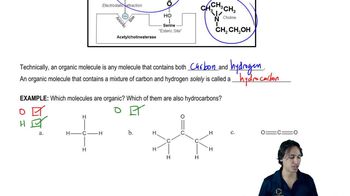
Identifying organic molecules
Johnny Betancourt
6851
views
332
rank
5
comments
Bonding Preferences
주제로 이동
02:04
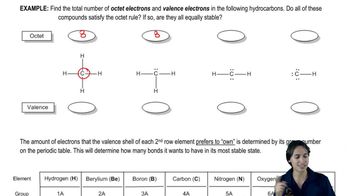
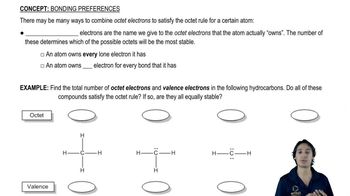
What is the difference between valence and octet electrons?
Johnny Betancourt
4940
views
54
rank
2
comments
08:32
Understanding the hydrogen isotopes.
Johnny Betancourt
4816
views
125
rank
24
comments
02:14
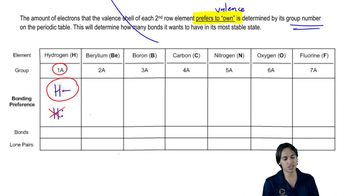
What is a valence electron?
Johnny Betancourt
5350
views
62
rank
1
comments
Acid and Base Definitions
주제로 이동
07:46
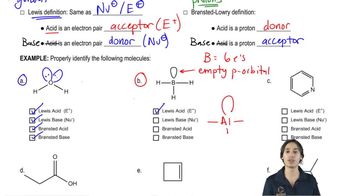
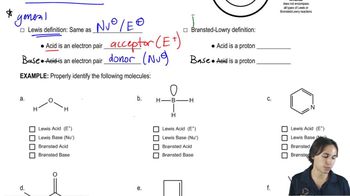
Lewis vs. Bronsted-Lowry Definition
Johnny Betancourt
5558
views
40
rank
72
comments
00:54
The Bronsted-Lowry definition of acids and bases.
Johnny Betancourt
5482
views
40
rank
1
comments
02:11
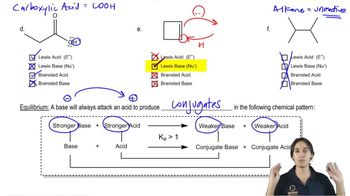
Equilibrium constant and conjugates.
Johnny Betancourt
4338
views
35
rank
4
comments
더 많은 영상 (2)
Functional Groups
주제로 이동
01:30
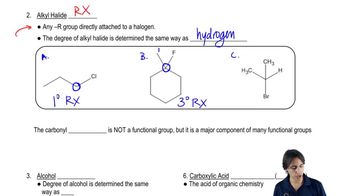
Assigning Degrees to Alkyl Halides
Johnny Betancourt
4951
views
50
rank
6
comments
01:49
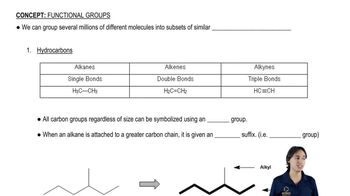
Why we need functional groups.
Johnny Betancourt
6839
views
94
rank
3
comments
03:08
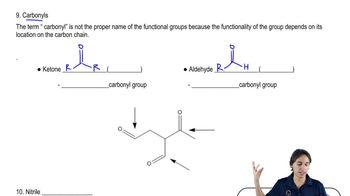
The difference between aldehydes and ketones.
Johnny Betancourt
4862
views
43
rank
9
comments
더 많은 영상 (12)
Alkane Nomenclature
주제로 이동
01:02
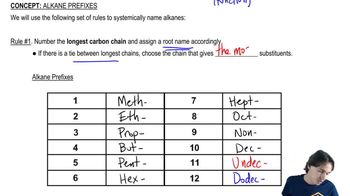
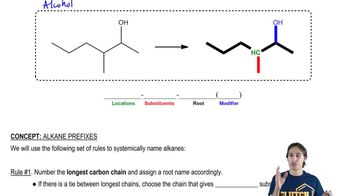
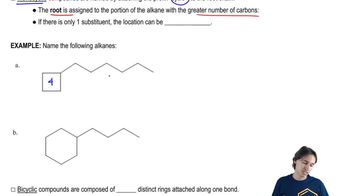
Naming the root chain
Johnny Betancourt
5383
views
65
rank
2
comments
07:08
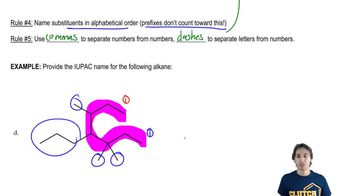
Provide the IUPAC name for the following alkane
Johnny Betancourt
4911
views
119
rank
19
comments
03:43
The different parts of an IUPAC name
Johnny Betancourt
7829
views
123
rank
6
comments
더 많은 영상 (7)
Cycloalkanes
주제로 이동
00:53
Name the following alkane
Johnny Betancourt
4233
views
38
rank
8
comments
00:18
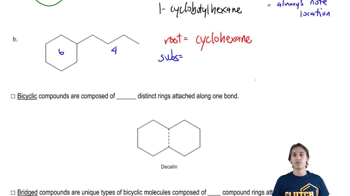
Determining Root Name
Johnny Betancourt
4487
views
40
rank
2
comments
00:34
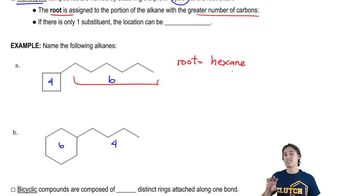
Determining Root Name
Johnny Betancourt
4616
views
41
rank
5
comments
더 많은 영상 (4)
Chirality
주제로 이동
03:24
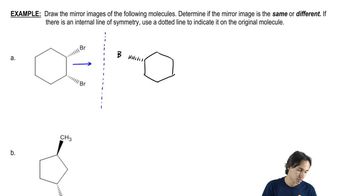
Drawing Mirror Images and Determining Chirality
Johnny Betancourt
6041
views
76
rank
12
comments
05:10
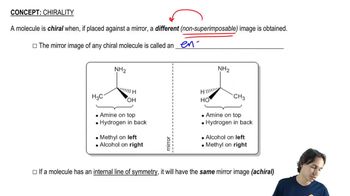
What is chirality?
Johnny Betancourt
6816
views
76
rank
12
comments
03:44
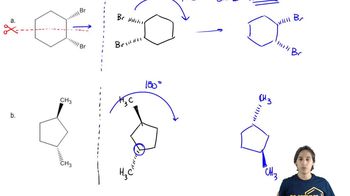
Drawing Mirror Images and Determining Chirality
Johnny Betancourt
5975
views
110
rank
18
comments
Types of Isomers
주제로 이동
01:39
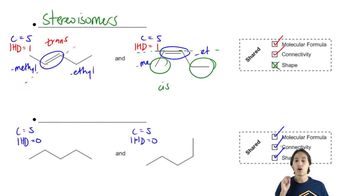
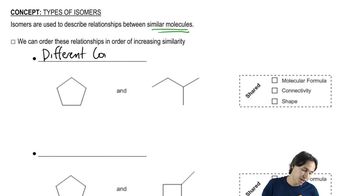
Determining when molecules are conformers.
Johnny Betancourt
5908
views
101
rank
8
comments
03:51
Determining when molecules are different.
Johnny Betancourt
7898
views
84
rank
10
comments
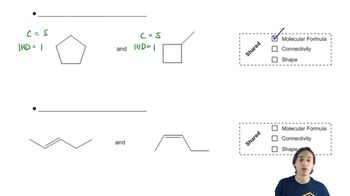
01:33
Determining when molecules are constitutional isomers.
Johnny Betancourt
6481
views
87
rank
4
comments
더 많은 영상 (1)
Reaction Mechanism
주제로 이동
02:39
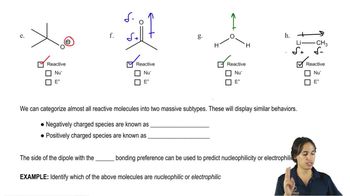
How to tell if charged molecules will react as nucleophiles or electrophiles.
Johnny Betancourt
5206
views
36
rank
4
comments
01:49
Nucleophile or Electrophile
Johnny Betancourt
5258
views
42
rank
11
comments
02:48
How to tell if uncharged molecules will react as nucleophiles or electrophiles.
Johnny Betancourt
4694
views
34
rank
7
comments
더 많은 영상 (13)
Alkenes, Alkynes and Alcohols
주제로 이동
02:04
Name the following alkene
Johnny Betancourt
6156
views
127
rank
24
comments
01:55
How to name alkenes and alkynes
Johnny Betancourt
6908
views
53
rank
4
comments
Nucleophilic Catalysis
주제로 이동
가이드 코스
1:29
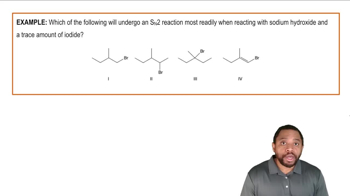
Nucleophilic Catalysis Example 1
Jules Bruno
553
views
가이드 코스
2:31
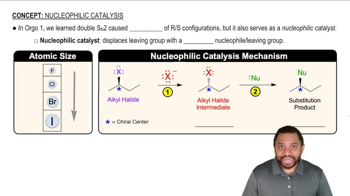
Nucleophilic Catalysis Concept 1
Jules Bruno
540
views
가이드 코스
1:52
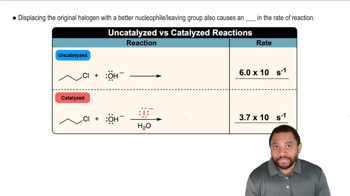
Nucleophilic Catalysis Concept 2
Jules Bruno
486
views
Substitution Comparison
주제로 이동
03:32
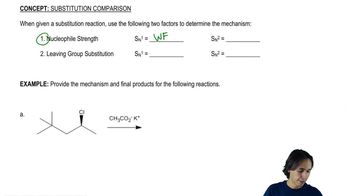
How do we predict if the mechanism is SN1 or SN2?
Johnny Betancourt
5401
views
44
rank
5
comments
 뒤로
 업로드한 자료에 맞춘 엄선된 수업 – 모든 주제를 단계별로 배워보세요.
 02:08