 뒤로
뒤로Diels–Alder Reactions: Predicting Bridged Products and Stereochemistry
스터디 가이드 - 스마트 노트
 자료에 맞춘 맞춤형 노트, 핵심 정의, 예시, 맥락을 확장해 제공합니다.
Q3. In the following Diels–Alder reactions, predict the final products. Include stereochemistry, if applicable.
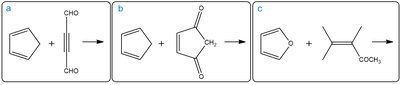
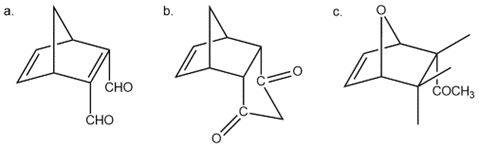
Background
Topic: Diels–Alder Reaction and Stereochemistry
This question tests your understanding of the Diels–Alder reaction, a [4+2] cycloaddition between a conjugated diene and a dienophile. You are asked to predict the structure and stereochemistry of the bridged bicyclic products formed in these reactions.
Key Terms and Formulas
Diels–Alder Reaction: A concerted pericyclic reaction where a diene reacts with a dienophile to form a six-membered ring.
Bridged Bicyclic System: When the diene is cyclic, the product is often a bicyclo[x.y.0]alkane.
Stereochemistry: The reaction is stereospecific; substituents on the dienophile retain their relative orientation (endo/exo selectivity).
Step-by-Step Guidance
For each reaction, identify the diene and the dienophile. Note any substituents on either reactant, as these will influence the regiochemistry and stereochemistry of the product.
Draw the diene in the s-cis conformation (required for the reaction to occur) and align the dienophile so that the π bonds can overlap in a concerted fashion.
Combine the diene and dienophile to form a new six-membered ring. If the diene is cyclic, the product will be a bicyclic (bridged) system. Carefully count the atoms to ensure correct ring fusion.
Assign the positions of substituents from the starting materials to the correct carbons in the product. Pay attention to endo/exo selectivity: electron-withdrawing groups on the dienophile typically prefer the endo position (closer to the larger bridge).
Draw the bicyclic product, indicating the correct stereochemistry (solid/dashed wedges) for each substituent. For each reaction, stop here and check your structure before proceeding to the final answer.
Try solving on your own before revealing the answer!
Final Answer:
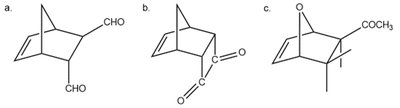
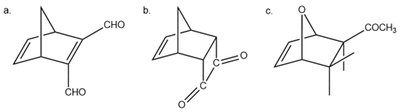
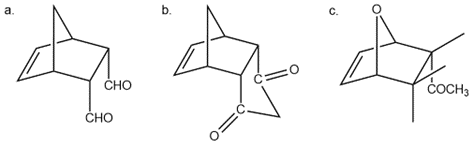
The final products for each Diels–Alder reaction are as follows (with correct stereochemistry):
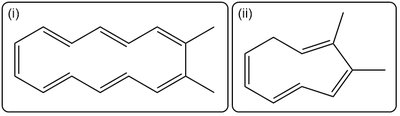
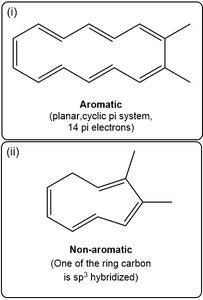
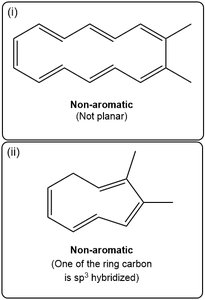
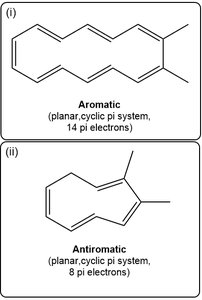
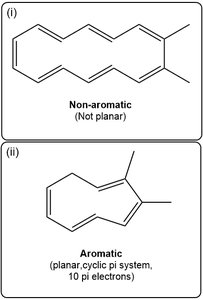
Each product is a bicyclic compound, and the substituents are oriented according to the endo rule and the stereochemistry of the starting materials. The Diels–Alder reaction is stereospecific, so the relative positions of substituents are preserved from the dienophile.
