 뒤로
Organic Chemistry Fundamentals: Structure, Properties, and Nomenclature of Alkanes and Unsaturated Hydrocarbons
스터디 가이드 - 스마트 노트
 자료에 맞춘 맞춤형 노트, 핵심 정의, 예시, 맥락을 확장해 제공합니다.
Introduction to Organic Chemistry
Definition and Scope
Organic chemistry is the study of compounds containing carbon, which are fundamental to life and industry. Organic compounds are found in natural products (e.g., cotton, wool, silk) and synthetic materials (e.g., nylon, polyester). - Key Point 1: Organic compounds affect many aspects of daily life, including medicines, fuels, and food. - Key Point 2: Organic chemistry focuses on the structure, properties, and reactions of carbon-containing molecules. 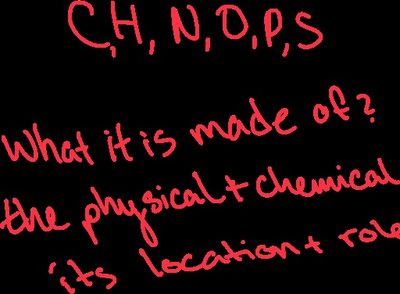


Characteristics of Organic Compounds
Bonding and Structure
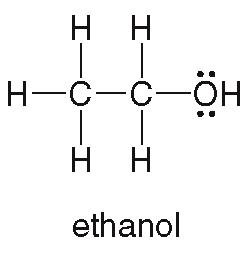
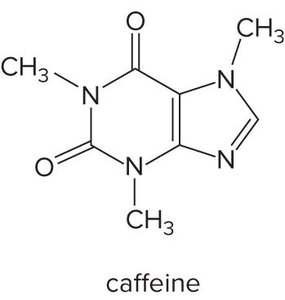
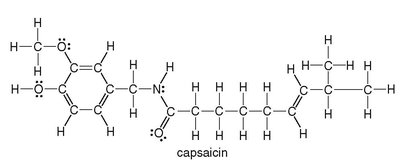
Carbon atoms form single, double, and triple bonds, allowing for diverse molecular structures such as chains and rings. - Key Point 1: Carbon's ability to form multiple bonds leads to a variety of organic molecules. - Key Point 2: Organic compounds may contain heteroatoms (atoms other than C or H), such as N, O, F, Cl, Br, and I, which influence chemical properties. 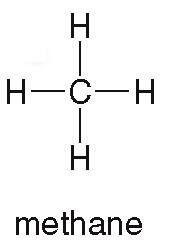
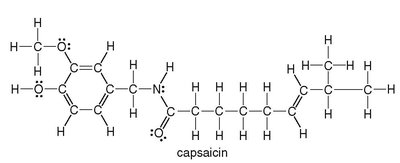
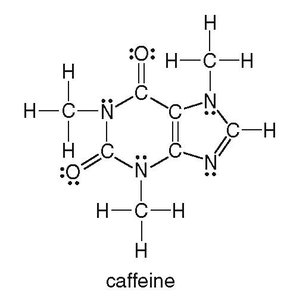
Bond Types and Electron Distribution
- Single bonds: Contain two electrons. - Double bonds: Contain four electrons. - Triple bonds: Contain six electrons. 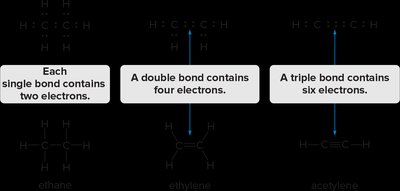
Common Bonding Patterns
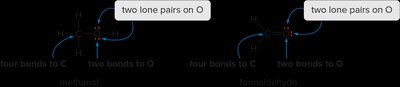
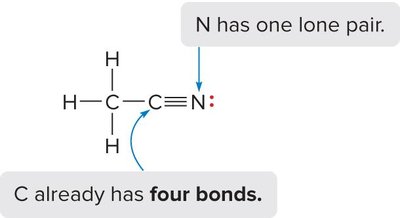
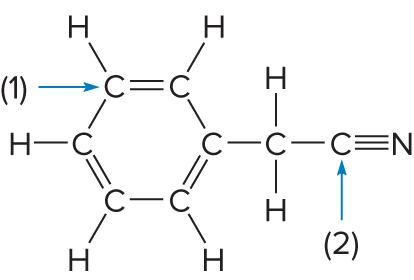
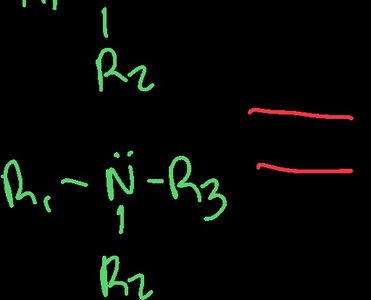
Each atom in organic compounds forms a characteristic number of bonds and may have lone pairs. 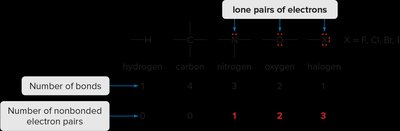

Molecular Geometry and Shapes
3D and Planar Structures
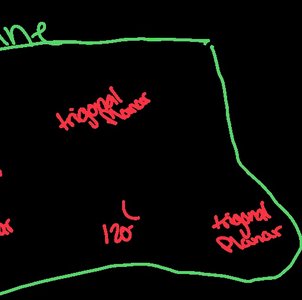
The shape around an atom is determined by its bonding and lone pairs, affecting molecular geometry. - Bent: Water (H2O) has a bent shape with a bond angle of 105°. - Linear: CO2 is linear with a bond angle of 180°. - Trigonal planar: Bond angle of 120°. 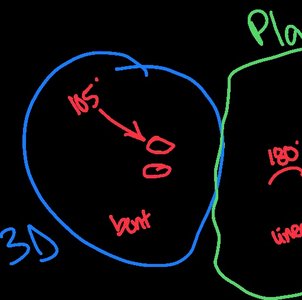
Functional Groups
Definition and Classification
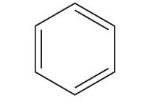
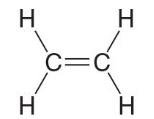
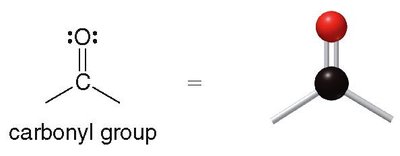
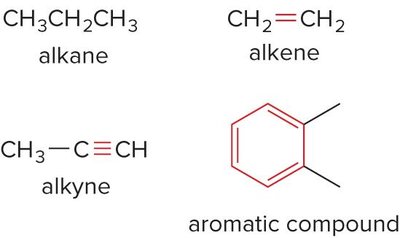
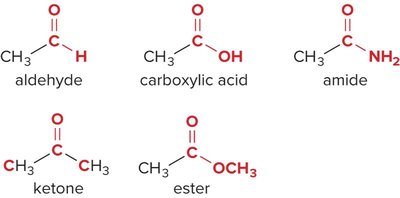
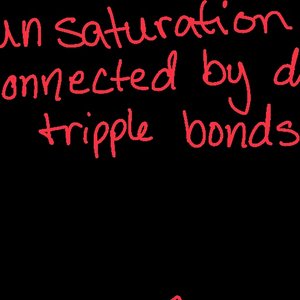
Functional groups are specific atoms or groups of atoms with characteristic chemical and physical properties. They often contain heteroatoms or multiple bonds. - Key Point 1: Functional groups determine the reactivity and properties of organic molecules. - Key Point 2: Hydrocarbons are classified as saturated (alkanes) or unsaturated (alkenes, alkynes, aromatics). 

Hydrocarbon Families and Nomenclature
Family | Parent | Ending | Functional Group |
|---|---|---|---|
Alkane | R-H | -ane | C–C single bonds |
Alkene | R | -ene | C=C double bond |
Alkyne | R | -yne | C≡C triple bond |
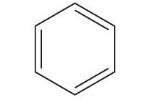
Aromatic | Ring | - | Benzene ring |


Drawing Organic Molecules
Condensed Structures
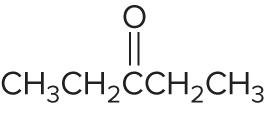
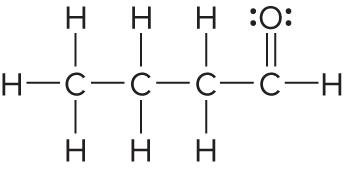
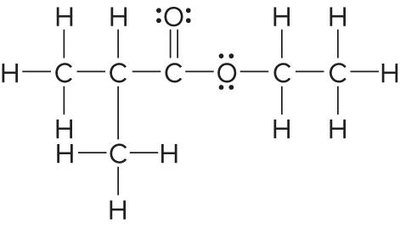
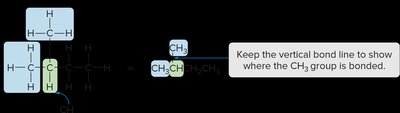
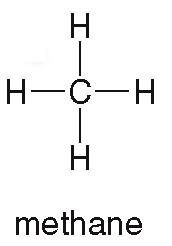
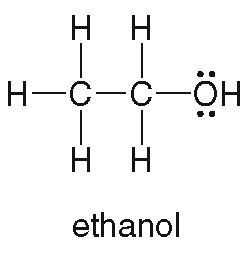
Condensed structures show all atoms but omit bond lines and lone pairs. Identical groups can be condensed further for simplicity. - Example: CH3 for a carbon bonded to three hydrogens. 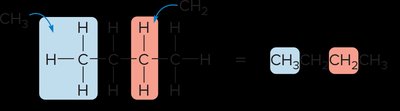

Skeletal Structures
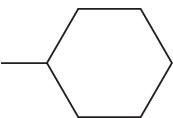
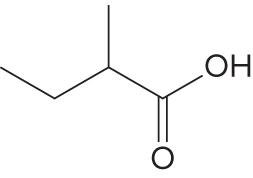
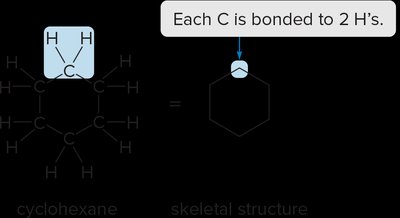
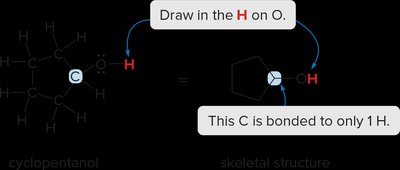
Skeletal structures represent carbon atoms at line ends or junctions, with hydrogens implied. Heteroatoms and hydrogens bonded to them are drawn explicitly. 

Properties of Organic Compounds
Polarity
- Nonpolar bonds: C–C and C–H bonds are nonpolar due to similar electronegativity. - Polar bonds: Bonds between C and N, O, or halogens are polar. - Polarity of molecules: If polar bonds do not cancel, the molecule is polar; otherwise, it is nonpolar.
Solubility
- Rule: "Like dissolves like." Nonpolar compounds are soluble in organic solvents but insoluble in water. Small polar organic compounds with N or O can hydrogen bond and are water soluble.
Compound | Solubility in Organic Solvent | Solubility in Water |
|---|---|---|
Hexane (CH3CH2CH2CH2CH2CH3) | Soluble | Insoluble |
Ethanol (CH3CH2OH) | Soluble | Soluble |
Cholesterol | Soluble | Insoluble |
Vitamins: Fat-Soluble vs. Water-Soluble
- Fat-soluble vitamins: Large, mostly nonpolar molecules (e.g., Vitamin A) dissolve in organic solvents. - Water-soluble vitamins: Molecules with many polar bonds and O atoms (e.g., Vitamin C) dissolve in water.
Alkanes and Cycloalkanes
Structure and Nomenclature
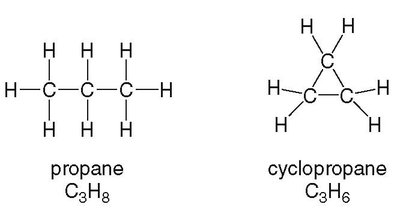
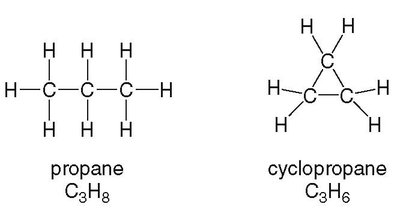
Alkanes are hydrocarbons with only C–C and C–H single bonds. - Acyclic alkanes: Chains of C atoms, general formula , saturated. - Cycloalkanes: C atoms joined in rings, general formula . - Nomenclature: Names end in "-ane".
Isomerism
Isomers are compounds with the same molecular formula but different atom connectivity. - Constitutional isomers: Differ in the way atoms are connected.
Bond Rotation
Rotation occurs around C–C single bonds; zigzag arrangement is most stable.
Classification of Carbon Atoms
- Primary (1°): Bonded to one other C. - Secondary (2°): Bonded to two other C. - Tertiary (3°): Bonded to three other C. - Quaternary (4°): Bonded to four other C.
IUPAC Nomenclature
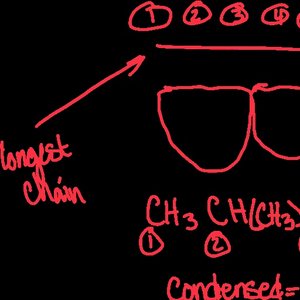
The IUPAC system provides unique names for organic compounds. - Parent name: Longest continuous carbon chain. - Suffix: Indicates functional group. - Prefix: Identity, location, and number of substituents.
Naming Substituents
Alkyl groups are formed by removing one H from an alkane; names end in "-yl".
Number of C's | Structure | Name |
|---|---|---|
1 | CH3- | Methyl |
2 | CH3CH2- | Ethyl |
3 | CH3CH2CH2- | Propyl |
4 | CH3CH2CH2CH2- | Butyl |
5 | CH3CH2CH2CH2CH2- | Pentyl |
6 | CH3CH2CH2CH2CH2CH2- | Hexyl |
Naming Steps
1. Find the parent carbon chain and add the suffix. 2. Number the atoms to give the first substituent the lowest number. 3. Name and number the substituents. 4. Combine substituent names and numbers, parent, and suffix.
Cycloalkane Nomenclature
1. Find the parent cycloalkane. 2. Name and number substituents. 3. For rings with two or more substituents, number to give the lowest numbers, prioritizing alphabetically.
Physical Properties of Alkanes
Melting and Boiling Points
Alkanes have only weak intermolecular forces, resulting in low melting and boiling points. - Smaller alkanes: Gases at room temperature. - Larger alkanes: Liquids at room temperature.
Solubility and Density
Alkanes are insoluble in water and less dense than water, causing them to float.
Reactivity of Alkanes
Combustion
Alkanes undergo combustion in the presence of O2 to form CO2 and H2O, releasing energy. - Incomplete combustion: Forms CO, a poisonous gas.
Halogenation
Reaction with Cl2 or Br2 forms alkyl halides and hydrogen halides. - Type: Substitution reaction. Example: Additional info: These notes cover foundational concepts in organic chemistry, including molecular structure, functional groups, nomenclature, and physical properties, suitable for exam preparation in a college-level course.
