Ch. 26 - Amino Acids, Proteins, and Peptide Synthesis
Mullins - Organic Chemistry: A Learner Centered Approach 1st Edition
Mullins1st EditionOrganic Chemistry: A Learner Centered ApproachISBN: 9780137566471당신이 사용하는 게 아니라요?교과서 변경
25장, 문제 46b

Draw the following amino acids in all possible protonation states as you move from high pH to low pH.
b. His

검증된 단계별 안내
1
Identify the functional groups in histidine: an amino group (-NH2), a carboxyl group (-COOH), and an imidazole side chain.
At high pH, all groups are deprotonated. Draw histidine with the amino group as -NH2, the carboxyl group as -COO-, and the imidazole ring with a neutral nitrogen.
As the pH decreases, the carboxyl group will protonate first. Draw histidine with the carboxyl group as -COOH, while the amino group remains -NH2 and the imidazole ring remains neutral.
At a lower pH, the imidazole ring will protonate. Draw histidine with the imidazole ring having a positively charged nitrogen, while the carboxyl group is -COOH and the amino group is still -NH2.
At the lowest pH, the amino group will protonate. Draw histidine with the amino group as -NH3+, the carboxyl group as -COOH, and the imidazole ring with a positively charged nitrogen.

비슷한 문제에 대한 검증된 영상 답변:

이 영상 해법은 위 문제에 도움이 된다고 튜터들이 추천한 것입니다.
영상 길이:
3m

주요 개념

질문에 올바르게 답하기 위해 반드시 이해해야 하는 핵심 개념들은 다음과 같습니다.

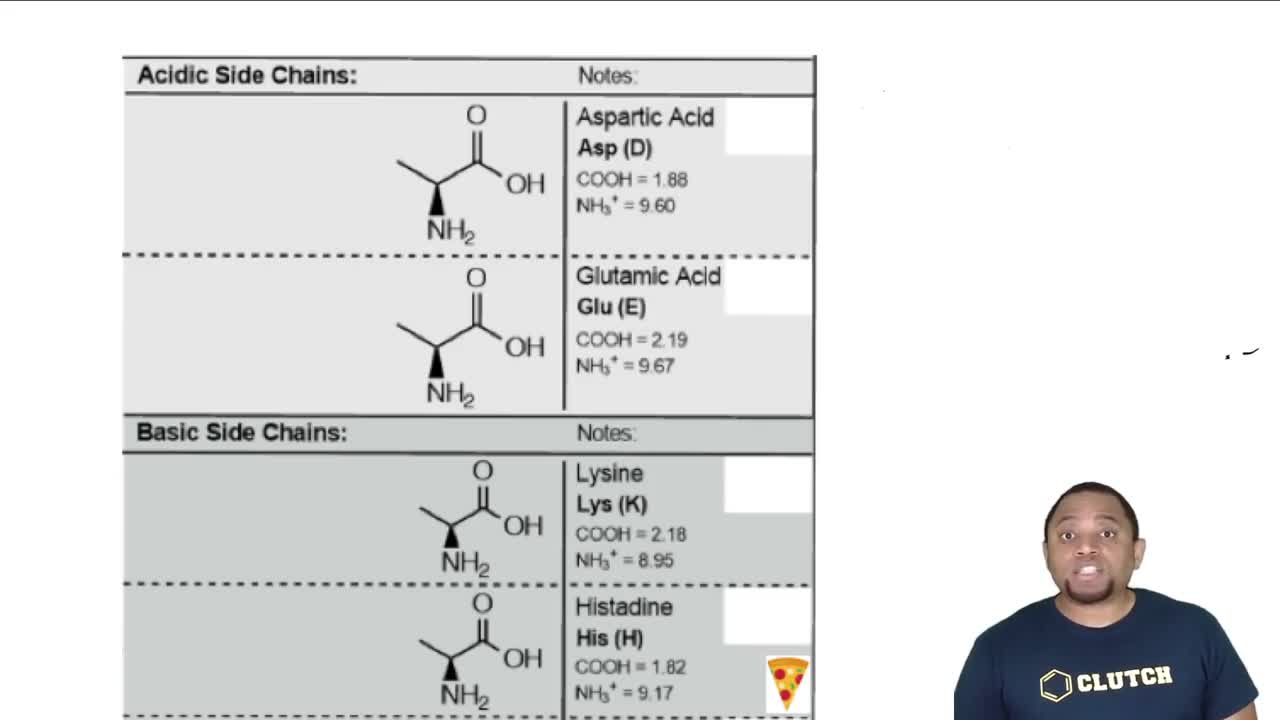
Amino Acid Structure

Amino acids are organic compounds composed of an amino group, a carboxyl group, a hydrogen atom, and a distinctive side chain (R group) attached to a central carbon atom. Histidine, specifically, has an imidazole ring in its side chain, which plays a crucial role in its behavior under varying pH conditions.
추천 영상:
7:19
Charged Amino Acids

Protonation States

Protonation states refer to the different forms an amino acid can take depending on the pH of the environment. As pH decreases, amino acids gain protons, affecting their charge and structure. Histidine can exist in multiple protonation states due to its imidazole ring, which can accept or donate protons.
추천 영상:
03:08
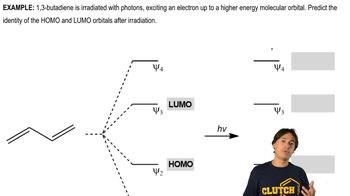
Ground vs. Excited States

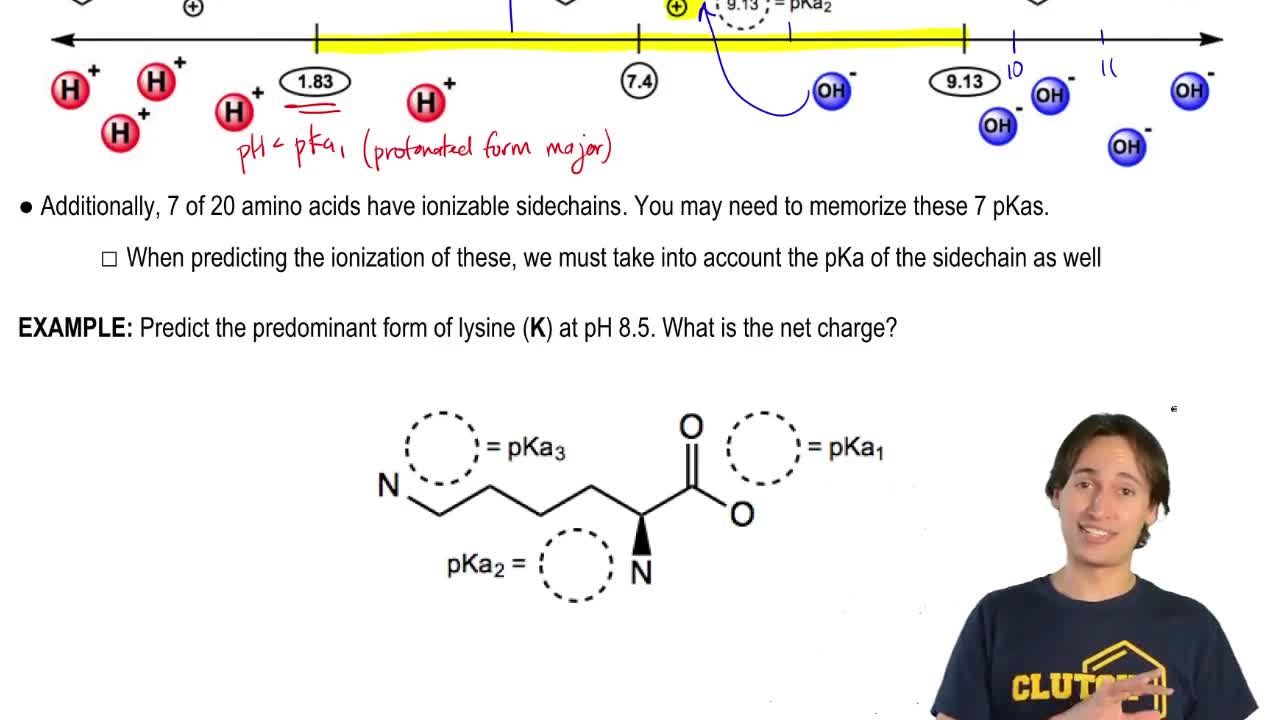
pH and Amino Acid Ionization

The pH of a solution influences the ionization of amino acids, affecting their charge and solubility. At high pH, amino acids tend to lose protons, becoming negatively charged, while at low pH, they gain protons, becoming positively charged. Understanding the pKa values of functional groups in histidine is essential for predicting its behavior across different pH levels.
추천 영상:
04:10
The 7 Ionizable Amino Acids