 뒤로
뒤로Health Literacy and Barriers to Exercise: Foundations for Personal Health
스터디 가이드 - 스마트 노트
 자료에 맞춘 맞춤형 노트, 핵심 정의, 예시, 맥락을 확장해 제공합니다.
Health Literacy
Definition and Importance
Health literacy is a foundational concept in personal health, referring to an individual's ability to obtain, process, understand, and use health information to make informed decisions. High health literacy is associated with better health outcomes, effective disease management, and improved preventive care.
Personal Health Literacy: The capacity to find, understand, and use health information and services for oneself and others.
Organizational Health Literacy: The degree to which organizations enable individuals to equitably access and use health information and services.

Evolution of Health Literacy Definitions
Recent definitions emphasize using health information, not just understanding it.
Focus on making well-informed decisions, incorporating a public health perspective.
Organizations are responsible for addressing health literacy.
Forms of Health Literacy
Functional Health Literacy: Basic reading and writing skills for understanding health information.
Communicative Health Literacy: Ability to extract information and derive meaning from various sources.
Critical Health Literacy: Skills to analyze, reflect, and apply health information for decision-making.
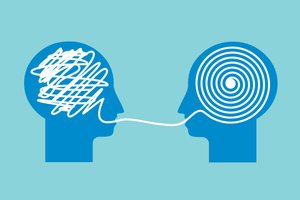
Risks Associated with Low Health Literacy
Poor health outcomes
Increased hospital stays and emergency room visits
Medication errors
Difficulties managing chronic diseases
Skipping preventive services
Higher risks for vulnerable populations
Barriers to Exercise
Common Barriers
Barriers to exercise can prevent individuals from achieving optimal health and fitness. Identifying and addressing these barriers is essential for promoting physical activity and wellness.
Language
Age
Familiarity
Interest
Skill
Religious observances
Trust
Lack of time
Injury
Lack of role models
Culturally appropriate facilities
Weather
Solutions to Reduce Barriers
Providing adaptable equipment
Creating walking groups and run clubs
Offering culturally appropriate facilities
Ensuring accessible information and support
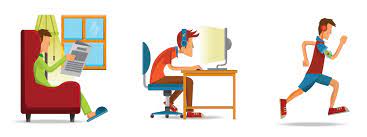
Barriers in Clinical Settings
In clinical environments, barriers may affect participation in rehabilitation programs such as cardiac, cancer, or pulmonary rehab. Healthcare professionals must address these barriers to support patient engagement.
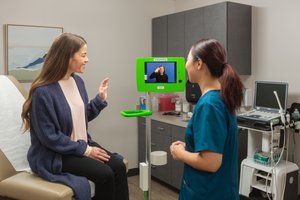
Health and Wellbeing
What is Considered Healthy?
Health is often defined as the absence of disease, but modern perspectives emphasize overall wellbeing, including physical, mental, and social health. Achieving health involves more than avoiding illness; it requires proactive behaviors and informed decision-making.
Explaining Key Health Concepts
Common Health Terms
Atherosclerosis: A condition where arteries become narrowed and hardened due to plaque buildup.
HTN (Hypertension): Chronic high blood pressure, increasing risk for cardiovascular disease.
Body Composition: The proportion of fat, muscle, and bone in the body. Formula:
Endurance: The ability to sustain physical activity over time.
Arthritis: Inflammation of joints causing pain and stiffness.
Improving Health Literacy
Strategies for Healthcare Professionals
Use clear, simple language
Provide visual aids and demonstrations
Encourage questions and active participation
Address embarrassment and time constraints
Do not blame patients for low health literacy
Nutrition and Health
Healthy vs. Unhealthy Food Choices
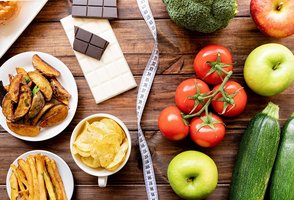
Nutrition is a key component of personal health. Making informed food choices supports overall wellbeing and prevents chronic diseases.
Healthy foods: Fruits, vegetables, whole grains, lean proteins
Unhealthy foods: Processed snacks, sugary foods, fried items
Summary Table: Forms of Health Literacy
Form | Description | Example |
|---|---|---|
Functional | Basic reading and writing skills | Reading prescription labels |
Communicative | Extracting and interpreting information | Discussing health topics with a provider |
Critical | Analyzing and applying information | Evaluating health claims in media |
