 뒤로
뒤로Classical Conditioning: Theories, Mechanisms, and Applications
스터디 가이드 - 스마트 노트
 자료에 맞춘 맞춤형 노트, 핵심 정의, 예시, 맥락을 확장해 제공합니다.
Learning: Classical Conditioning
Theories and Mechanisms of Classical Conditioning
Classical conditioning is a fundamental learning process in psychology, where a neutral stimulus becomes associated with a meaningful stimulus and acquires the capacity to elicit a similar response. Several theories explain the underlying mechanisms of classical conditioning:
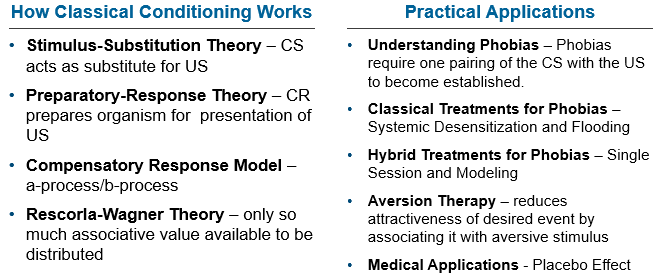
Stimulus-Substitution Theory: This theory posits that the conditioned stimulus (CS) acts as a substitute for the unconditioned stimulus (US). Through repeated pairings, the CS takes on properties of the US and elicits a conditioned response (CR) similar to the unconditioned response (UR). Example: A tone (CS) paired with food (US) leads to salivation (CR) when the tone is presented alone.

Preparatory-Response Theory: This theory suggests that the CR prepares the organism for the presentation of the US. The response is adaptive, helping the organism anticipate and respond to the US. Unlike stimulus-substitution, the CR does not have to be identical to the UR.

Compensatory-Response Model: This model explains phenomena such as drug tolerance and withdrawal. Drug-related cues (CS) trigger compensatory responses that oppose the drug's effects, making cessation difficult and influencing overdose risk. The context in which drugs are taken can affect tolerance and response.
Rescorla-Wagner Theory: This theory proposes that the US has a limited capacity to support conditioning, and this associative value is distributed among competing CSs. Stronger, more salient stimuli support more conditioning. Equation: where is the change in associative strength, and are learning rates, is the maximum associative value, and is the sum of associative strengths for all CSs.
Key Point: Theories differ in whether the CR must resemble the UR and how associative strength is distributed.
Practical Applications of Classical Conditioning
Classical conditioning principles are widely applied in understanding and treating psychological phenomena, especially phobias and problem behaviors.
Understanding Phobias: Phobias are intense, persistent fears of specific objects or situations, often disproportionate to the actual threat. Classical conditioning explains how a neutral stimulus can become frightening after being paired with an aversive event.
Classical Conditioning Treatments for Phobias: Behavioral treatments focus on weakening learned fear responses. Systematic desensitization involves gradual exposure to feared stimuli paired with relaxation, while flooding uses prolonged, intense exposure to extinguish fear. Example: Fear of dogs treated by progressing from viewing pictures to direct contact.
Hybrid Treatments for Phobias: These combine gradual and intense exposure, such as single-session in vivo exposure and participant modeling, to maximize fear extinction while minimizing overwhelming anxiety.
Aversion Therapy: This technique reduces the attractiveness of a problematic behavior by pairing it with an aversive stimulus. Covert sensitization uses imagined aversive events to decrease the appeal of the behavior.
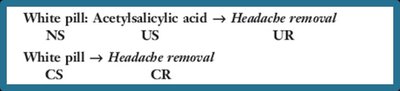
Medical Applications: Classical conditioning can explain phenomena such as conditioned allergic reactions and the placebo effect. For example, the appearance of a pill (CS) paired with its active ingredient (US) can elicit headache relief (CR) even when the pill contains no active ingredient.
Key Point: Conditioning principles are central to behavioral therapies and medical applications, demonstrating the broad impact of classical conditioning in psychology.
Summary Table: Classical Conditioning Theories and Applications
How Classical Conditioning Works | Practical Applications |
|---|---|
Stimulus-Substitution Theory | Understanding Phobias |
Preparatory-Response Theory | Classical Treatments for Phobias |
Compensatory-Response Model | Hybrid Treatments for Phobias |
Rescorla-Wagner Theory | Aversion Therapy |
Medical Applications |
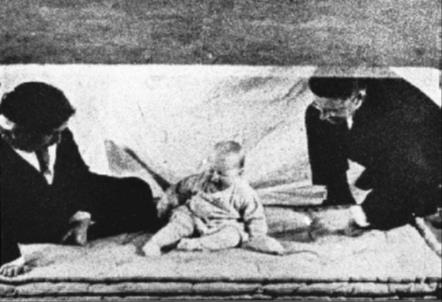
Example: The "Little Albert" experiment demonstrated classical conditioning of phobias in humans, where a child developed a fear of a white rat after it was paired with a loud noise.
Additional info: The notes cover Chapter 5 from Powell, Honey, & Symbaluk (2023), which is a standard text for learning and behavior in introductory psychology.
