 뒤로
뒤로Ancient Greek Society and the Rise of the Polis: Social Structure, Values, and Education
스터디 가이드 - 스마트 노트
 자료에 맞춘 맞춤형 노트, 핵심 정의, 예시, 맥락을 확장해 제공합니다.
Ancient Greek Society Before the Polis
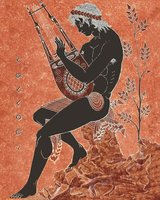
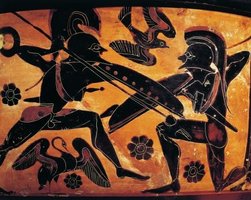
The Homeric World: Social Structure and Values
The earliest Greek societies, as depicted in the Iliad and Odyssey, were organized around a strict social hierarchy and elite values. These epic poems provide insight into the roles, expectations, and values of different social groups before the rise of the polis (city-state).
Hierarchy: Kings, princes, priests, lords, vassals, soldiers, servants, farmers, city-dwellers, and slaves formed a rigid social structure.
Elite Values: Martial prowess, hospitality, dignity, and peer-to-peer courtesy were highly esteemed among the elite.
Justice: Justice was seen as receiving one's due, often tied to power and generosity rather than abstract principles.
Role of the Common Man: Commoners had limited influence, with stories like Thersites in the Iliad illustrating the importance of respecting social order.
Society and Daily Life
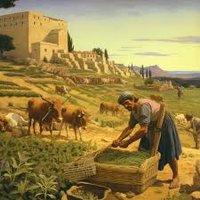
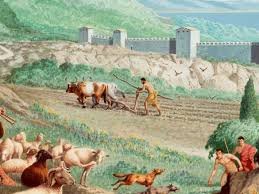
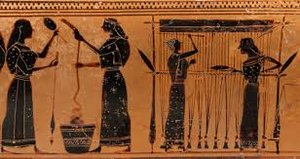
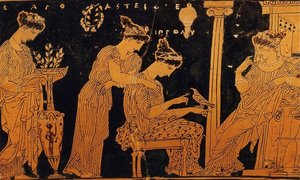
Life in early Greek society revolved around agriculture, domestic work, and the household economy. The division of labor was clear, with men typically working the land and women managing the household and textile production.
Economy: Centered on farming, animal husbandry, and household production.
Gender Roles: Men worked the fields; women were responsible for weaving, spinning, and managing the home.
The Rise of the Polis and Collective Values
Origins and Causes of the Polis
The collapse of the Mycenaean palace system led to the Greek Dark Age (1200–800 BCE), a period of instability and decline. The eventual recovery saw the emergence of the polis, a new form of social and political organization.
Key Developments: Increased agricultural production, population growth, colonization, and trade expansion.
Influences: Contact with Phoenicians, Egyptians, and others introduced new technologies and ideas, including the alphabet.
Military Organization: The rise of the hoplite farmer and collective military tactics reflected new social dynamics.
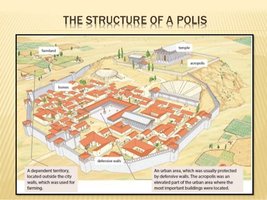
Social and Political Change
The polis fostered new forms of government, including tyrannies, oligarchies, and eventually democracies. Social mobility increased as middling farmers, traders, and artisans gained influence.
Political Forms: Tyrants often broke the power of old elites; oligarchies and democracies balanced interests of various groups.
Sparta vs. Athens: Sparta exemplified oligarchic, militaristic values; Athens became a center for democracy, trade, and culture.
Cultural Developments
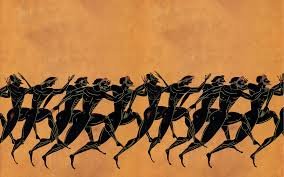
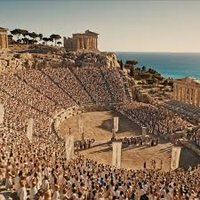
Panhellenic festivals like the Olympic Games and the Panathenaic festival reflected the importance of athletic competition, music, poetry, and drama in Greek society.
Olympic Games: Athletic competition became a means of expressing civic pride and elite status.
Festivals: Cultural events reinforced collective identity and civic participation.
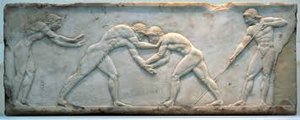
Education and Socialization in Archaic and Classical Greece
Educators and Methods
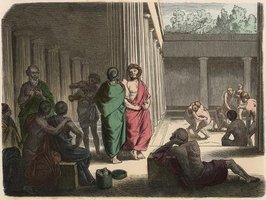
Education in archaic Greece was informal and centered on oral tradition, poetry, and mentorship. With the rise of the polis, education became more structured, especially for elites.
Poets and Rhapsodes: Homer, Hesiod, and others transmitted values and history through epic poetry.
Elementary Educators: Grammatists (literacy), kitharists (music), and paedotribes (physical training) taught basic skills.
Mentorship: Older male mentors guided young aristocrats, often through personal relationships.
Family: Fathers taught sons crafts and professions; priestesses provided education for elite girls.
Education for Citizenship in the Democratic Polis
The development of democracy in Athens required new skills and forms of education, emphasizing rhetoric, public speaking, and civic knowledge.
Skills for Citizenship: Rhetorical ability, teamwork, consensus-building, and legal knowledge were essential for participation in the assembly, council, and jury courts.
Public Participation: All citizens were expected to engage in civic life, including military service and public festivals.
The Sophists and the Rise of Professional Education
The Sophists were itinerant teachers who offered instruction in rhetoric, logic, and social theory, catering to those who aspired to political leadership in democratic city-states.
Key Figures: Protagoras, Gorgias, Hippias, Prodicus, and Thrasymachus.
Subjects Taught: Public speaking, literary analysis, logic, mathematics, and political theory.
Controversy: Sophists were criticized by philosophers like Plato for prioritizing persuasion over truth.
Philosophy and the Academy
Socrates and Plato marked a shift from sophistry to philosophy, emphasizing critical inquiry, ethical reflection, and the pursuit of truth. Plato's Academy became the first institution resembling a university in the Western tradition.
Socrates: Engaged citizens in dialogue about justice, virtue, and knowledge; executed for his influence on Athenian youth.
Plato: Founded the Academy, wrote philosophical dialogues, and theorized about the ideal state and the role of philosopher-kings.
Greek Medicine and Natural Science
Natural Philosophy
Ionian philosophers like Thales, Anaximander, and Democritus sought natural explanations for the world, laying the groundwork for science and rational inquiry.
Thales: Used geometry and mathematics to explain natural phenomena.
Anaximander: Proposed that nature operates according to laws and order.
Democritus: Introduced the concept of atoms as the fundamental building blocks of matter.
Greek Medicine
The Hippocratic School advanced the idea that illness had natural, not divine, causes. The theory of the four humors and careful clinical observation became central to Greek medicine.
Four Humors: Blood, phlegm, yellow bile, and black bile; health depended on their balance.
Clinical Observation: Emphasis on prognosis, diet, environment, and individualized treatment.
Sparta and Athens: Contrasting Models of the Polis
Spartan Oligarchy
Sparta was a closed, militaristic society governed by a small elite. Citizenship was limited, and the economy relied on serf labor.
Government: Council of elders, ephors, and two kings; citizen assembly had limited power.
Society: Emphasized discipline, martial values, and collective ethos.
Athenian Democracy
Athens developed a more inclusive and dynamic society, with broad citizen participation in government, culture, and the economy.
Government: Assembly of all citizens, council, and juries selected by lot.
Society: Valued debate, public speaking, individualism, and cultural achievement.
Table: Comparison of Sparta and Athens
Aspect | Sparta | Athens |
|---|---|---|
Government | Oligarchy (council, ephors, kings) | Democracy (assembly, council, juries) |
Citizenship | Elite landowners (<5%) | All native-born males (15–20%) |
Economy | Agriculture, serf labor | Trade, agriculture, maritime |
Society | Closed, conservative, martial | Open, dynamic, cultural |
Education | Military training, discipline | Rhetoric, arts, civic knowledge |
Conclusion
The transformation from the Homeric world to the polis marked a shift in Greek society from elite, martial values to collective civic participation and rational inquiry. Education evolved to meet the needs of new political structures, culminating in the development of philosophy, science, and democratic citizenship.
