 뒤로
뒤로Criminal Victimization in Canada, 2019: Sociological Perspectives and Data
스터디 가이드 - 스마트 노트
 자료에 맞춘 맞춤형 노트, 핵심 정의, 예시, 맥락을 확장해 제공합니다.
Deviance, Crime, and Social Control
Criminal Victimization in Canada: Overview
Criminal victimization refers to the experience of being the target of criminal acts, including both violent and non-violent offenses. The 2019 General Social Survey (GSS) on Victimization provides a comprehensive overview of the prevalence, characteristics, and impacts of crime in Canada, as well as factors influencing victimization and reporting to police.
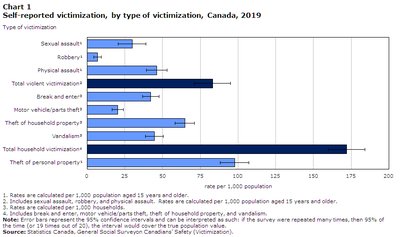
Victimization Rate: In 2019, 19% of Canadians or their households experienced one of eight types of crime measured by the GSS, totaling 8.3 million incidents.
Types of Crime: The majority (69%) of self-reported incidents were non-violent, with theft of personal property being the most common.
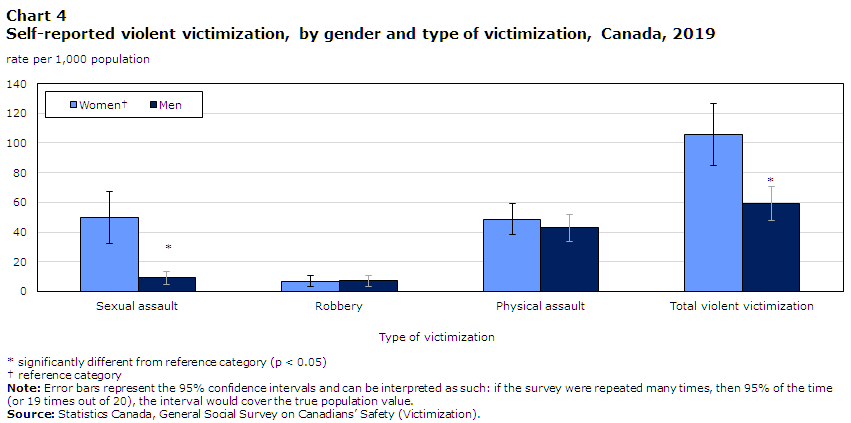
Gender Differences: Women were violently victimized at nearly double the rate of men, primarily due to higher rates of sexual assault.
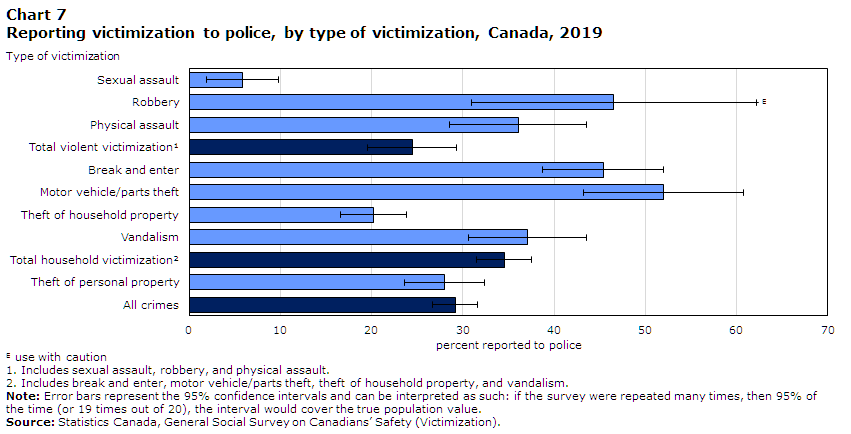
Reporting to Police: Only 29% of victimization incidents were reported to police, with significant variation by crime type.
Measuring Victimization: Survey Methods and Limitations
Official crime statistics often underestimate the true extent of crime due to underreporting. The GSS supplements police data by surveying Canadians about their experiences, including unreported incidents. The 2019 cycle included both online and telephone responses, which may affect comparability with previous years.
Dark Figure of Crime: Refers to crimes not reported to or recorded by authorities.
Survey Scope: The GSS asked about eight offense types: sexual assault, robbery, physical assault, theft of personal property, break and enter, theft of motor vehicle/parts, theft of household property, and vandalism.
Types of Victimization
Victimization is categorized into violent and non-violent (household and property) crimes.
Violent Victimization: Includes sexual assault, robbery, and physical assault. In 2019, there were 2.6 million incidents, or 83 per 1,000 Canadians aged 15+.
Household Victimization: Includes break and enter, theft of motor vehicle/parts, theft of household property, and vandalism. There were 2.6 million such incidents, or 172 per 1,000 households.
Theft of Personal Property: The most common crime, accounting for 37% of all incidents.
Demographic Patterns in Victimization
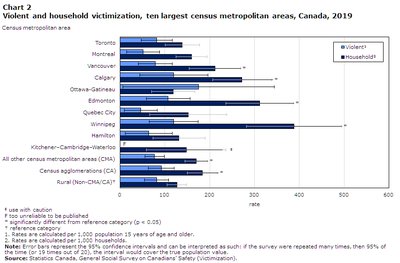
Victimization rates vary by age, gender, sexual orientation, Indigenous identity, disability status, and other factors.
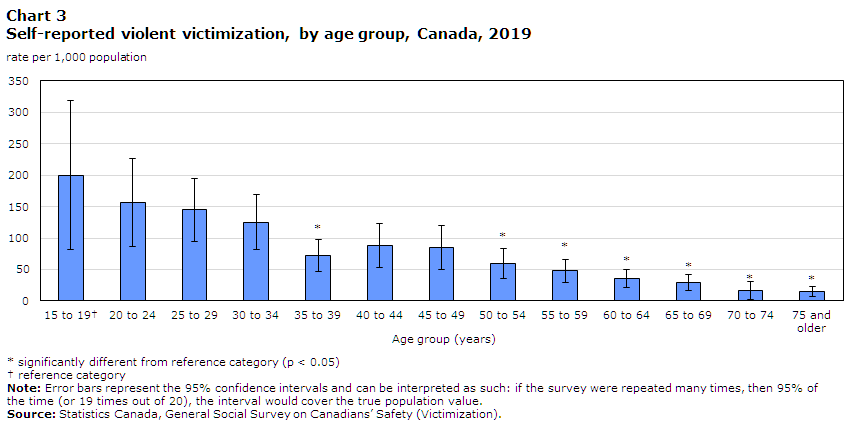
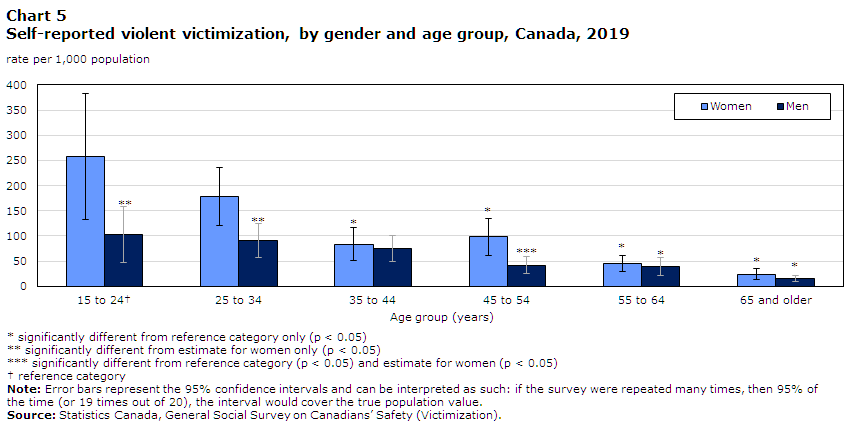
Age: Younger Canadians (15-24) experience the highest rates of violent victimization, with rates declining steadily with age.
Gender: Women are at higher risk, especially for sexual assault. The gender gap is most pronounced among those under 35.
Sexual Orientation: Bisexual Canadians report much higher rates of violent victimization, especially sexual assault, compared to heterosexuals.
Indigenous Identity: Indigenous people, especially Métis and Inuit, report higher victimization rates, though this is linked to other risk factors rather than identity alone.
Disability: People with disabilities, especially women, experience higher rates of violent victimization.
Social and Environmental Factors
Victimization is influenced by social environment, lifestyle, and past experiences.
Childhood Maltreatment: Experiencing physical or sexual abuse, harsh parenting, neglect, or witnessing violence in childhood increases the likelihood of adult victimization.
Lifestyle: Frequent evening activities and recent marijuana use are associated with higher victimization rates.
Homelessness: Those with experiences of homelessness are at much higher risk.
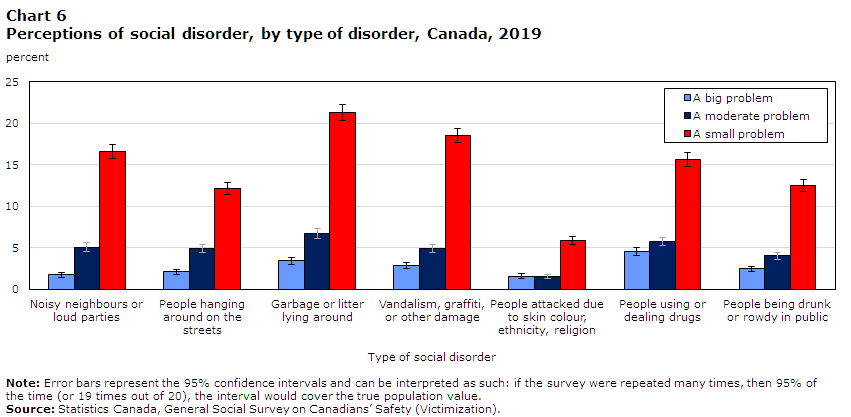
Neighbourhood Disorder: Perceptions of social disorder (e.g., vandalism, drug use) are linked to higher victimization rates.
Reporting Victimization to Police
Most crimes are not reported to police. Reporting rates vary by crime type, with sexual assault being the least reported.
Overall Reporting Rate: 29% of incidents were reported to police in 2019.
Sexual Assault: Only 6% of sexual assaults were reported, compared to about half of motor vehicle thefts and robberies.
Factors Influencing Reporting: Incidents involving weapons or resulting in injury are more likely to be reported. Women and younger victims are less likely to report.
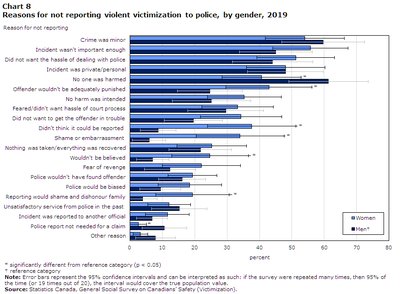
Reasons for Not Reporting: Common reasons include the crime being minor, not important, or not wanting the hassle. Women more often cite shame, fear of not being believed, or concerns about family dishonour.
Impacts and Consequences of Victimization
Victimization can have significant emotional and psychological effects, including symptoms consistent with post-traumatic stress disorder (PTSD).
Emotional Impact: 87% of victims reported some emotional impact.
Long-term Effects: 16% reported three or more long-term psychological consequences, such as nightmares, avoidance, or hypervigilance.
Service Use: Few victims (14%) accessed formal victim services, often because they felt the incident was too minor or did not want help.
Perceptions of Safety and Social Control
Perceptions of safety and crime are important for understanding social control and community well-being.
Personal Safety: 78% of Canadians were satisfied with their personal safety from crime in 2019.
Gender Differences: Women are less likely to feel safe, especially when walking alone at night.
Neighbourhood Perceptions: Most Canadians believe crime levels in their neighbourhood are stable or lower than elsewhere.
Protective Measures: 21% took measures to protect themselves or their property from crime in the past year.
Summary Table: Key Sociological Correlates of Victimization
Factor | Effect on Victimization |
|---|---|
Youth (15-24) | Higher risk |
Female gender | Higher risk, especially for sexual assault |
Bisexual orientation | Much higher risk |
Indigenous identity | Higher rates, but linked to other risk factors |
Disability | Higher risk, especially for women |
Childhood maltreatment | Significantly higher risk |
Homelessness | Much higher risk |
Neighbourhood disorder | Higher risk |
Conclusion
The 2019 GSS data highlight the complexity of criminal victimization in Canada, emphasizing the importance of considering demographic, social, and environmental factors. Understanding these patterns is essential for developing effective crime prevention and victim support strategies within the framework of sociology.
