Proteins may function as .
a. genetic material;
b. cholesterol molecules;
c. fat reserves;
d. enzymes;
e. all of the above
검증된 단계별 안내
1
Identify the primary functions of proteins in the body.
Consider the role of proteins in genetic material and if they serve as the main component.
Evaluate whether proteins function as cholesterol molecules or are involved in their synthesis.
Assess if proteins serve as fat reserves or are involved in other storage forms in the body.
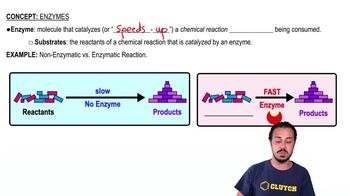
Analyze the role of proteins as enzymes, focusing on their function in catalyzing biochemical reactions.
비슷한 문제에 대한 검증된 영상 답변:
이 영상 해법은 위 문제에 도움이 된다고 튜터들이 추천한 것입니다.
영상 길이:
35s
영상 재생:
0 댓글
주요 개념
질문에 올바르게 답하기 위해 반드시 이해해야 하는 핵심 개념들은 다음과 같습니다.
Protein Functions
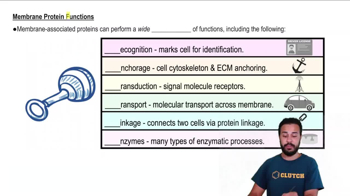
Proteins serve a variety of essential functions in biological systems. They act as enzymes to catalyze biochemical reactions, provide structural support in cells and tissues, and play roles in transport and signaling. Understanding these diverse functions is crucial for grasping the importance of proteins in living organisms.
Enzymes are specialized proteins that accelerate chemical reactions in the body. They lower the activation energy required for reactions, making processes like digestion and metabolism more efficient. Recognizing the role of enzymes is vital for understanding how proteins contribute to physiological functions.
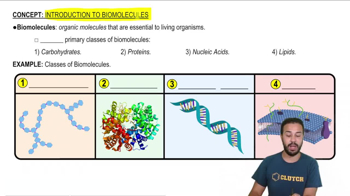
Biomolecules, including proteins, nucleic acids, lipids, and carbohydrates, are the building blocks of life. Each type of biomolecule has distinct roles; for instance, while proteins perform various functions, nucleic acids store genetic information. This context helps clarify why proteins cannot serve as genetic material or fat reserves.

 0:35분
0:35분 검증된 단계별 안내
 03:54
03:54