 뒤로
뒤로Anatomical Terms, Body Planes, Cavities, and Organ Systems: Foundational Concepts in Human Anatomy
스터디 가이드 - 스마트 노트
 자료에 맞춘 맞춤형 노트, 핵심 정의, 예시, 맥락을 확장해 제공합니다.
The Human Body: Anatomical Terms and Organ Systems
Anatomical Position and Body Planes
The anatomical position is a standardized posture used as a reference in describing the location and relation of body parts. Understanding body planes is essential for anatomical study and medical imaging.
Anatomical Position: Body erect, feet slightly apart, palms facing forward, thumbs pointing away from the body. Directional terms always refer to this position.
Body Planes:
Sagittal Plane: Divides the body into right and left parts. The midsagittal (median) plane lies on the midline; parasagittal planes are offset from the midline.
Frontal (Coronal) Plane: Divides the body into anterior (ventral) and posterior (dorsal) parts.
Transverse (Horizontal) Plane: Divides the body into superior and inferior parts, producing a cross-section.
Oblique Section: Cuts made at angles other than 90° to the vertical plane.
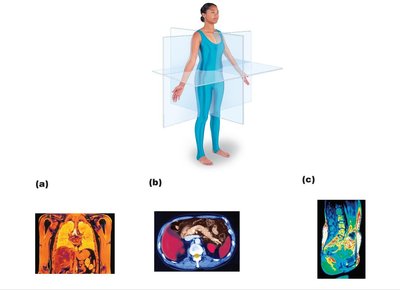
Example: MRI scans are often interpreted in reference to these planes to localize pathology.
Directional and Regional Terms
Directional terms describe the positions of structures relative to other structures or locations in the body. Regional terms specify particular areas within major body divisions.
Directional Terms:
Superior (cranial): Toward the head or upper part of a structure.
Inferior (caudal): Away from the head or toward the lower part of a structure.
Anterior (ventral): Toward the front of the body.
Posterior (dorsal): Toward the back of the body.
Medial: Toward the midline of the body.
Lateral: Away from the midline of the body.
Proximal: Closer to the origin of a body part or point of attachment.
Distal: Farther from the origin of a body part or point of attachment.
Superficial (external): Toward or at the body surface.
Deep (internal): Away from the body surface; more internal.
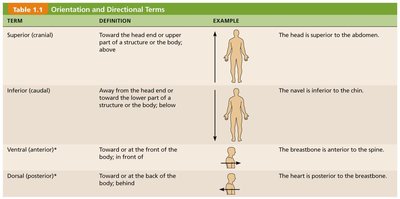
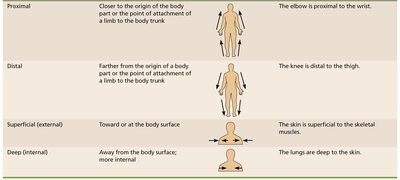
Example: The heart is posterior to the breastbone; the elbow is proximal to the wrist.
Regional Terms: Used to designate specific body areas, such as cephalic (head), cervical (neck), thoracic (chest), abdominal, pelvic, upper limb, lower limb, and back (dorsum).
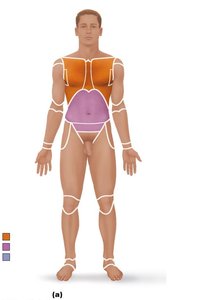
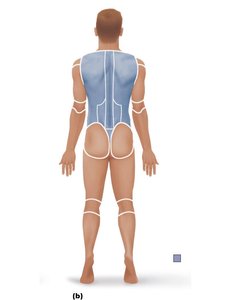
Example: The axillary region refers to the armpit area; the femoral region refers to the thigh.
Body Cavities and Serous Membranes
Major Body Cavities
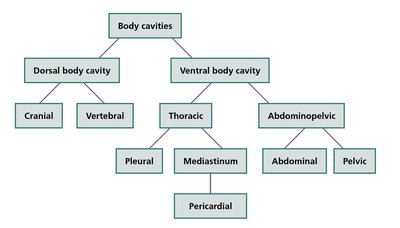
The human body contains internal cavities that protect organs and allow for organ movement and expansion. These are divided into dorsal and ventral body cavities, each with subdivisions.
Dorsal Body Cavity: Protects the nervous system and has two subdivisions:
Cranial cavity: Encloses the brain.
Vertebral cavity: Encloses the spinal cord.
Ventral Body Cavity: Houses internal organs (viscera) and is divided by the diaphragm into:
Thoracic cavity: Contains pleural cavities (lungs), mediastinum (including the pericardial cavity for the heart), and other thoracic organs.
Abdominopelvic cavity: Subdivided into the abdominal cavity (stomach, intestines, spleen, liver) and pelvic cavity (urinary bladder, reproductive organs, rectum).
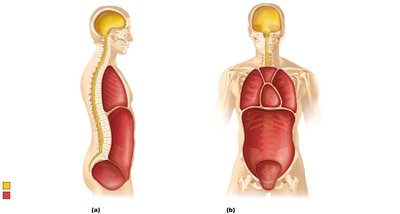
Example: The lungs are located in the pleural cavities, while the heart is in the pericardial cavity within the mediastinum.
Serous Membranes
Serous membranes (serosae) are thin, double-layered membranes that line body cavities and cover organs. They reduce friction between moving organs and cavity walls.
Parietal serosa: Lines the internal body cavity walls.
Visceral serosa: Covers the organs within the cavity.
Serous fluid fills the space between the layers, allowing smooth movement.
Named for their associated organs:
Pericardium: Heart
Pleurae: Lungs
Peritoneum: Abdominopelvic organs
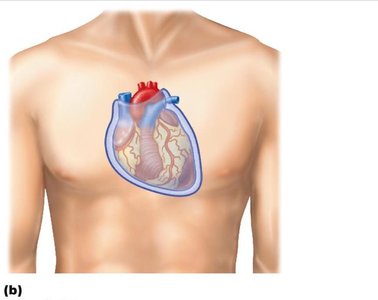
Example: Inflammation of the pericardium is called pericarditis.
Overview of Organ Systems
Major Organ Systems and Their Functions
The human body is organized into organ systems, each with specific functions essential for survival and homeostasis.
Integumentary System: Protects the body, synthesizes vitamin D, and houses sensory receptors.
Skeletal System: Supports and protects organs, provides a framework for movement, stores minerals, and forms blood cells.
Muscular System: Enables movement, maintains posture, and produces heat.
Nervous System: Fast-acting control system, responds to stimuli by activating muscles and glands.
Endocrine System: Glands secrete hormones that regulate growth, metabolism, and reproduction.
Cardiovascular System: Transports blood, nutrients, gases, and wastes; the heart pumps blood.
Lymphatic/Immune System: Returns leaked fluids to blood, disposes of debris, and houses immune cells.
Respiratory System: Supplies blood with oxygen and removes carbon dioxide.
Digestive System: Breaks down food, absorbs nutrients, and eliminates waste.
Urinary System: Eliminates nitrogenous wastes, regulates water, electrolytes, and acid-base balance.
Reproductive System: Produces offspring; testes produce sperm and male hormones, ovaries produce eggs and female hormones.
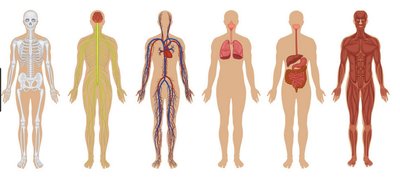
Example: The cardiovascular system works closely with the respiratory system to deliver oxygen to tissues and remove carbon dioxide.
Identification of Major Organs
Recognizing the location and appearance of major organs is fundamental for anatomical study and clinical practice.
Major organs include: Heart, lungs, liver, stomach, intestines, kidneys, bladder, brain, thyroid gland, spleen, pancreas, and reproductive organs.
Organs are located within specific body cavities and regions, as described above.
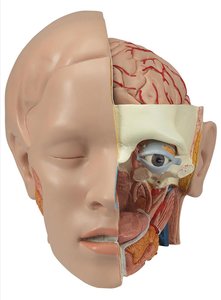
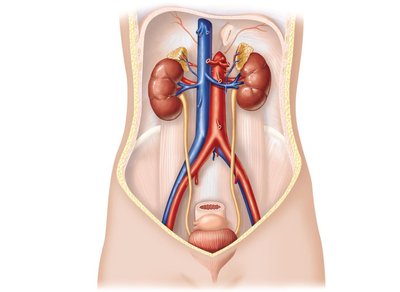
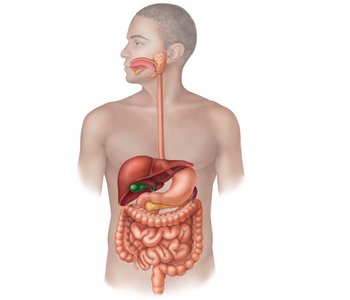
Example: The kidneys are retroperitoneal organs located in the posterior abdominal cavity.
Additional info: The above notes integrate foundational anatomical terminology, body orientation, and organ system overviews, which are essential for all subsequent study in Anatomy & Physiology. Mastery of these concepts is critical for understanding more advanced topics such as physiology, pathology, and clinical medicine.
