 뒤로
뒤로Anatomy & Physiology Unit 1–4 Exam Review: Human Body Orientation, Chemistry, Cells & Tissues, Integumentary System
스터디 가이드 - 스마트 노트
 자료에 맞춘 맞춤형 노트, 핵심 정의, 예시, 맥락을 확장해 제공합니다.
Introduction to Anatomy and Physiology
Definition and Relationship
Anatomy is the study of the structure and shape of the body and its parts, as well as their relationships to one another. Physiology is the study of how the body and its parts function. These two disciplines are closely related because the structure of a body part often determines its function.
Anatomy: Focuses on physical structures (e.g., bones, organs, tissues).
Physiology: Explains how those structures work (e.g., muscle contraction, nerve signaling).
Example: The thin walls of alveoli (anatomy) allow for efficient gas exchange (physiology).
Levels of Structural Organization
Hierarchy of Organization
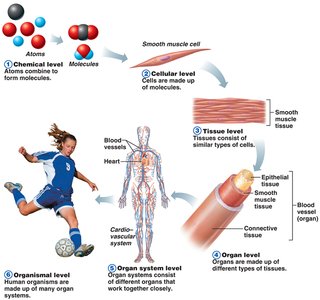
The human body is organized into six main levels, each building on the previous one:
Chemical Level: Atoms combine to form molecules (e.g., water, proteins).
Cellular Level: Cells are made up of molecules (e.g., muscle cells, nerve cells).
Tissue Level: Tissues consist of similar types of cells (e.g., epithelial tissue, muscle tissue).
Organ Level: Organs are made up of different types of tissues (e.g., heart, liver).
Organ System Level: Organ systems consist of different organs that work together (e.g., digestive system, cardiovascular system).
Organismal Level: The human organism is made up of many organ systems working together.
Directional and Location Terms
Directional Terms
Directional terms are used to describe the locations of structures relative to other structures or locations in the body.
Superior (cranial, cephalic): Toward the head or upper part of a structure; above.
Inferior (caudal): Away from the head or toward the lower part of a structure; below.
Anterior (ventral): Toward the front of the body.
Posterior (dorsal): Toward the back of the body.
Medial: Toward the midline of the body.
Lateral: Away from the midline of the body.
Proximal: Closer to the origin of the body part or point of attachment.
Distal: Farther from the origin of the body part or point of attachment.
Superficial: Toward or at the body surface.
Deep: Away from the body surface; more internal.
Body Cavities
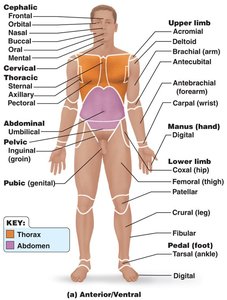
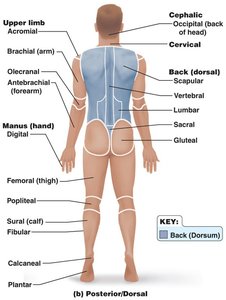
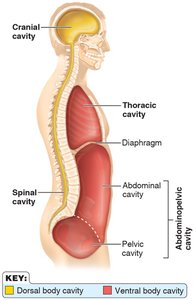
The body contains several cavities that house and protect vital organs.
Dorsal Body Cavity: Includes the cranial cavity (brain) and spinal cavity (spinal cord).
Ventral Body Cavity: Includes the thoracic cavity (heart, lungs) and abdominopelvic cavity (digestive organs, reproductive organs, bladder).
Body Planes and Sections
Body planes are imaginary lines used to divide the body into sections for anatomical study.
Sagittal Plane: Divides the body into left and right parts.
Median (Midsagittal) Plane: Divides the body into equal left and right halves.
Frontal (Coronal) Plane: Divides the body into anterior and posterior parts.
Transverse (Cross) Plane: Divides the body into superior and inferior parts.
Basic Chemistry for Anatomy & Physiology
Atoms, Elements, and Subatomic Particles
All matter is composed of atoms, which are the smallest units of elements. Elements are substances that cannot be broken down into simpler substances by chemical means.
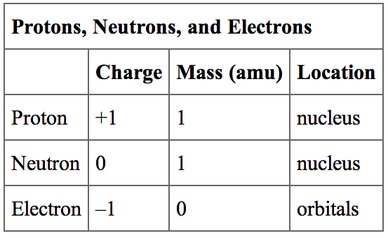
Protons: Positive charge, found in the nucleus.
Neutrons: No charge, found in the nucleus.
Electrons: Negative charge, found in orbitals around the nucleus.
Major Elements in the Human Body
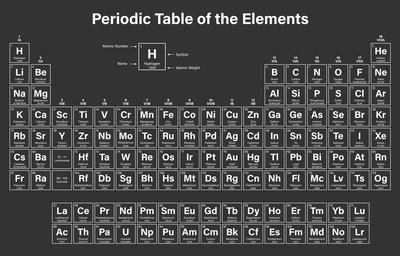
Four elements make up about 96% of the human body: oxygen, carbon, hydrogen, and nitrogen.
Oxygen (O): 65%
Carbon (C): 18%
Hydrogen (H): 10%
Nitrogen (N): 3%
Water and Its Properties
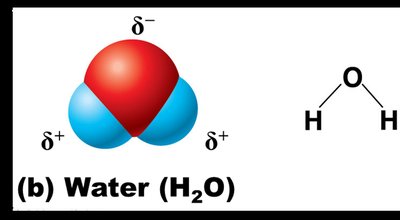
Water is the most abundant inorganic compound in the body and is essential for life due to its unique properties:
High Heat Capacity: Absorbs and releases heat slowly, helping to maintain body temperature.
Polarity/Solvent Properties: Universal solvent, allowing many substances to dissolve and react.
Chemical Reactivity: Participates in hydrolysis and other reactions.
Cushioning: Protects organs (e.g., cerebrospinal fluid, amniotic fluid).
Macromolecules
Carbohydrates: Sugars and starches; main energy source.
Lipids: Fats, oils, and steroids; energy storage, cell membranes.
Proteins: Made of amino acids; structure, enzymes, hormones, antibodies.
Enzymes: Biological catalysts that speed up chemical reactions (e.g., hydrolase, oxidase).
Cells and Tissues
Cell Structure and Organelles
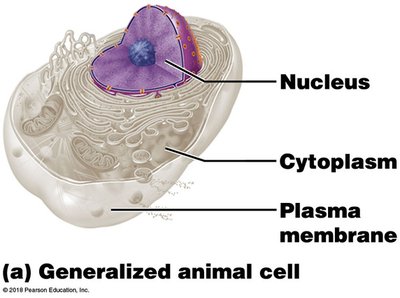
Cells are the basic units of life. Each cell contains specialized structures called organelles that perform specific functions.
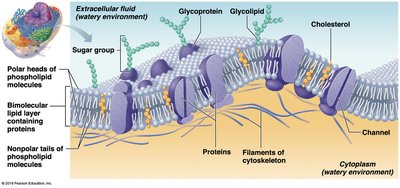
Plasma Membrane: Phospholipid bilayer with proteins and cholesterol; controls entry and exit of substances.
Nucleus: Control center containing DNA; directs cell activities.
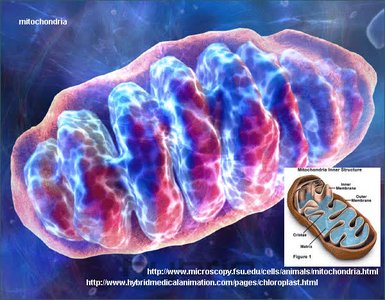
Mitochondria: Site of ATP (energy) production.
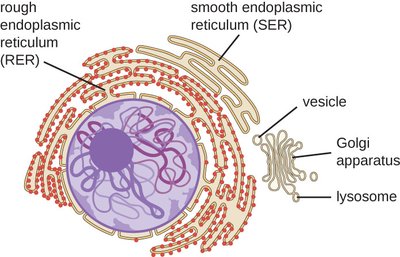
Endoplasmic Reticulum (ER): Rough ER synthesizes proteins; smooth ER synthesizes lipids and detoxifies chemicals.
Golgi Apparatus: Modifies, sorts, and packages proteins and lipids for transport.
Lysosomes: Digestive enzymes for breaking down waste.
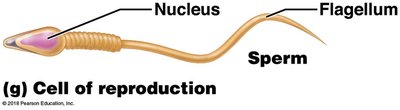
Cell Extensions: Cilia (movement of substances), flagella (cell movement), microvilli (increase surface area).
Tissues
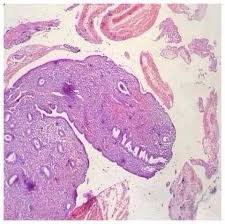
Tissues are groups of similar cells that perform a common function. There are four primary tissue types:
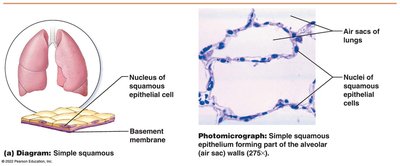
Epithelial Tissue: Covers body surfaces, lines cavities, forms glands. Functions include protection, absorption, filtration, and secretion.
Connective Tissue: Supports, protects, and binds other tissues. Types include bone, cartilage, dense connective tissue, loose connective tissue, and blood.
Muscle Tissue: Responsible for movement. Types include skeletal, cardiac, and smooth muscle.
Nervous Tissue: Receives and transmits impulses; composed of neurons and supporting cells (neuroglia).
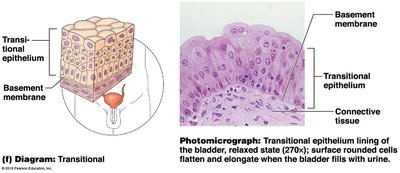
Tissue Repair
Tissue repair occurs through regeneration (replacement by the same kind of cells) or fibrosis (replacement by scar tissue). The process involves inflammation, formation of granulation tissue, and regeneration or fibrosis.
Tissues that regenerate easily: Epithelial tissue, fibrous connective tissue, bone.
Tissues that regenerate poorly: Skeletal muscle.
Tissues replaced largely with scar tissue: Cardiac muscle, nervous tissue in brain and spinal cord.
Integumentary System
Functions and Structure
The integumentary system (skin, hair, nails, glands) is the largest organ system and serves as the first line of defense against the environment. It protects deeper tissues, regulates body temperature, synthesizes vitamin D, and contains sensory receptors.
Protection: Mechanical, chemical, UV, and thermal protection.
Temperature Regulation: Sweat glands and blood vessels help maintain homeostasis.
Excretion: Removal of urea and other wastes via sweat.
Synthesis: Vitamin D production from cholesterol in the skin under sunlight.
Skin Layers
Epidermis: Outermost, avascular, made of epithelial tissue; replaced every 4–6 weeks.
Dermis: Middle layer, contains connective tissue, blood vessels, nerves, glands, and hair follicles.
Hypodermis (Subcutaneous): Deepest layer, mainly adipose tissue for insulation and cushioning.
Epidermal Layers (from superficial to deep)
Stratum Corneum: Dead keratinized cells.
Stratum Lucidum: Clear layer, only in thick skin (palms, soles).
Stratum Granulosum: Keratinization begins.
Stratum Spinosum: Mitosis occurs here.
Stratum Basale: Stem cells, melanocytes, Merkel cells, Langerhans cells.
Skin Proteins
Keratin: Durable, water-resistant protein in skin, hair, and nails.
Collagen: Provides toughness and hydration.
Elastin: Gives skin elasticity; decreases with age.
Skin Appendages
Hair: Made of keratinized epithelial cells; produced in hair follicles.
Nails: Keratinized plates protecting fingers and toes.
Glands: Sebaceous (oil), sweat (eccrine, apocrine), mammary, ceruminous (earwax).
Skin Color
Melanin: Pigment produced by melanocytes; protects against UV radiation.
Genetics and environment influence skin, hair, and eye color.
Burns and Cancer
Burns: Classified by depth (1st, 2nd, 3rd degree); affect different layers of skin.
Skin Cancer: Early detection is key; ABCDE rule helps identify melanoma (Asymmetry, Border, Color, Diameter, Evolving).
Homeostasis
The skin helps maintain homeostasis by regulating temperature (vasoconstriction and vasodilation) and excreting wastes through sweat.
*Additional info: This guide covers the foundational concepts from the first four chapters of a typical Anatomy & Physiology course, including human body orientation, basic chemistry, cells and tissues, and the integumentary system. For exam preparation, focus on definitions, examples, and the relationships between structure and function.*
