 뒤로
뒤로Chapter 1: Introduction to Anatomy & Physiology - Structured Study Notes
스터디 가이드 - 스마트 노트
 자료에 맞춘 맞춤형 노트, 핵심 정의, 예시, 맥락을 확장해 제공합니다.
Introduction to Anatomy & Physiology
Definitions and Scope
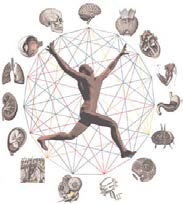
Anatomy and physiology are foundational sciences for understanding the structure and function of the human body. Anatomy is the study of body structure, while physiology focuses on the functions of those structures.
Anatomy: Types include systemic, regional, surface, gross, and microscopic (e.g., cytology, histology).
Physiology: Types include neurophysiology and cardiovascular physiology.
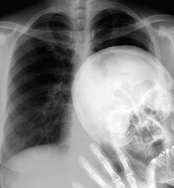
Methods of Study: Observation, manipulation, palpation, auscultation, and imaging are used to study anatomy; physiology relies on physical and chemical principles, experimentation, and comparative studies.
Anatomical Variability
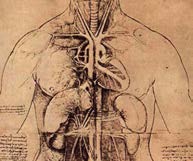
Humans exhibit both external and internal variability. Approximately 90% of anatomical structures match textbook descriptions, but normal variations exist, such as differences in the branching of the aorta.

Characteristics of Life
Living organisms share several key characteristics that distinguish them from non-living matter:
Cellular composition: All living things are composed of cells.
Metabolism: Includes anabolism (building up) and catabolism (breaking down) of substances.
Growth: Increase in size and number of cells.
Excretion: Removal of waste products.
Responsiveness: Ability to sense and react to stimuli.
Movement: Both internal and external movement.
Reproduction: Production of new cells or organisms.
Levels of Structural Organization
Hierarchy of Organization
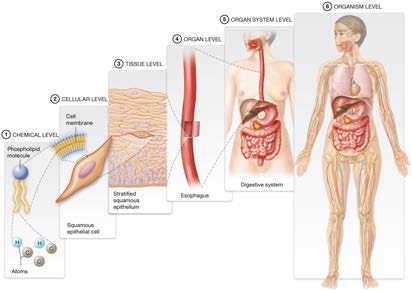
The human body is organized into a hierarchy of structural levels:
Chemical level: Atoms and molecules.
Cellular level: Cells and their organelles.
Tissue level: Groups of similar cells.
Organ level: Structures composed of multiple tissue types.
Organ system level: Groups of organs working together.
Organism level: The complete living being.
Body Systems Overview
The Eleven Body Systems
The human body is divided into eleven major organ systems, each with specific functions:
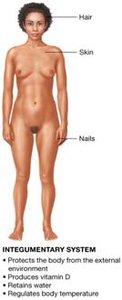
Integumentary System: Protection, vitamin D production, water retention, temperature regulation.
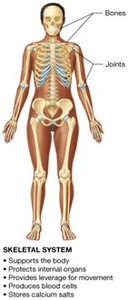
Skeletal System: Support, protection, movement, blood cell production, calcium storage.
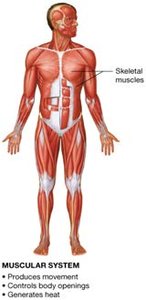
Muscular System: Movement, control of body openings, heat generation.
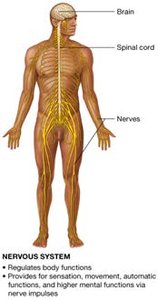
Nervous System: Regulation, sensation, movement, mental functions.
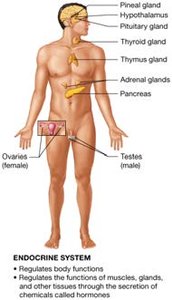
Endocrine System: Regulation via hormones.
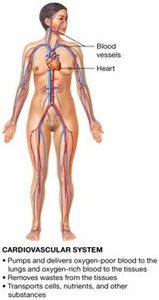
Cardiovascular System: Transport of blood, nutrients, wastes.
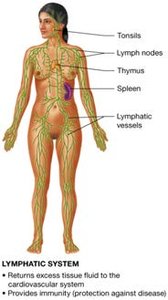
Lymphatic/Immune System: Fluid return, immunity.
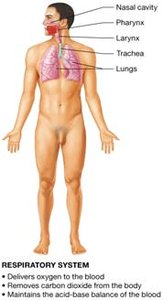
Respiratory System: Gas exchange, acid-base balance.
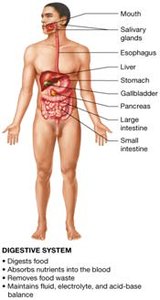
Digestive System: Food digestion, nutrient absorption, waste removal.
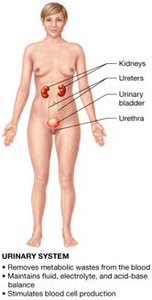
Urinary System: Waste removal, fluid/electrolyte balance, blood cell production.
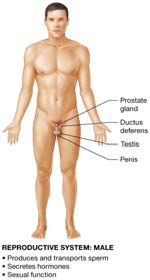
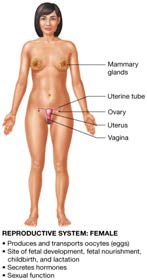
Reproductive System: Production of gametes, hormones, sexual function.
Anatomical Language
Importance and Structure
Anatomical terminology is essential for precise localization, explanation, and communication in medical and scientific contexts. Terms are structured using root words, prefixes, and suffixes.
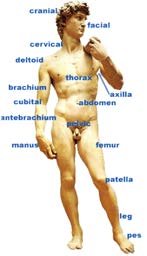
Anatomical Position and Directional Terms
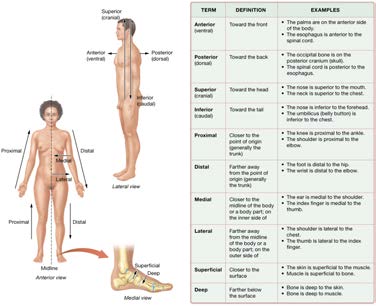
The anatomical position is the standard reference for describing locations and directions on the body: standing upright, feet shoulder-width apart, arms at sides, head and palms forward. Supine is lying face up; prone is lying face down.
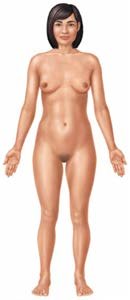
Anterior (Ventral): Front of body.
Posterior (Dorsal): Back of body.
Superior (Cranial): Toward the head.
Inferior (Caudal): Toward the tail.
Proximal: Closer to point of origin.
Distal: Farther from point of origin.
Medial: Closer to midline.
Lateral: Farther from midline.
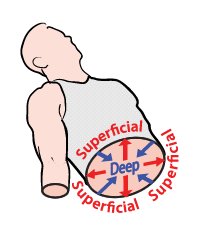
Superficial: Closer to surface.
Deep: Further from surface.
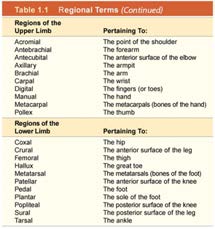
Regional Terms
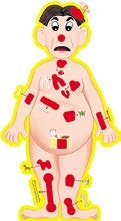
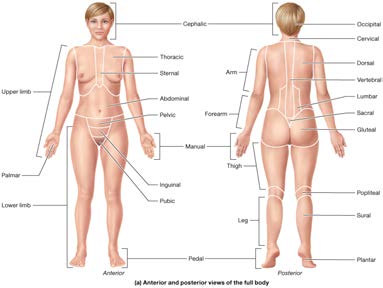
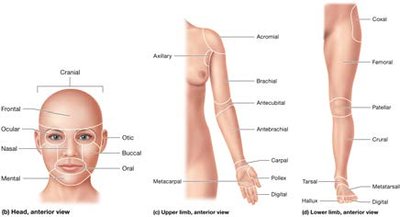
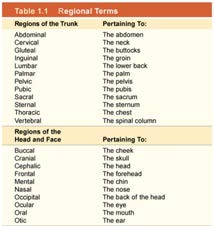
The body is divided into two broad regions: axial (head, neck, trunk) and appendicular (upper and lower limbs). Regional terms designate smaller areas within these regions.
Region | Pertaining To |
|---|---|
Abdominal | The abdomen |
Cervical | The neck |
Gluteal | The buttocks |
Lumbar | The lower back |
Palmar | The palm |
Pelvic | The pelvis |
Sacral | The sacrum |
Sternal | The sternum |
Thoracic | The chest |
Vertebral | The spinal column |
Buccal | The cheek |
Cranial | The head |
Frontal | The forehead |
Mental | The chin |
Nasal | The nose |
Occipital | The back of the head |
Ocular | The eye |
Oral | The mouth |
Otis | The ear |

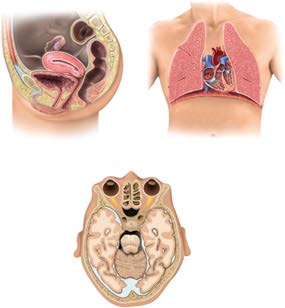
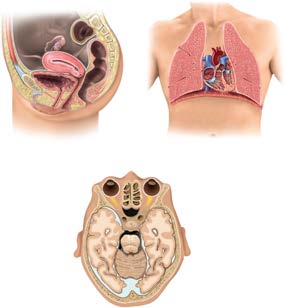
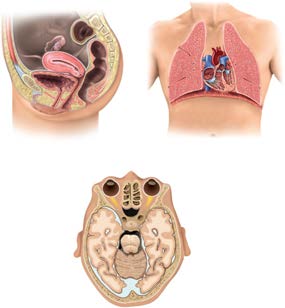
Planes of Section
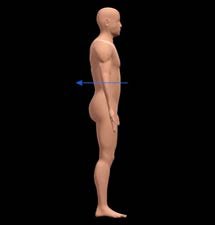
Three primary planes are used to describe sections of the body:
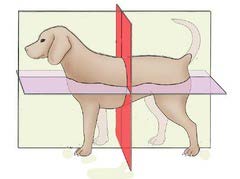
Sagittal plane: Divides body into right and left parts (midsagittal and parasagittal).
Frontal (coronal) plane: Divides body into anterior and posterior parts.
Transverse (horizontal) plane: Divides body into superior and inferior parts.
Oblique section: Cuts at an angle.
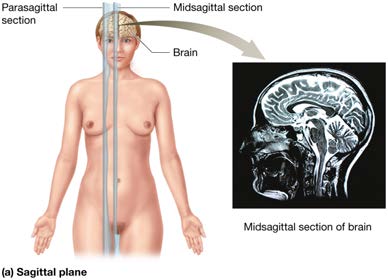
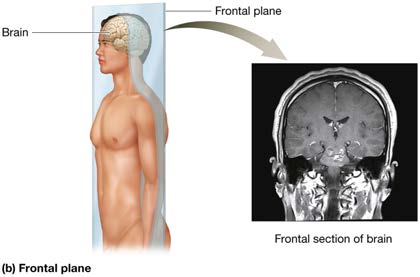
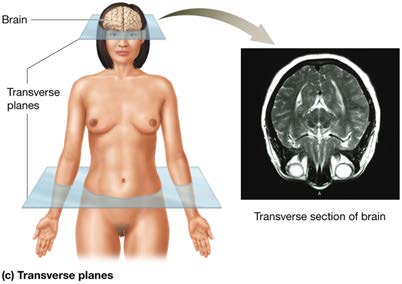
Body Cavities
Major Body Cavities
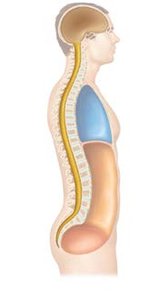
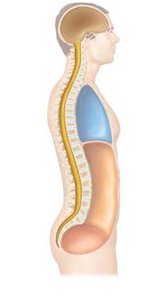
The body contains two major cavities:
Posterior body cavity: Includes cranial and vertebral (spinal) cavities.
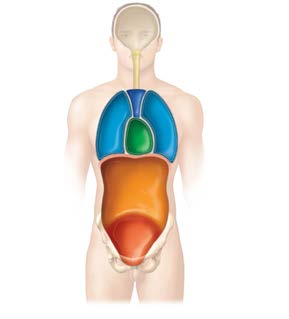
Anterior body cavity: Includes thoracic and abdominopelvic cavities, separated by the diaphragm.
Thoracic and Abdominopelvic Subdivisions
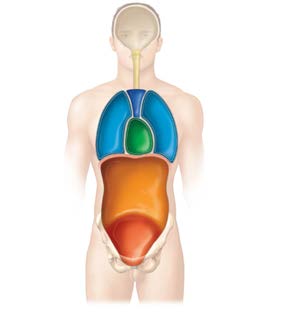
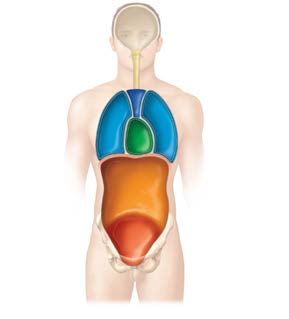
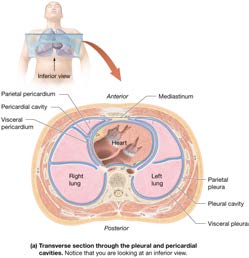
Thoracic cavity: Pleural cavities (lungs), mediastinum, pericardial cavity (heart).
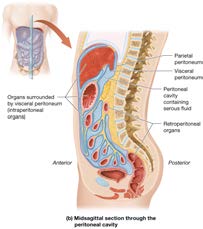
Abdominopelvic cavity: Abdominal cavity (digestive organs), pelvic cavity (reproductive organs).
Abdominopelvic Quadrants and Regions
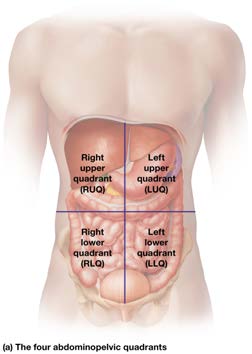
Quadrants: Right upper (RUQ), left upper (LUQ), right lower (RLQ), left lower (LLQ).
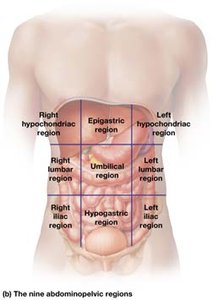
Regions: Nine regions including epigastric, umbilical, hypogastric, and others.
Serous Membranes
Structure and Function
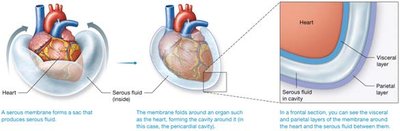
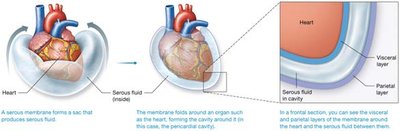
Serous membranes (serosa) are thin, double-layered membranes found in the anterior body cavity. The visceral layer covers organs, while the parietal layer lines cavity walls. The cavity between is filled with serous fluid, reducing friction.
Examples: Pleural (lungs), pericardial (heart), peritoneal (abdominal organs).
Homeostasis
Definition and Importance
Homeostasis is the maintenance of a relatively stable internal environment despite continuous external changes. It is a dynamic equilibrium, essential for health and survival.
Physiological processes operate to maintain homeostasis.
Variables are controlled within a narrow range of normal.
Imbalances can lead to disease or death.
Homeostatic Control Mechanism
Receptor (Sensor): Monitors environment and responds to stimuli.
Control Center: Determines set point, receives input, and directs response.
Effector: Receives output and provides response, reducing or enhancing stimulus.
Feedback Loops
Negative Feedback: Most common; opposes initial change, returning variable to normal. Examples: body temperature, blood glucose, blood pressure.
Positive Feedback: Amplifies initial change; controls infrequent events. Examples: labor contractions, blood clotting.
Core Principles in Anatomy & Physiology
Four Core Principles
Feedback loops: Mechanisms for maintaining homeostasis.
Complementarity of structure & function: Structure determines function.
Gradients: Differences in concentration, pressure, or temperature drive physiological processes.
Cell-to-cell communication: Essential for coordination and regulation.
Example: Negative feedback loop regulating blood glucose: When blood glucose rises, receptors signal the control center (pancreas), which releases insulin (effector) to lower glucose levels.
Additional info: The notes have been expanded with academic context and examples to ensure completeness and clarity for exam preparation.
