 뒤로
뒤로Chapter 1: Introduction to Anatomy & Physiology – Study Notes
스터디 가이드 - 스마트 노트
 자료에 맞춘 맞춤형 노트, 핵심 정의, 예시, 맥락을 확장해 제공합니다.
Introduction to Anatomy & Physiology
Overview
This chapter introduces the foundational concepts of anatomy and physiology, including definitions, organizational levels, medical terminology, anatomical directions, body cavities, and the principles of homeostasis. Mastery of these topics is essential for understanding the structure and function of the human body.
Using the Text and Art Effectively
Strategies for Learning
Text-Art Integration: Figures are placed near relevant text to reinforce concepts visually.
Learning Outcomes: Focus on these objectives as they guide your study and are directly linked to assessments.
Active Engagement: Communicate with instructors, follow the syllabus, and utilize available study tools for success.

Defining Anatomy and Physiology
Key Concepts and Specialties
Anatomy: The study of internal and external body structures and their relationships.
Physiology: The study of how living organisms perform vital functions.
Principle of Complementarity: Structure and function are closely related; specific functions are performed by specific structures.
Types of Anatomy
Gross (Macroscopic) Anatomy: Study of large, visible structures.
Microscopic Anatomy: Study of structures requiring magnification (cells and tissues).
Specialties: Surface, regional, sectional, systemic, clinical, pathological, radiologic, surgical, developmental, and embryology.
Types of Physiology
Cell Physiology: Functions of cells and their chemical processes.
Organ Physiology: Functions of specific organs.
Systemic Physiology: Functions of organ systems.
Pathological Physiology: Effects of diseases on organs or systems.
Clinical Application: Physicians use anatomical, physiological, chemical, and psychological information to diagnose and treat patients, employing the scientific method for evidence-based practice.
Levels of Organization in the Human Body
Hierarchy from Simple to Complex
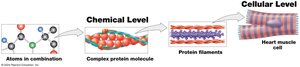
Chemical Level: Atoms and molecules (e.g., proteins, DNA).
Cellular Level: Cells, the smallest living units.
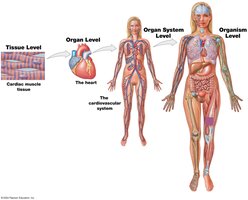
Tissue Level: Groups of similar cells performing specific functions.
Organ Level: Two or more tissues working together (e.g., heart).
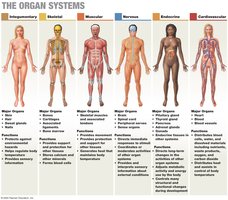
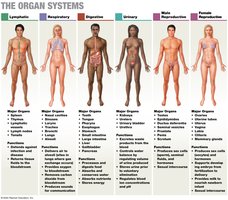
Organ System Level: Groups of organs performing related functions (11 major systems in humans).
Organism Level: The complete individual.
Medical Terminology
Origins and Importance
Word Roots, Prefixes, Suffixes: Understanding these components aids in deciphering medical terms.
Standardization: Most eponyms (names based on discoverers) are replaced by precise, descriptive terms for clarity and consistency.
Example: The term "brachial" refers to the arm, derived from Latin.
Anatomical Terminology
Body Regions, Sections, and Positions
Surface Anatomy: Identifying structures on or near the body surface using anatomical landmarks.
Anatomical Position: Standard reference with body upright, hands at sides, palms forward, feet together.
Directional Terms: Used to describe locations (e.g., anterior/posterior, superior/inferior).
Supine: Lying face up; Prone: Lying face down.
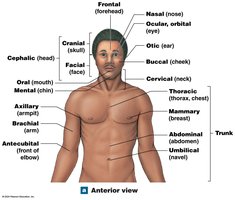
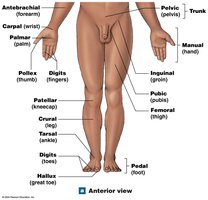
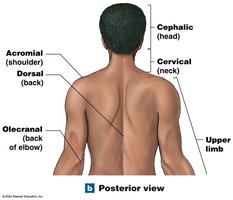
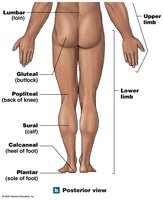
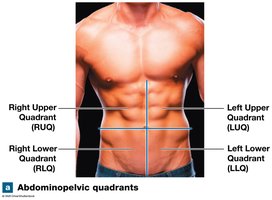
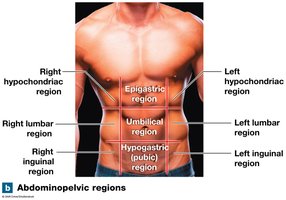
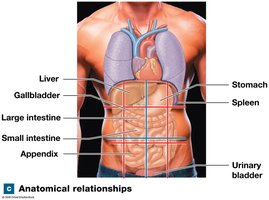
Abdominopelvic Quadrants and Regions
Quadrants: Right Upper (RUQ), Left Upper (LUQ), Right Lower (RLQ), Left Lower (LLQ).
Regions: Nine regions for more precise localization (e.g., epigastric, umbilical, hypogastric).
Sectional Anatomy
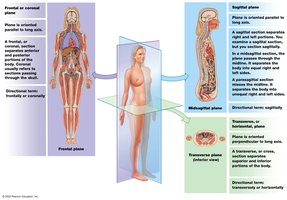
Section: A slice through a three-dimensional object, used to visualize internal structures.
Planes:
Frontal (Coronal) Plane: Divides body into anterior and posterior parts.
Sagittal Plane: Divides body into left and right parts (midsagittal = equal halves; parasagittal = unequal).
Transverse (Horizontal) Plane: Divides body into superior and inferior parts.
Body Cavities
Major Cavities and Their Functions
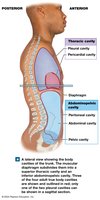
Body Cavities: Closed, fluid-filled spaces lined by serous membranes, containing vital organs (viscera).
Functions: Protect organs from shock, allow organ movement and size changes.
Serous Membranes
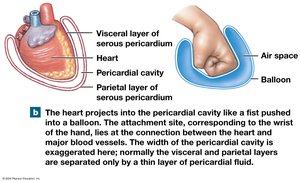
Parietal Layer: Lines the cavity wall.
Visceral Layer: Covers the organ.
Serous Fluid: Reduces friction between layers.
Thoracic Cavity
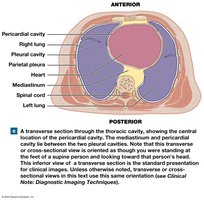
Pleural Cavities: Surround the lungs.
Pericardial Cavity: Surrounds the heart, within the mediastinum.
Mediastinum: Central compartment containing the heart, trachea, esophagus, thymus, and major vessels.
Abdominopelvic Cavity
Abdominal Cavity: Contains digestive organs; most are within the peritoneal cavity.
Retroperitoneal Space: Area behind the peritoneum (e.g., kidneys, pancreas).
Pelvic Cavity: Contains reproductive organs, rectum, urinary bladder; includes infraperitoneal organs (below peritoneal cavity).
Homeostasis
Maintaining Internal Stability
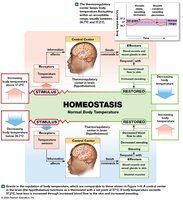
Homeostasis: The body's ability to maintain a stable internal environment despite external changes.
Variables: Body temperature, blood pressure, pH, etc., are kept within normal ranges.
Homeostatic Regulation Mechanisms
Autoregulation: Local, automatic adjustment by cells, tissues, or organs.
Extrinsic Regulation: Controlled by nervous (fast, short-term) or endocrine (slower, long-term) systems.
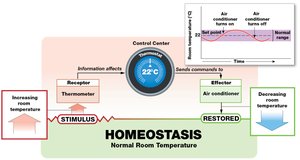
Components: Receptor (detects change), Control Center (processes info), Effector (carries out response).
Negative and Positive Feedback
Feedback Mechanisms in Homeostatic Regulation
Negative Feedback: The effector's response negates the original stimulus, maintaining variables within a normal range (e.g., body temperature regulation).
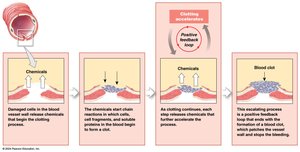
Positive Feedback: The response amplifies the original stimulus, used for rapid completion of processes (e.g., blood clotting).
Systems Integration and Dynamic Equilibrium
Systems Integration: Organ systems interact to maintain homeostasis; changes in one system affect others.
Dynamic Equilibrium: Physiological systems continually adapt to changing conditions; normal ranges may vary.
Failure of Homeostasis: Leads to disease or death.
Table: Roles of Organ Systems in Homeostatic Regulation
Organ System | Main Function in Homeostasis |
|---|---|
Integumentary | Protects against environmental hazards; helps regulate body temperature |
Skeletal | Provides support; stores minerals; forms blood cells |
Muscular | Provides movement; generates heat |
Nervous | Directs immediate responses to stimuli; coordinates activities of other systems |
Endocrine | Directs long-term changes in other organ systems |
Cardiovascular | Distributes blood cells, water, nutrients, wastes, and heat |
Lymphatic | Defends against infection and disease |
Respiratory | Delivers air to sites where gas exchange occurs |
Digestive | Processes food and absorbs nutrients |
Urinary | Eliminates excess water, salts, and wastes |
Reproductive | Produces sex cells and hormones |
Additional info: This table summarizes the primary roles of each organ system in maintaining homeostasis, as inferred from the chapter's content and standard A&P curriculum.
