 뒤로
뒤로Chapter 1: The Human Body – An Orientation (Anatomy & Physiology Study Notes)
스터디 가이드 - 스마트 노트
 자료에 맞춘 맞춤형 노트, 핵심 정의, 예시, 맥락을 확장해 제공합니다.
Origins of Medical Science
Historical Development of Anatomy & Physiology
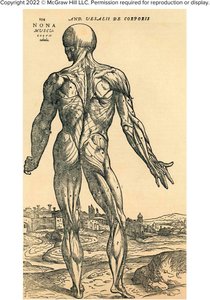
The study of the human body began with early healers who relied on superstition and magic. Over time, careful observation of injuries, wound healing, and the examination of dead bodies led to the development of medical science. Experimentation and the creation of new terminology advanced the fields of anatomy and physiology. The dissection of corpses provided critical insights into human structure and function.
Anatomy & Physiology: Definitions and Relationship
Key Concepts
Anatomy: The study of the structure (morphology) of the human body and its parts. The term is derived from the Greek for “a cutting up.”
Physiology: The study of the functions of the human body and its parts. The term is derived from the Greek for “relationship to nature.”
The structure of organs and body parts determines their function, illustrating the principle that structure and function are interrelated.
Levels of Organization
Hierarchy from Atoms to Organism
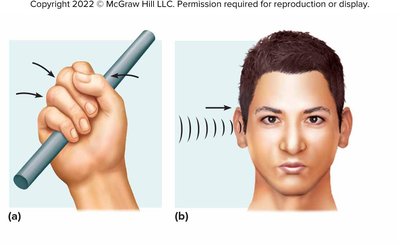
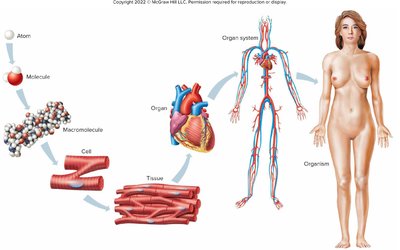
All living and non-living materials are composed of chemicals, which are organized into increasing levels of complexity:
Subatomic Particles: Protons, neutrons, and electrons
Atom: Smallest unit of an element (e.g., hydrogen, carbon)
Molecule: Two or more atoms joined together (e.g., water, glucose)
Macromolecule: Large molecules (e.g., DNA, proteins)
Organelle: Functional parts of a cell (e.g., mitochondrion, lysosome)
Cell: Basic unit of structure and function (e.g., muscle, nerve, blood cell)
Tissue: Group of similar cells with a specific function (e.g., adipose tissue)
Organ: Group of different tissues with a function (e.g., heart, kidney)
Organ System: Group of organs with a common function (e.g., digestive system)
Organism: Composed of interacting organ systems (e.g., human)
Clinical Application: Noninvasive Imaging
Techniques for Visualizing Internal Structures
Ultrasound: Uses high-frequency sound waves to image soft tissues; commonly used for fetal imaging.
X-Ray: Uses X-rays to create 2D images of body structures.
Computed Tomography (CT): Uses X-rays to create 3D images of body structures.
Magnetic Resonance Imaging (MRI): Uses magnetic fields to produce high-resolution images, especially of soft tissues like the brain.
Core Themes of Anatomy & Physiology
Key Concepts and Mechanisms
The Cell: All living things are composed of cells.
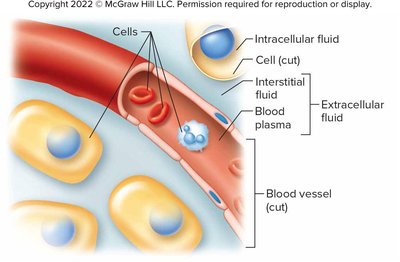
Internal Environment: The environment within the body that must be maintained.
Homeostasis: The maintenance of a stable internal environment.
Interdependency of Cells: Cells rely on each other for survival and function.
Structure and Function: The form of a structure is closely related to its function.
Gradients and Permeability: Substances move down gradients (pressure, concentration) across membranes.
Cellular Differentiation: Cells become specialized through gene expression.
Cell Membrane Mechanisms: Regulate entry/exit of substances and respond to signals.
Cell-to-Cell Communication: Occurs via membrane receptors.
Feedback Loops: Maintain stability through homeostatic mechanisms.
Balance: Replacement and elimination of substances to maintain equilibrium.
Energy Processes: Provide energy for cellular activities.
Characteristics of Life
Essential Properties of Living Organisms
Growth: Increase in cell number, size, and overall body size.
Reproduction: Production of new cells and organisms.
Responsiveness: Ability to sense and react to changes.
Movement: Change in position or location; movement of internal organs.
Metabolism: Sum of all chemical reactions in the body, including energy production and nutrient cycling.
Respiration: Obtaining oxygen and removing carbon dioxide to produce energy.
Digestion: Breaking down food into absorbable nutrients.
Circulation: Movement of substances throughout the body.
Excretion: Removal of waste products.
Requirements of Organisms
Environmental Factors Necessary for Life
Water: Most abundant substance in the body; medium for metabolic reactions, transport, and temperature regulation.
Food: Provides nutrients and energy.
Oxygen: Required for energy release from food.
Heat: Maintains body temperature and influences metabolic rates.
Pressure: Atmospheric pressure is necessary for breathing; hydrostatic pressure keeps blood flowing.
Homeostasis
Maintaining a Stable Internal Environment
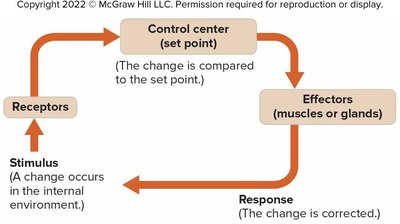
Homeostasis is the process by which the body maintains a stable internal environment. Self-regulating systems called homeostatic mechanisms monitor and correct changes as needed. The three main components are:
Receptor: Detects changes (stimuli) and provides information.
Control Center: Determines the set point and processes information.
Effector: Responds to restore the internal environment to the set point.
Negative Feedback
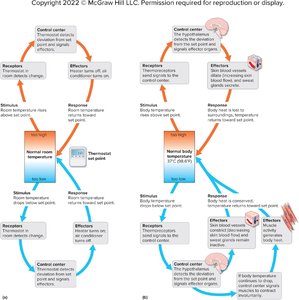
Negative feedback is the most common homeostatic mechanism. It works by reversing a deviation from the set point, thus maintaining stability. Examples include regulation of body temperature, blood pressure, and blood glucose levels.
Positive Feedback
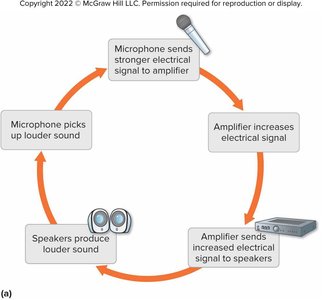
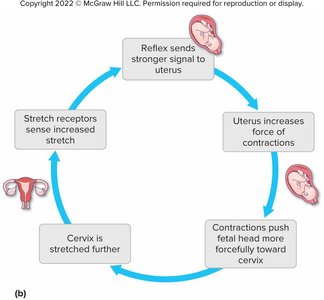
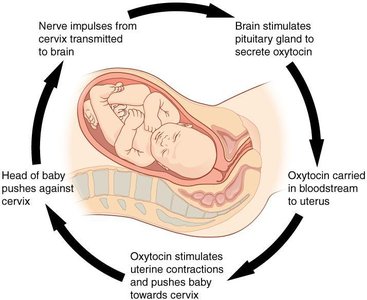
Positive feedback mechanisms intensify a change rather than reversing it. These are less common and usually short-lived, such as in blood clotting and childbirth contractions.
Organization of the Human Body
Major Body Regions and Cavities
Axial Portion: Head, neck, and trunk
Appendicular Portion: Upper and lower limbs
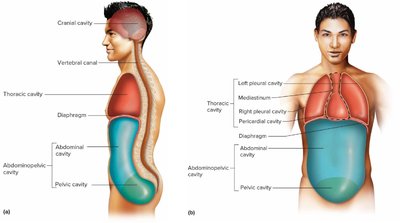
Major Body Cavities:
Cranial cavity: Contains the brain
Vertebral canal: Contains the spinal cord
Thoracic cavity: Contains lungs and thoracic viscera
Abdominopelvic cavity: Contains abdominal and pelvic organs
Small Cavities of the Head
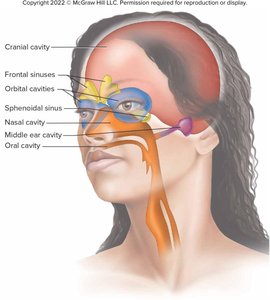
Oral cavity
Nasal cavity
Orbital cavities
Middle ear cavities
Thoracic and Abdominopelvic Membranes
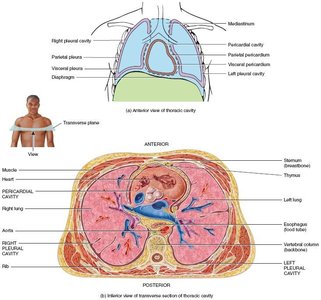
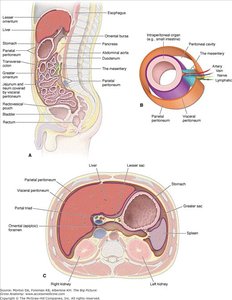
The thoracic and abdominopelvic cavities are lined by double-layered serous membranes that secrete serous fluid to reduce friction. The visceral layer covers organs, while the parietal layer lines the cavity wall. Examples include the pleura (lungs), pericardium (heart), and peritoneum (abdominal organs).
Organ Systems of the Human Body
Body Covering, Support, and Movement
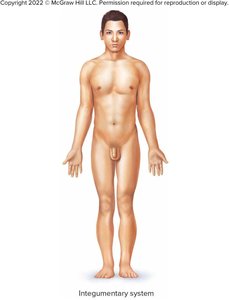
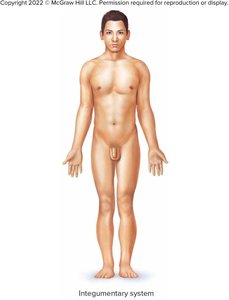
Integumentary System: Skin, hair, nails; protects tissues, regulates temperature, supports sensory receptors, produces vitamin D.
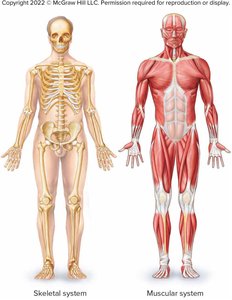
Skeletal System: Bones, ligaments, cartilages; provides framework, protects organs, produces blood cells, stores minerals.
Muscular System: Muscles; causes movement, maintains posture, produces heat.
Integration and Coordination
Nervous System: Brain, spinal cord, nerves; coordinates organ function via nerve impulses and neurotransmitters (rapid, short-term effects).
Endocrine System: Glands that secrete hormones; controls metabolic activities (slower, longer-lasting effects).
Transport
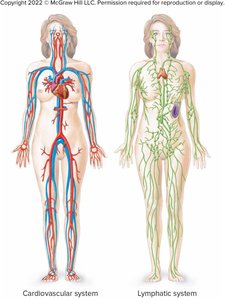
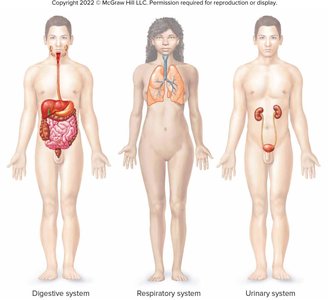
Cardiovascular System: Heart, blood vessels; transports gases, nutrients, hormones, and wastes.
Lymphatic System: Lymph nodes, vessels, spleen, thymus; returns tissue fluid to blood, carries fats, defends against infection.
Absorption and Excretion
Digestive System: Breaks down food, absorbs nutrients, eliminates waste.
Respiratory System: Exchanges gases (O2 and CO2) between blood and air.
Urinary System: Removes wastes, regulates water and electrolytes, maintains blood pressure.
Reproduction
Reproductive System: Produces and transports sex cells, produces hormones, supports fetal development (female).
Summary Table: Organ Systems
Organ System | Major Organs | Major Functions |
|---|---|---|
Integumentary | Skin, hair, nails, sweat glands, sebaceous glands | Protect tissues, regulate body temperature, support sensory receptors |
Skeletal | Bones, ligaments, cartilages | Provide framework, protect soft tissues, produce blood cells, store minerals |
Muscular | Muscles | Cause movements, maintain posture, produce body heat |
Nervous | Brain, spinal cord, nerves, sense organs | Detect changes, interpret sensory information, stimulate muscles/glands |
Endocrine | Glands (pituitary, thyroid, etc.) | Control metabolic activities |
Cardiovascular | Heart, arteries, veins, capillaries | Move blood, transport substances |
Lymphatic | Lymphatic vessels, nodes, thymus, spleen | Return tissue fluid, defend against infection |
Digestive | Mouth, esophagus, stomach, intestines, etc. | Break down and absorb food, eliminate waste |
Respiratory | Nasal cavity, pharynx, larynx, trachea, bronchi, lungs | Exchange gases |
Urinary | Kidneys, ureters, bladder, urethra | Remove wastes, maintain water/electrolyte balance |
Reproductive | Male: testes, penis, etc.; Female: ovaries, uterus, etc. | Produce sex cells, support development (female) |
Lifespan Changes
Aging and Its Effects
Hair loses pigment (gray/white)
Skin wrinkles and stiffens
Fat percentage increases
Joints stiffen
Blood pressure and glucose may rise
Tissues atrophy, organs shrink
Metabolic rate decreases
Decreased enzyme/protein production
Possible development of dementia/Alzheimer's
Anatomical Terminology
Anatomical Position
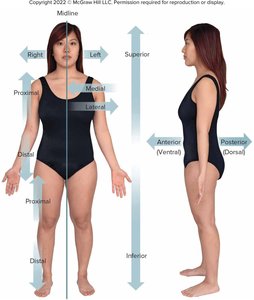
The standard anatomical position is standing erect, facing forward, with upper limbs at the sides and palms facing forward. All anatomical terms of position are based on this reference.
Terms of Relative Position
Superior: Above
Inferior: Below
Anterior (Ventral): Toward the front
Posterior (Dorsal): Toward the back
Medial: Toward the midline
Lateral: Away from the midline
Bilateral: On both sides
Ipsilateral: Same side
Contralateral: Opposite sides
Proximal: Closer to trunk attachment
Distal: Farther from trunk attachment
Superficial: Near the surface
Deep: More internal
Body Sections or Planes
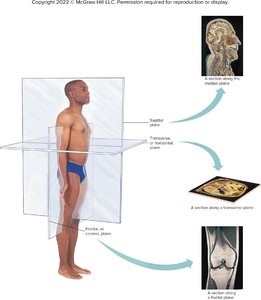
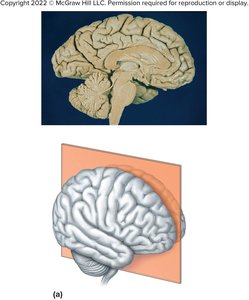
Sagittal Section: Divides body into left and right portions
Mid-sagittal/Median Section: Equal left and right portions
Parasagittal Section: Unequal left and right portions
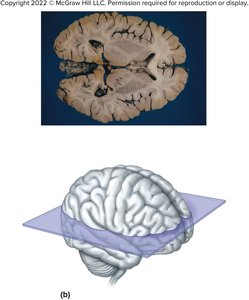
Transverse (Horizontal) Section: Superior and inferior portions
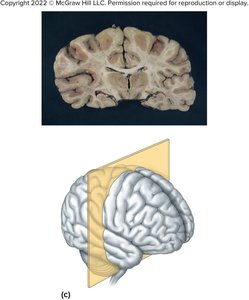
Coronal (Frontal) Section: Anterior and posterior portions
Sections of the Brain
Brain sections can be made in sagittal, transverse, or coronal planes to study internal structures.
Sections of Cylindrical Organs
Cross Section: Cut across the structure
Oblique Section: Angular cut
Longitudinal Section: Lengthwise cut
Abdominal Regions and Quadrants
The abdomen is divided into nine regions or four quadrants for anatomical reference.
Anterior & Posterior Regions
Specific terms are used to describe regions of the body in both anterior (front) and posterior (back) views.
Additional info: This guide covers the foundational concepts of human anatomy and physiology, including terminology, organization, homeostasis, and the major organ systems. It is suitable for introductory college-level study and exam preparation.
