 뒤로
뒤로Chapter 1: The Human Body—An Orientation (Anatomy & Physiology Study Notes)
스터디 가이드 - 스마트 노트
 자료에 맞춘 맞춤형 노트, 핵심 정의, 예시, 맥락을 확장해 제공합니다.
Chapter 1: The Human Body—An Orientation
Introduction to Anatomy and Physiology
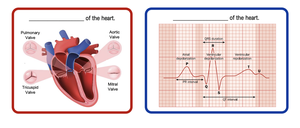
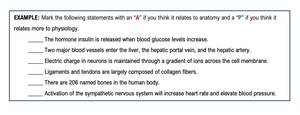
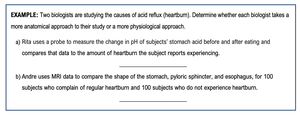
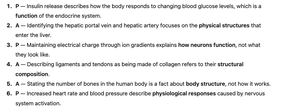
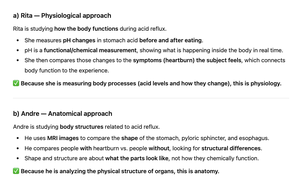
Anatomy and physiology are foundational sciences in understanding the human body. Anatomy is the study of the structure of body parts and their relationships to one another, while physiology is the study of the function of body parts and how they carry out life-sustaining activities. These disciplines are inseparable, as structure determines function.
Anatomy: Focuses on body structure (shape, size, arrangement).
Physiology: Focuses on body function (how it works).
Complementarity of Structure and Function: The way a body part is built explains what it does. If structure changes, function is affected.
Topics and Subdivisions of Anatomy
Anatomy is divided into several branches based on the level of observation and focus:
Gross (macroscopic) anatomy: Study of large body structures visible to the naked eye.
Regional anatomy: Examines all structures in a particular area of the body.
System anatomy: Focuses on one system (e.g., cardiovascular, nervous, muscular).
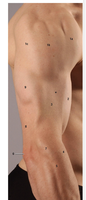
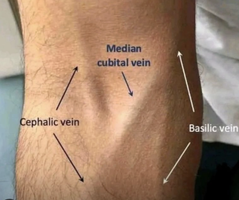
Surface anatomy: Studies internal structures as they relate to the overlying skin.
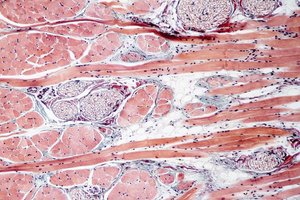
Microscopic anatomy: Deals with structures too small to be seen with the naked eye.
Cytology: Study of cells.
Histology: Study of tissues.
Developmental anatomy: Traces structural changes throughout the lifespan.
Embryology: Study of developmental changes before birth.
Tools for Studying Anatomy
Several methods and technologies are used to study anatomy:
Mastery of anatomical terminology
Observation
Manipulation
Palpation: Feeling organs with hands
Auscultation: Listening to organs with a stethoscope
Medical imaging technology
Topics and Subdivisions of Physiology
Physiology is often divided by organ systems and levels of organization:
Renal physiology: Study of kidney function
Neurophysiology: Study of nervous system function
Cardiovascular physiology: Study of heart and blood vessel function
Focuses on cellular/molecular levels, physics (e.g., blood pressure), and chemistry (e.g., cellular respiration)
Medical Terminology: Root Words and Prefixes
Medical terms are often derived from Greek (body systems, diseases, physiology) and Latin (anatomy, body structures). Understanding root words and prefixes helps decode medical vocabulary.
Levels of Structural Organization in the Human Body
Hierarchy of Organization
The human body is organized from the simplest to the most complex levels:
Chemical level: Atoms and molecules
Cellular level: Cells and their organelles
Tissue level: Groups of similar cells
Organ level: Contains two or more types of tissues
Organ system level: Organs that work closely together
Organismal level: All organ systems combined to make the whole organism
The Body’s Organ Systems and Their Major Functions
Overview of Organ Systems
The human body has 11 organ systems, each with specific functions:
Integumentary
Skeletal
Muscular
Nervous
Endocrine
Cardiovascular
Lymphatic
Respiratory
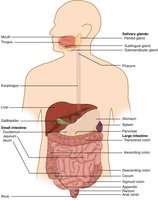
Digestive
Urinary
Reproductive
Requirements for Life and Survival Needs
Necessary Life Functions
All living organisms carry out vital functions necessary for maintenance of life and require certain substances and conditions to survive. These include maintaining boundaries, movement, responsiveness, digestion, metabolism, excretion, reproduction, and growth.
Homeostasis
Definition and Importance
Homeostasis is the maintenance of a stable internal environment. The body uses dynamic equilibrium to keep internal conditions within a narrow range. Failure to maintain homeostasis leads to disease (pathology).
Homeostatic controls: Monitored and regulated by the nervous and endocrine systems.
Variable: The factor being regulated (e.g., blood sugar, body temperature).
Feedback Loops
Homeostasis is controlled through feedback loops:
Negative feedback loops: Move in the opposite direction to the original stimulus to maintain homeostasis.
Positive feedback loops: Move in the same direction as the original stimulus, amplifying the response until an external event stops the loop.
Anatomical Terms: Body Directions, Regions, and Planes
Anatomical Position and Directional Terms
Standardized anatomical terminology allows accurate communication among healthcare professionals. The anatomical position is the standard reference: body erect, feet slightly apart, palms facing forward, thumbs pointing away from the body.
Directional Terms
Directional terms describe the location of one body structure relative to another. Examples include superior/inferior, anterior/posterior, medial/lateral, proximal/distal, superficial/deep.
Body Planes and Sections
Body planes are flat surfaces along which the body may be divided for anatomical study:
Sagittal plane: Divides body into right and left parts (midsagittal = midline, parasagittal = offset from midline).
Frontal (coronal) plane: Divides body into anterior (front) and posterior (back) parts.
Transverse (horizontal) plane: Divides body into superior (top) and inferior (bottom) parts.
Oblique section: Cuts made at angles other than 90° to the vertical plane.
Regional Terms
The body is divided into two major regions:
Axial part: Head, neck, and trunk
Appendicular part: Limbs (arms and legs)
Body Cavities and Membranes
The body contains several cavities that house and protect organs:
Dorsal (posterior) body cavity: Cranial cavity (brain) and vertebral cavity (spinal cord), covered by meninges.
Ventral (anterior) body cavity: Thoracic cavity (heart and lungs) and abdominopelvic cavity (digestive, urinary, reproductive organs).
Membranes lining these cavities include:
Serosa (serous membrane): Double-layered membrane with parietal (lines cavity walls) and visceral (covers organs) layers, separated by lubricating serous fluid.
Abdominopelvic Regions and Quadrants
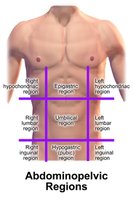
The abdominopelvic cavity is divided for clinical and anatomical reference:
Four quadrants: Right upper, left upper, right lower, left lower
Nine regions: Umbilical, epigastric, pubic (hypogastric), right/left inguinal (iliac), right/left lateral (lumbar), right/left hypochondriac
Other Body Cavities
Additional smaller cavities include:
Oral and digestive cavities
Nasal cavity
Orbital cavities
Middle ear cavities
Synovial cavities (within joints)
Summary Table: Orientation and Directional Terms
Term | Definition | Example |
|---|---|---|
Superior (cranial) | Toward the head or upper part of a structure | The head is superior to the abdomen. |
Inferior (caudal) | Away from the head or toward the lower part | The navel is inferior to the chin. |
Anterior (ventral) | Toward the front of the body | The breastbone is anterior to the spine. |
Posterior (dorsal) | Toward the back of the body | The heart is posterior to the breastbone. |
Medial | Toward the midline of the body | The heart is medial to the arm. |
Lateral | Away from the midline of the body | The arms are lateral to the chest. |
Proximal | Closer to the origin of the body part | The elbow is proximal to the wrist. |
Distal | Farther from the origin of the body part | The knee is distal to the thigh. |
Superficial | Toward or at the body surface | The skin is superficial to the skeletal muscles. |
Deep | Away from the body surface | The lungs are deep to the skin. |
Clinical Application: Importance of Anatomical Terminology
Accurate use of anatomical terms is critical in healthcare to prevent errors such as wrong-site surgery. Consistent terminology ensures clear communication among professionals.
Practice and Application
Practice questions and case studies help reinforce the distinction between anatomy (structure) and physiology (function), as well as the use of directional and regional terms.
