 뒤로
뒤로Chapter 1: The Human Body—An Orientation (Anatomy & Physiology Study Notes)
스터디 가이드 - 스마트 노트
 자료에 맞춘 맞춤형 노트, 핵심 정의, 예시, 맥락을 확장해 제공합니다.
Form and Function of Anatomy & Physiology
Definitions and Scope
Anatomy is the study of the structure of body parts and their relationships to one another, while physiology is the study of the function of body parts and how they carry out life-sustaining activities. These two disciplines are closely linked, as the structure of a body part often determines its function.
Anatomy: Focuses on the physical structures of the body.
Physiology: Explores how those structures work and interact.
Principle of Complementarity: Function always reflects structure; what a structure can do depends on its specific form.
Subdivisions of Anatomy
Macroscopic (Gross) Anatomy: Study of large, visible structures.
Regional Anatomy: Examines structures in a particular area of the body.
Systemic Anatomy: Focuses on one organ system at a time.
Microscopic Anatomy: Study of structures too small to be seen with the naked eye.
Cytology: Study of cells.
Histology: Study of tissues.
Developmental Anatomy: Studies anatomical and physiological development throughout life.
Embryology: Study of development before birth.
Gross vs. Microscopic Anatomy
Gross anatomy considers large structures such as the brain, while microscopic anatomy examines the same structures at a cellular or tissue level.
Topics of Physiology
Subdivisions of Physiology
Physiology is often divided based on organ systems and focuses on cellular and molecular levels, such as chemical reactions in individual cells.
Cardiovascular Physiology: Concerns the heart and blood vessels.
Other examples include renal physiology, neurophysiology, etc.
Necessary Life Functions
Overview
To maintain life, humans must perform several essential functions:
Maintaining Boundaries: Separation between internal and external environments (e.g., plasma membranes, skin).
Movement: Muscular system allows movement of body parts and substances; contractility refers to movement at the cellular level.
Responsiveness: Ability to sense and respond to stimuli (e.g., withdrawal reflex, control of breathing rate).
Digestion: Breakdown of ingested food and absorption of simple molecules into the blood.
Metabolism: All chemical reactions in the body, including:
Catabolism: Breakdown of molecules.
Anabolism: Synthesis of molecules.
Excretion: Removal of wastes (e.g., urea, carbon dioxide, feces).
Reproduction: Production of offspring; cellular division for growth or repair.
Growth: Increase in size of a body part or organism.
Humans are multicellular, and all cells depend on organ systems to meet their survival needs. There are 11 organ systems that work together to maintain life.
The Body’s Organ Systems
Overview of the 11 Organ Systems
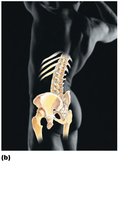
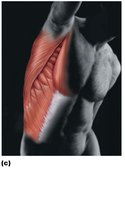
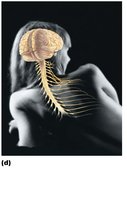
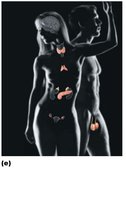
The human body is organized into 11 major organ systems, each with specific functions essential for survival.
Organ System | Main Functions |
|---|---|
Integumentary | Protects body, synthesizes vitamin D, houses receptors and glands |
Skeletal | Supports and protects organs, provides framework, forms blood cells, stores minerals |
Muscular | Allows movement, maintains posture, produces heat |
Nervous | Fast-acting control system, responds to stimuli |
Endocrine | Secretes hormones, regulates growth, reproduction, metabolism |
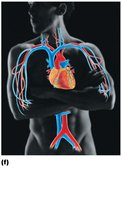
Cardiovascular | Transports blood, carries oxygen, nutrients, wastes |
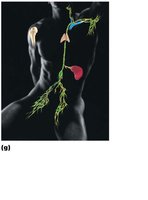
Lymphatic/Immunity | Returns fluid to blood, disposes debris, houses immune cells |
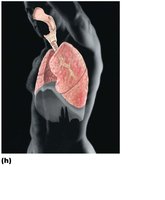
Respiratory | Keeps blood supplied with oxygen, removes carbon dioxide |
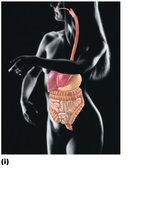
Digestive | Breaks down food, absorbs nutrients, eliminates waste |
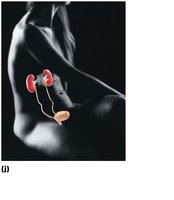
Urinary | Eliminates nitrogenous wastes, regulates water, electrolytes, acid-base balance |
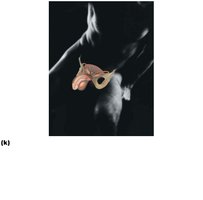
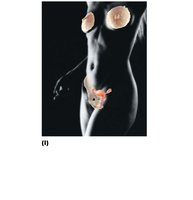
Reproductive | Produces offspring, sex hormones, supports embryo/fetus, produces milk (female) |

Homeostasis
Definition and Importance
Homeostasis is the maintenance of relatively stable internal conditions despite continuous changes in the environment. It is a dynamic process involving constant readjustment of variables such as blood sugar, body temperature, and blood volume.
Mechanisms of Homeostasis
Negative Feedback: Reduces the stimulus and brings the variable back toward equilibrium. Most feedback mechanisms in the human body are negative feedback.
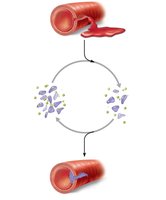
Positive Feedback: Enhances the stimulus and takes the variable further from equilibrium. This is less common and usually occurs in processes like childbirth and blood clotting.
Negative Feedback Example: Body Temperature Regulation
Body temperature is regulated by a negative feedback mechanism. When body temperature rises or falls, receptors detect the change, the control center processes the information, and effectors (such as sweat glands or muscles) respond to restore balance.
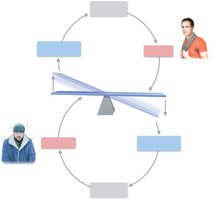
Homeostatic Control System
Stimulus: Produces change in variable.
Receptor: Detects the change.
Control Center: Determines the set point and appropriate response.
Effector: Carries out the response to return the variable to homeostasis.
Positive Feedback Example: Platelet Plug Formation
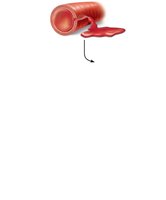
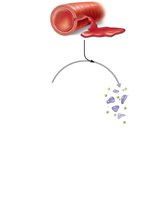
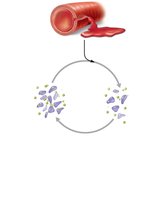
In positive feedback, the response increases the deviation from the set point. For example, during blood clotting, platelets adhere to a break in a blood vessel and release chemicals that attract more platelets, amplifying the response until the plug is formed.
Summary Table: Homeostatic Mechanisms
Feedback Type | Effect on Stimulus | Example |
|---|---|---|
Negative Feedback | Reduces stimulus, returns to set point | Body temperature regulation |
Positive Feedback | Enhances stimulus, moves away from set point | Blood clotting, childbirth |
Key Terms and Definitions
Set Point: The ideal normal value of a variable (e.g., body temperature).
Receptor: Structure that detects changes in the environment.
Control Center: Determines the response to a stimulus (often the brain).
Effector: Organ or cell that acts to return the variable to the set point.
Concept Checks and Applications
Example: The anatomy of the digestive tract is considered systemic anatomy because it involves one organ system.
Example: The nervous system detects and processes sensory information and activates the body’s responses.
Example: When the value of a variable deviates from normal, positive feedback increases the deviation, while negative feedback reduces it.
Additional info: The above notes integrate foundational concepts from Chapter 1 of a standard Anatomy & Physiology textbook, including the principle of complementarity, the organization of the human body, and the mechanisms of homeostasis. The included images directly correspond to the organ systems and feedback mechanisms described, reinforcing visual understanding for students.
