뒤로
뒤로Chemistry Foundations for Anatomy & Physiology: The Periodic Table
스터디 가이드 - 스마트 노트
 자료에 맞춘 맞춤형 노트, 핵심 정의, 예시, 맥락을 확장해 제공합니다.
Chemistry Comes Alive
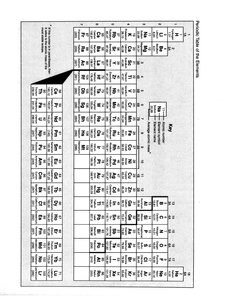
The Periodic Table of Elements
The periodic table is a fundamental tool in chemistry, organizing all known elements according to their atomic number, electron configuration, and recurring chemical properties. Understanding the periodic table is essential for Anatomy & Physiology students, as it provides the basis for comprehending the chemical nature of biological molecules and physiological processes.
Element: A substance that cannot be broken down into simpler substances by ordinary chemical means. Each element is defined by its atomic number (number of protons).
Atomic Number: The number of protons in the nucleus of an atom, which determines the element's identity.
Symbol: One or two letters representing the element (e.g., H for hydrogen, O for oxygen).
Groups and Periods: Elements are arranged in columns (groups) and rows (periods) based on similar properties and electron configurations.
Major Biological Elements: The most abundant elements in the human body include carbon (C), hydrogen (H), oxygen (O), nitrogen (N), calcium (Ca), and phosphorus (P).
Trace Elements: Elements required in small amounts for physiological functions, such as iron (Fe), iodine (I), and zinc (Zn).
Example: Oxygen (O) is essential for cellular respiration, while calcium (Ca) is critical for bone structure and muscle contraction.
Additional info: The periodic table also helps predict the behavior of elements in chemical reactions, which is important for understanding metabolic pathways and the formation of biomolecules.