 뒤로
뒤로Introduction to Anatomy and Physiology: Core Concepts and Structural Organization
스터디 가이드 - 스마트 노트
 자료에 맞춘 맞춤형 노트, 핵심 정의, 예시, 맥락을 확장해 제공합니다.
Introduction to Anatomy and Physiology
Overview
Anatomy and physiology are foundational sciences in understanding the structure and function of the human body. Anatomy focuses on the form and organization of body parts, while physiology explores how these parts function and interact to sustain life.
Characteristics of Living Organisms
Key Properties of Life
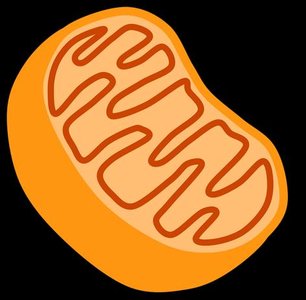
Cellular Composition: All living organisms are composed of cells, the smallest units capable of performing life functions.
Metabolism: The sum of all chemical reactions in the body, including anabolic (building up) and catabolic (breaking down) processes.
Growth: Increase in cell size and/or number, resulting in organismal development.
Excretion: Removal of metabolic waste products to maintain internal balance.
Responsiveness (Irritability): Ability to sense and react to environmental changes or stimuli.
Movement: Includes movement of the organism, individual cells, or substances within the body.
Reproduction: Production of new cells for growth and repair, and generation of offspring.

Levels of Structural Organization in the Human Body
Hierarchy of Organization
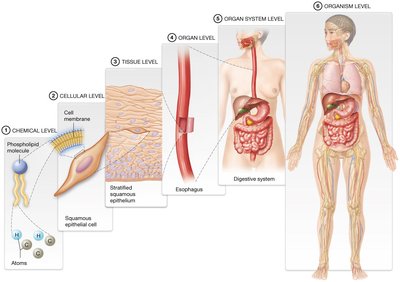
The human body is organized into a hierarchy of structural levels, each building upon the previous:
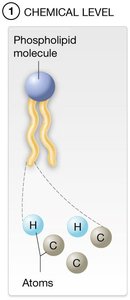
Chemical Level: Atoms and molecules form the chemical foundation of the body.

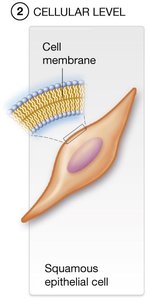
Cellular Level: Molecules combine to form cells, the basic units of life.
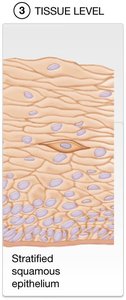
Tissue Level: Groups of similar cells and their extracellular matrix perform common functions.
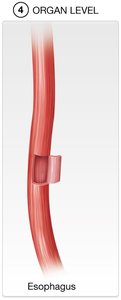
Organ Level: Two or more tissue types form organs with specific shapes and functions.
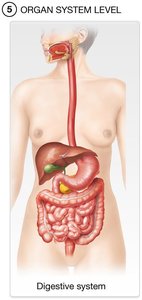
Organ System Level: Organs work together in organ systems to perform broad functions.
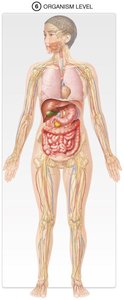
Organism Level: All organ systems function together to form the complete human organism.
Organ Systems of the Human Body
The Eleven Major Organ Systems
The human body contains eleven organ systems, each with distinct structures and functions:
Organ System | Main Components | Major Functions |
|---|---|---|
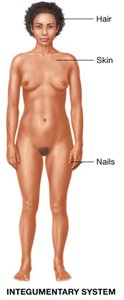
Integumentary | Skin, hair, nails | Protection, vitamin D synthesis, water retention, temperature regulation |
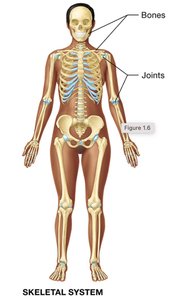
Skeletal | Bones, joints | Support, protection, leverage, blood cell production, calcium storage |
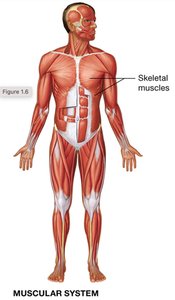
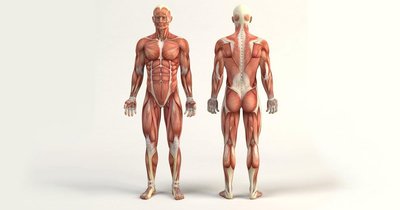
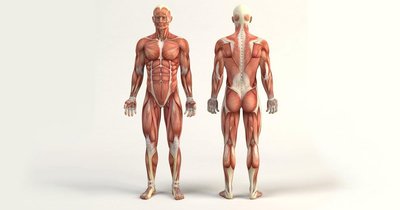
Muscular | Skeletal muscles | Movement, heat generation, control of body openings |
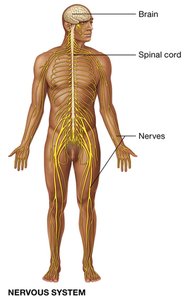
Nervous | Brain, spinal cord, nerves | Regulation, sensation, movement, higher mental functions |
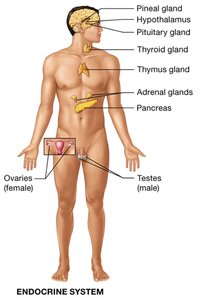
Endocrine | Glands (e.g., pituitary, thyroid) | Regulation via hormone secretion |
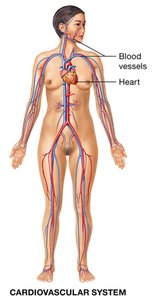
Cardiovascular | Heart, blood vessels | Transport of cells, nutrients, wastes; oxygen delivery |
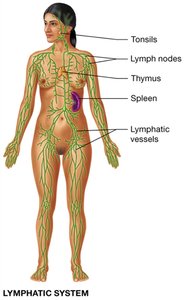
Lymphatic | Lymph nodes, vessels, spleen | Fluid return, immunity |
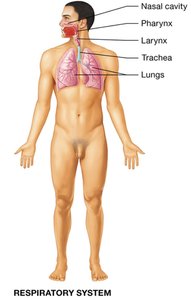
Respiratory | Lungs, trachea, nasal cavity | Gas exchange, acid-base balance |
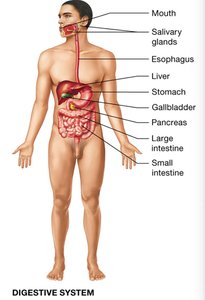
Digestive | Mouth, esophagus, stomach, intestines | Digestion, nutrient absorption, waste removal |
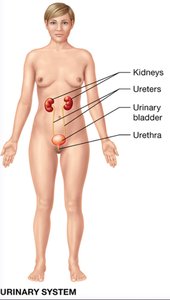
Urinary | Kidneys, bladder, urethra | Waste removal, fluid/electrolyte/acid-base balance |
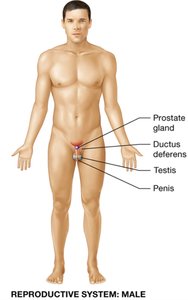
Reproductive (Male/Female) | Testes/ovaries, associated ducts | Production of gametes, hormone secretion, sexual function |
The Language of Anatomy and Physiology
Anatomical Position and Directional Terms
Standardized terminology is essential for accurately describing locations and relationships of body parts.
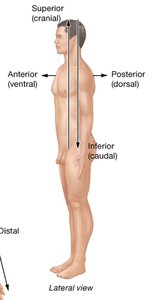
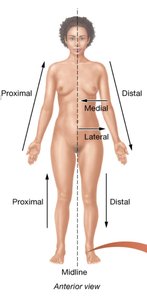
Anatomical Position: Body standing upright, feet shoulder-width apart, arms at sides, palms facing forward.
Directional Terms: Used to describe relative positions (e.g., anterior/posterior, superior/inferior, proximal/distal, medial/lateral, superficial/deep).
Organization of the Human Body: Body Cavities and Membranes
Major Body Cavities
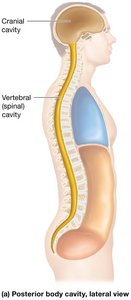
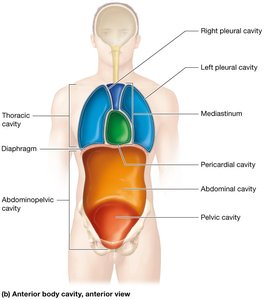
Posterior (Dorsal) Cavity: Includes cranial cavity (brain) and vertebral cavity (spinal cord), filled with cerebrospinal fluid.
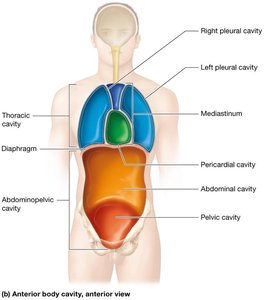
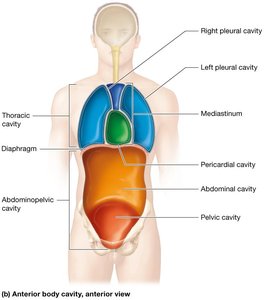
Anterior (Ventral) Cavity: Divided by the diaphragm into thoracic and abdominopelvic cavities.
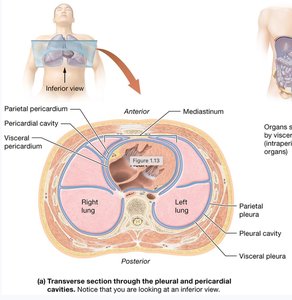
Thoracic Cavity: Contains pleural cavities (lungs), mediastinum (heart, trachea, esophagus), and pericardial cavity (heart).
Abdominopelvic Cavity: Subdivided into abdominal (digestive organs) and pelvic (reproductive, urinary organs) cavities; includes the peritoneal cavity.
Abdominopelvic Quadrants and Regions
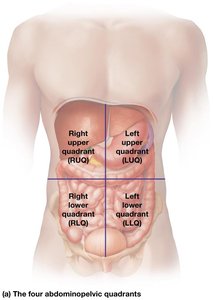
Quadrants: Right upper (RUQ), right lower (RLQ), left upper (LUQ), left lower (LLQ).
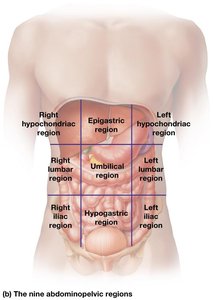
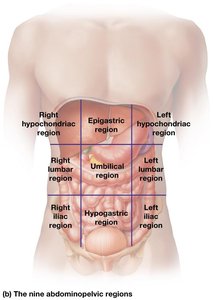
Nine Regions: Right/left hypochondriac, epigastric, right/left lumbar, umbilical, right/left iliac (inguinal), hypogastric.
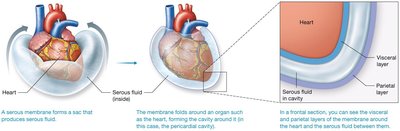
Serous Membranes
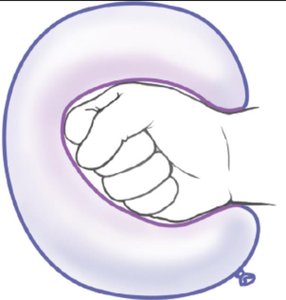
Serous membranes are thin sheets of tissue that line body cavities and cover organs, producing serous fluid to reduce friction.
Visceral Layer: In contact with the organ.
Parietal Layer: Attached to surrounding structures.
Serous Fluid: Lubricates and prevents friction between moving organs.
Main Serous Membranes: Pleural (lungs), pericardial (heart), peritoneal (abdominal organs).
Core Principles in Anatomy and Physiology
Homeostasis
Homeostasis is the maintenance of a stable internal environment. Physiological processes operate to keep variables (e.g., temperature, pH, fluid balance) within a narrow range.
Homeostatic Imbalance: Disturbances can lead to disease or death if uncorrected.
Feedback Loops
Negative Feedback: Most common; opposes initial change and returns variable to normal range. Involves a set point, stimulus, receptor, control center, and effector. Example: Regulation of body temperature.
Positive Feedback: Less common; amplifies initial stimulus until a specific outcome is achieved, then shuts off. Often embedded within negative feedback for rapid response. Example: Blood clotting cascade.
Principle of Complementarity of Structure and Function
The form of a structure is always suited to its function. This principle applies at all levels, from molecules to organ systems.
Gradients
Gradients are differences in concentration, pressure, or temperature between two connected regions. They drive many physiological processes, such as diffusion, osmosis, and filtration.
Types of Gradients: Temperature, concentration, pressure.
Cell-to-Cell Communication
Cells communicate via chemical messengers (hormones, neurotransmitters) or electrical signals to coordinate body functions and maintain homeostasis.
Electrical Signals: Usually between neighboring cells (e.g., neurons).
Chemical Messengers: Can act locally or travel through the bloodstream to distant targets.
Medical Imaging in Anatomy
Common Imaging Techniques
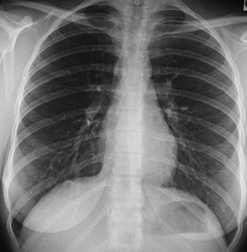
X-Ray: Uses ionizing radiation to visualize dense structures like bone.
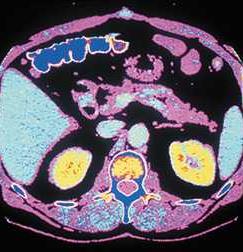
CT Scan (Computed Tomography): Produces cross-sectional images using X-rays and computer processing.
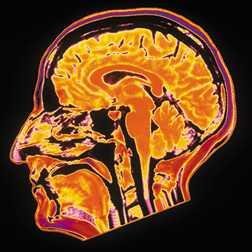
MRI (Magnetic Resonance Imaging): Uses magnetic fields and radio waves to produce detailed images of soft tissues.
Additional info: These notes provide a comprehensive overview of the foundational concepts in human anatomy and physiology, including the characteristics of life, structural organization, organ systems, anatomical terminology, body cavities, serous membranes, core physiological principles, and medical imaging techniques. This material is essential for students beginning their study of anatomy and physiology.
