 뒤로
뒤로Introduction to Anatomy & Physiology: Structure, Function, and Homeostasis
스터디 가이드 - 스마트 노트
 자료에 맞춘 맞춤형 노트, 핵심 정의, 예시, 맥락을 확장해 제공합니다.
Form and Function
Anatomy and Physiology Overview
Anatomy and physiology are two closely related fields that study the structure and function of the human body. Anatomy focuses on the body's structure, while physiology examines how those structures function and interact.
Anatomy: The study of body structure, including size, shape, and location of organs.
Physiology: The study of body function, emphasizing how organs and systems work together.
Complementarity of Structure and Function: The principle that function is dependent on structure, and structure is designed for function.
Topics of Anatomy
Subdivisions of Anatomy
Anatomy is divided into several branches, each focusing on different levels of organization and methods of study.
Gross or Macroscopic Anatomy: Study of large, visible structures.
Regional Anatomy: Study of all structures in a specific area of the body.
System Anatomy: Study of body systems, such as the skeletal or muscular system.
Surface Anatomy: Study of external features and their relation to deeper structures.
Microscopic Anatomy: Study of structures too small to be seen with the naked eye.
Cytology: Study of cells.
Histology: Study of tissues.
Developmental Anatomy: Study of structural changes throughout life.
Topics of Physiology
Principles of Physiology
Physiology explores how the body's abilities depend on chemical reactions within cells. Understanding physiology requires knowledge of basic physical and chemical principles.
Cellular Function: Chemical reactions in cells drive physiological processes.
Physical Principles: Includes concepts such as pressure, flow, and electrical gradients.
Chemical Principles: Includes reactions, enzymes, and molecular interactions.
Structural Organization of the Human Body
Levels of Organization
The human body is organized from the smallest chemical level to the whole organism. Each level builds upon the previous one.
Chemical Level: Atoms and molecules.
Cellular Level: Cells, the basic unit of life.
Tissue Level: Groups of similar cells performing a common function.
Organ Level: Structures composed of two or more tissue types.
Organ System Level: Groups of organs working together.
Organismal Level: The complete living being.
Requirements for Life
Necessary Life Functions
To maintain life, the body must perform several essential functions. These functions are carried out by cells and organ systems working together.
Maintaining Boundaries: Separation between internal and external environments.
Movement: Includes locomotion and movement of substances within the body.
Responsiveness: Ability to sense and respond to stimuli.
Digestion: Breakdown of food into absorbable units.
Metabolism: All chemical reactions in the body.
Excretion: Removal of waste products.
Reproduction: Production of offspring.
Growth: Increase in size and number of cells.
Organ Systems of the Human Body
Overview of Organ Systems
The human body contains 11 major organ systems, each with specific functions essential for survival.
Integumentary System: Protects the body, synthesizes vitamin D, and houses sensory receptors.

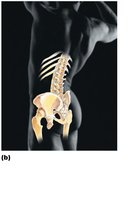
Skeletal System: Provides support, protection, and stores minerals; forms blood cells.
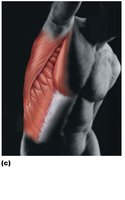
Muscular System: Enables movement, maintains posture, and produces heat.
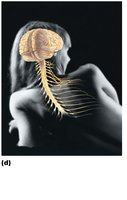
Nervous System: Fast-acting control system; responds to changes by activating muscles and glands.
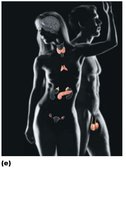
Endocrine System: Glands secrete hormones regulating growth, reproduction, and metabolism.
Cardiovascular System: Transports blood, oxygen, nutrients, and wastes; heart pumps blood.
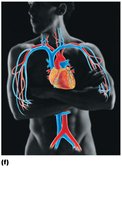
Lymphatic System/Immunity: Returns leaked fluids, disposes of debris, and houses immune cells.
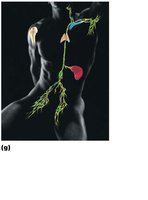
Respiratory System: Supplies oxygen, removes carbon dioxide, and enables gas exchange.
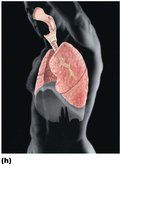
Digestive System: Breaks down food, absorbs nutrients, and eliminates waste.
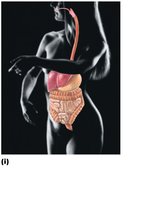
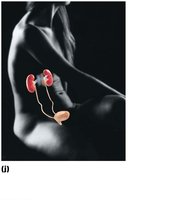
Urinary System: Eliminates nitrogenous wastes, regulates water, electrolytes, and acid-base balance.
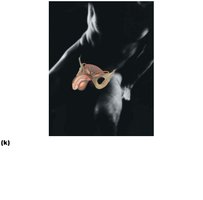
Male Reproductive System: Produces sperm and male hormones; delivers sperm to female tract.
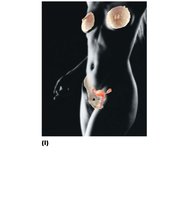
Female Reproductive System: Produces eggs and female hormones; supports fertilization and fetal development.
Survival Needs
Essential Requirements for Human Survival
To survive, humans require several key resources and environmental conditions.
Nutrients: Provide energy and building blocks for growth and repair.
Oxygen: Required for cellular respiration and energy production.
Water: Essential for chemical reactions and transport.
Normal Body Temperature: Maintains optimal enzyme activity.
Appropriate Atmospheric Pressure: Necessary for gas exchange in the lungs.
Homeostasis
Definition and Importance
Homeostasis is the maintenance of stable internal conditions despite external changes. It is essential for health and survival, and is coordinated by the nervous and endocrine systems.
Organ Systems: Work together to maintain homeostasis.
Examples: Regulation of body temperature, blood sugar, and blood pressure.
Homeostatic Variables
Internal factors regulated by homeostasis include:
Blood Sugar (Glucose) Concentration
Body Temperature
Blood Volume
Chemical Composition of Blood
Blood Pressure
Homeostatic Control Mechanisms
Components of Homeostatic Control
Homeostatic control mechanisms consist of three main components:
Receptor (Sensor): Detects changes in the environment.
Control Center: Determines the set point and initiates response.
Effector: Carries out the response to restore balance.
Feedback Mechanisms
Feedback mechanisms regulate homeostasis:
Negative Feedback: Most common; corrective action returns variable to preset range and stops the process. Example: Thermostat/AC unit regulating room temperature.
Positive Feedback: Rare; response amplifies the change until an event turns it off. Example: Blood clotting, childbirth.
Homeostatic Imbalance
Disease and Aging
Disease results from disturbances in homeostasis. Negative feedback can be overwhelmed, and normal mechanisms may fail to restore balance. Homeostatic control systems become less efficient with age.
Disease: Caused by homeostatic imbalance.
Aging: Reduces efficiency of homeostatic mechanisms.
