 뒤로
뒤로Introduction to Anatomy & Physiology: Structure, Function, and Organization
스터디 가이드 - 스마트 노트
 자료에 맞춘 맞춤형 노트, 핵심 정의, 예시, 맥락을 확장해 제공합니다.
An Introduction to Anatomy & Physiology
Definition and Scope
Anatomy and physiology are foundational sciences in understanding the human body. Anatomy is the study of structure—'the parts'—while physiology is the study of function—'how things work.' These disciplines are interrelated, as the structure of a body part often determines its function.
Anatomy: Includes gross (macroscopic) anatomy, which examines large structures visible to the naked eye, and microscopic anatomy, which studies structures requiring magnification.
Physiology: Focuses on how anatomical structures operate and interact to sustain life.
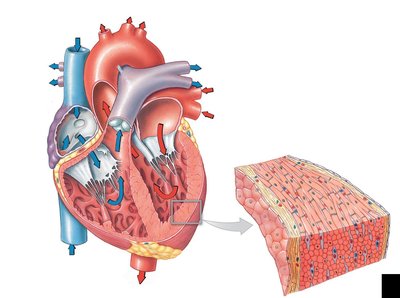
Example: The heart's structure (anatomy) enables its function of pumping blood (physiology).
Form and Function Relationship
The relationship between form and function is central to anatomy and physiology. Specific functions are performed by specific structures, and the internal structure imposes functional limitations.
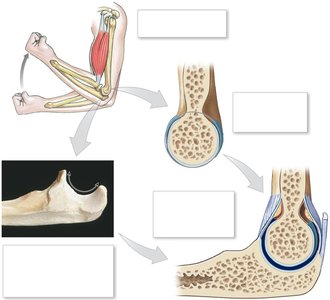
Example: The elbow joint functions as a hinge, allowing movement in one plane and preventing twisting due to its anatomical structure.
Cellular Level: Chemical messengers and receptors interact based on their shapes, enabling cellular communication.
Characteristics of Life
Essential Life Processes
Living organisms exhibit several key characteristics that distinguish them from non-living matter:
Movement: Ability to change position or move parts of the body.
Responsiveness: Reacting to environmental changes.
Digestion: Breaking down food for energy and nutrients.
Metabolism: All chemical reactions occurring in the body.
Excretion: Removal of waste products.
Reproduction: Producing offspring.
Levels of Organization
Hierarchical Structure of the Human Body
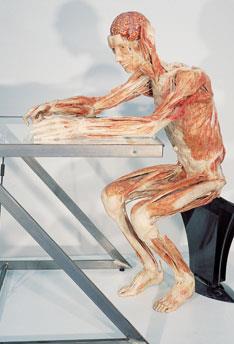
The human body is organized into a hierarchy of structural levels, each building upon the previous:
Chemical Level: Atoms and molecules form the basis of life.
Cellular Level: Cells are the basic structural and functional units.
Tissue Level: Groups of similar cells performing a common function.
Organ Level: Structures composed of two or more tissue types.
Organ System Level: Groups of organs working together for a major function.
Organism Level: The complete living individual.
Cell Theory
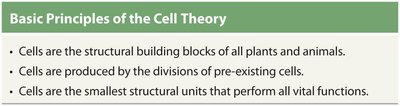
The cell theory is a fundamental concept in biology:
Cells are the structural building blocks of all plants and animals.
Cells are produced by the division of pre-existing cells.
Cells are the smallest structural units that perform all vital functions.
Types of Human Cells
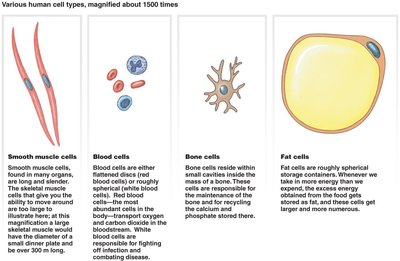
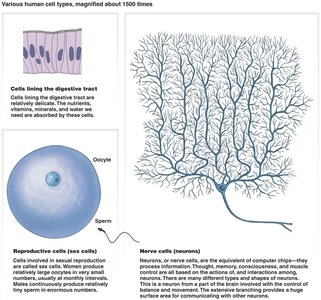
Human cells vary in structure and function, reflecting their specialized roles:
Smooth muscle cells: Long and slender, enable movement in organs.
Blood cells: Transport oxygen and fight disease.
Bone cells: Maintain bone structure and recycle minerals.
Fat cells: Store energy.
Digestive tract cells: Absorb nutrients.
Reproductive cells: Oocytes and sperm for reproduction.
Nerve cells: Transmit information.
Tissue Types
Four Primary Tissue Types
The body contains four primary tissue types, each with distinct functions:
Epithelial tissue: Covers surfaces and lines cavities.
Connective tissue: Supports and binds other tissues.
Muscle tissue: Enables movement.
Neural tissue: Conducts electrical impulses.
Body Systems
Overview of Human Organ Systems
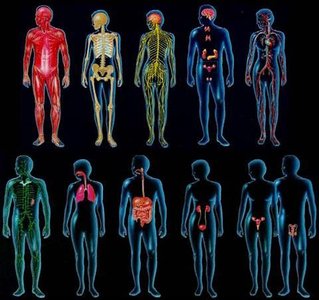
The human body is composed of multiple organ systems, each responsible for specific physiological functions:
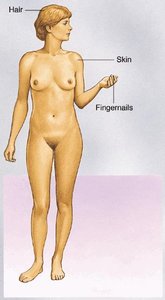
Integumentary System: Protects the body, regulates temperature, and provides sensory information.
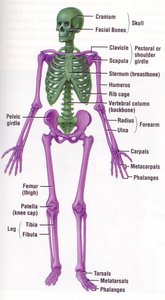
Skeletal System: Provides support, protection, and enables movement.
Muscular System: Facilitates movement and maintains posture.
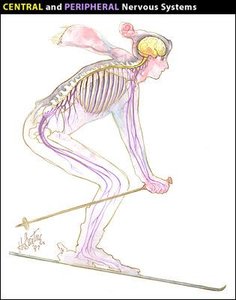
Nervous System: Controls and coordinates body activities.
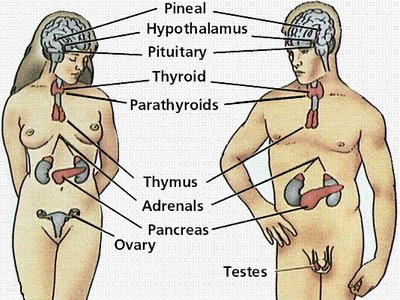
Endocrine System: Regulates bodily functions via hormones.
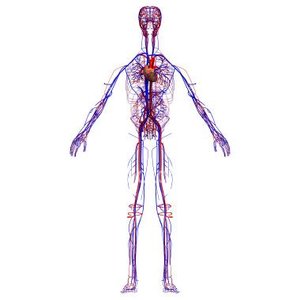
Cardiovascular System: Transports blood, nutrients, and waste.
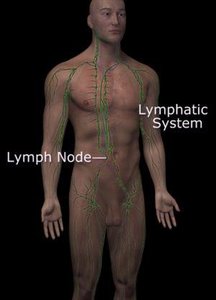
Lymphatic System: Defends against infection and disease.
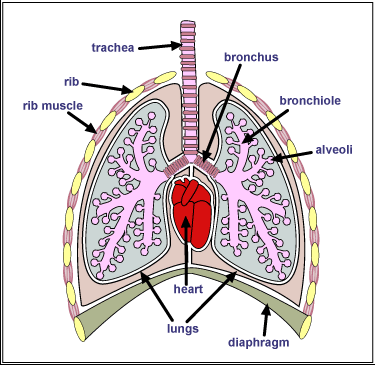
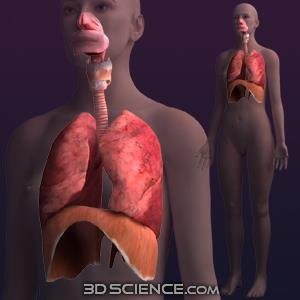
Respiratory System: Facilitates gas exchange.
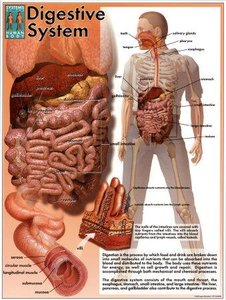
Digestive System: Breaks down food and absorbs nutrients.
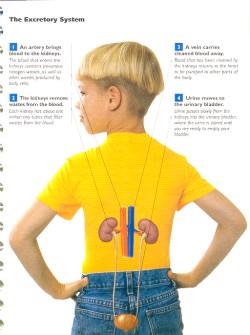
Urinary System: Removes waste and maintains fluid balance.
Reproductive System: Produces offspring.
Homeostasis
Definition and Mechanisms
Homeostasis is the maintenance of a stable internal environment, essential for survival. Homeostatic regulation involves physiological adjustments to preserve internal balance in changing environments.
Control Mechanisms: Include receptors (detect changes), control centers (process information), and effectors (produce responses).
Example: Thermoregulation, where the body maintains temperature via negative feedback.
Negative and Positive Feedback
Homeostatic mechanisms operate via feedback loops:
Negative Feedback: Counteracts changes, restoring balance (e.g., temperature regulation, blood pressure).
Positive Feedback: Amplifies changes, often leading to a specific outcome (e.g., blood clotting).
Anatomical Terminology
Body Orientation and Directional Terms
Anatomical terminology provides a standardized language for describing body locations and positions:
Anatomical Position: Standing upright, hands at sides, palms forward, feet together.
Supine: Lying face up.
Prone: Lying face down.
Directional Terms: Superior, inferior, anterior (ventral), posterior (dorsal), medial, lateral, proximal, distal.
Body Planes and Cavities
The body is divided into planes and cavities for descriptive and diagnostic purposes:
Planes: Frontal (coronal), transverse (horizontal), sagittal (vertical).
Cavities: Protect organs and allow changes in size/shape. Include cranial, thoracic, abdominopelvic, and others.
Abdominopelvic Regions and Quadrants
Clinicians use quadrants and regions to localize internal organs and diagnose conditions:
Quadrants: Four regions intersecting at the navel.
Regions: Nine regions preferred by anatomists for precise localization.
Summary Table: Major Human Organ Systems
System | Main Function | Key Organs |
|---|---|---|
Integumentary | Protection, temperature regulation | Skin, hair, nails |
Skeletal | Support, movement, protection | Bones, joints |
Muscular | Movement, posture | Muscles |
Nervous | Control, coordination | Brain, spinal cord, nerves |
Endocrine | Hormonal regulation | Glands (pituitary, thyroid, etc.) |
Cardiovascular | Transport | Heart, blood vessels |
Lymphatic | Immunity | Lymph nodes, vessels |
Respiratory | Gas exchange | Lungs, trachea |
Digestive | Nutrition | Stomach, intestines |
Urinary | Waste removal | Kidneys, bladder |
Reproductive | Offspring production | Ovaries, testes |
Key Equations and Concepts
Homeostasis Feedback Loop (Generalized)
The feedback loop can be represented as:
Stimulus → Receptor → Control Center → Effector → Response
Mathematically, negative feedback can be described as:
Where is the deviation from the set point, is the desired value, and is the current value.
Cell Theory Summary
All living things are composed of cells, and cells arise from pre-existing cells.
Conclusion
Anatomy and physiology provide a comprehensive understanding of the human body's structure and function. Mastery of these concepts is essential for further study in health sciences and clinical practice.
