 뒤로
뒤로Introduction to Anatomy and Physiology: Structure, Function, and Homeostasis
스터디 가이드 - 스마트 노트
 자료에 맞춘 맞춤형 노트, 핵심 정의, 예시, 맥락을 확장해 제공합니다.
Form and Function in Anatomy & Physiology
Anatomy and Physiology: Definitions and Scope
Anatomy is the study of the structure of body parts and their relationships to one another, while physiology is the study of the function of the body’s structural machinery. Understanding both is essential for a comprehensive knowledge of the human body.
Anatomy: Focuses on the form and organization of body structures.
Physiology: Explores how those structures work and interact to sustain life.
Complementarity of Structure and Function: Structure determines function; the way a body part is formed enables its specific role.
Subdivisions of Anatomy
Anatomy is divided into several branches, each focusing on different aspects of body structure:
Gross (Macroscopic) Anatomy: Study of large, visible structures.
Regional Anatomy: Examines all structures in a particular region of the body.
System Anatomy: Looks at the body by organ systems.
Surface Anatomy: Studies internal structures as they relate to the overlying skin.
Microscopic Anatomy: Study of structures too small to be seen with the naked eye.
Cytology: Study of cells.
Histology: Study of tissues.
Developmental Anatomy: Examines structural changes throughout the lifespan.
Subdivisions of Physiology
Physiology investigates how the body’s abilities depend on chemical reactions in individual cells. It requires understanding basic physical and chemical principles.
Cellular Physiology: Functions of cells.
Systemic Physiology: Functions of organ systems.
Pathophysiology: How disease alters normal physiological processes.
Levels of Structural Organization
Hierarchy of Organization
The human body is organized from the simplest chemical level to the most complex organismal level:
Chemical Level: Atoms combine to form molecules.
Cellular Level: Cells are made up of molecules.
Tissue Level: Tissues consist of similar types of cells.
Organ Level: Organs are made up of different types of tissues.
Organ System Level: Organ systems consist of different organs that work together closely.
Organismal Level: The human organism is made up of many organ systems.
Necessary Life Functions
Basic Functions Required for Life
To sustain life, the body must perform several essential functions:
Maintaining Boundaries: Separation between internal and external environments (e.g., skin).
Movement: Muscular system allows movement of body parts and substances.
Responsiveness: Ability to sense and respond to stimuli.
Digestion: Breakdown of ingested foodstuffs.
Metabolism: All chemical reactions within body cells.
Excretion: Removal of wastes from metabolism and digestion.
Reproduction: Cellular division for growth or repair; production of offspring.
Growth: Increase in size of a body part or organism.
The Body’s Organ Systems
Overview of the 11 Major Organ Systems
The human body is composed of 11 organ systems, each with specific functions essential for survival and homeostasis.
Organ System | Main Structures | Primary Functions |
|---|---|---|
Integumentary | Skin, hair, nails | Protection, vitamin D synthesis, sensory reception |
Skeletal | Bones, joints | Support, movement, blood cell formation, mineral storage |
Muscular | Skeletal muscles | Movement, posture, heat production |
Nervous | Brain, spinal cord, nerves | Control system, response to stimuli |
Endocrine | Glands (e.g., thyroid, pancreas) | Hormone secretion, regulation of growth and metabolism |
Cardiovascular | Heart, blood vessels | Transport of blood, nutrients, gases, wastes |
Lymphatic/Immune | Lymph nodes, spleen, thymus | Fluid return, immunity |
Respiratory | Lungs, trachea | Gas exchange (O2/CO2) |
Digestive | Stomach, intestines, liver | Breakdown and absorption of food, waste elimination |
Urinary | Kidneys, bladder | Elimination of wastes, water and electrolyte balance |
Reproductive | Testes, ovaries, uterus | Production of offspring |
Integumentary System
The integumentary system forms the external body covering and protects deeper tissues from injury. It synthesizes vitamin D and houses sensory receptors and glands.

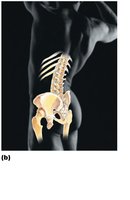
Skeletal System
The skeletal system protects and supports body organs, provides a framework for muscle movement, forms blood cells, and stores minerals.
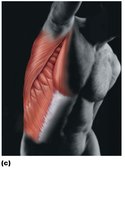
Muscular System
The muscular system allows manipulation of the environment, locomotion, and facial expression. It maintains posture and produces heat.
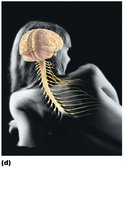
Nervous System
The nervous system is the fast-acting control system of the body, responding to internal and external changes by activating appropriate muscles and glands.
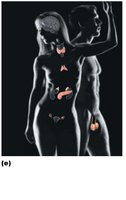
Endocrine System
The endocrine system’s glands secrete hormones that regulate processes such as growth, reproduction, and metabolism by body cells.
Cardiovascular System
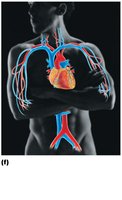
The cardiovascular system transports blood, which carries oxygen, carbon dioxide, nutrients, and wastes. The heart pumps blood through blood vessels.
Lymphatic System/Immunity
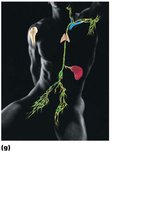
The lymphatic system picks up fluid leaked from blood vessels and returns it to blood, disposes of debris, and houses white blood cells involved in immunity.
Respiratory System
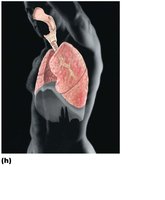
The respiratory system keeps blood supplied with oxygen and removes carbon dioxide. Gas exchange occurs through the walls of the air sacs of the lungs.
Digestive System
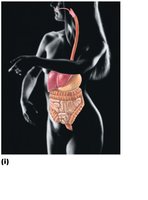
The digestive system breaks down food into absorbable units that enter the blood for distribution to body cells. Indigestible foodstuffs are eliminated as feces.
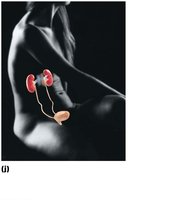
Urinary System
The urinary system eliminates nitrogenous wastes from the body and regulates water, electrolyte, and acid-base balance of the blood.
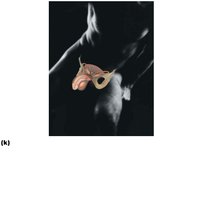
Male Reproductive System
The male reproductive system produces sperm and male sex hormones. Ducts and glands aid in delivery of sperm to the female reproductive tract.
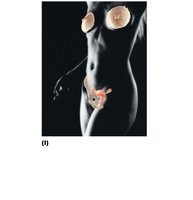
Female Reproductive System
The female reproductive system produces eggs and female sex hormones. Structures serve as sites for fertilization and development of the fetus. Mammary glands produce milk to nourish the newborn.
Survival Needs
Basic Requirements for Human Life
Humans require several factors for survival:
Nutrients: Chemicals for energy and cell building.
Oxygen: Essential for energy production (cellular respiration).
Water: Most abundant chemical in the body; site of chemical reactions.
Normal Body Temperature: Necessary for metabolic reactions.
Appropriate Atmospheric Pressure: Required for proper breathing and gas exchange.
Homeostasis
Definition and Importance
Homeostasis is the maintenance of relatively stable internal conditions despite continuous external changes. Organ systems work together, coordinated by the nervous and endocrine systems, to maintain homeostasis.
Examples of homeostatic variables: blood glucose, body temperature, blood volume, chemical composition of blood, blood pressure.
Variables must be maintained within preset ranges for optimal function.
Homeostatic Control Mechanisms
Homeostatic control involves three main components:
Receptor (Sensor): Detects changes in the environment (stimuli).
Control Center: Determines the set point and appropriate response.
Effector: Carries out the response to restore balance.
The effects of the response feed back to influence the stimulus, either reducing it (negative feedback) or enhancing it (positive feedback).
Feedback Mechanisms
Negative Feedback: Most common; the response reduces or shuts off the original stimulus (e.g., body temperature regulation, blood glucose control).
Positive Feedback: The response enhances or exaggerates the original stimulus (e.g., blood clotting, labor contractions); usually controls infrequent events.
Homeostatic Imbalance
Disease results from a disturbance of homeostasis. If negative feedback mechanisms are overwhelmed, normal balance cannot be restored, and homeostatic control systems become less efficient with age.
Example: Diabetes mellitus is a disease resulting from the inability to regulate blood glucose levels, illustrating the importance of homeostatic mechanisms.
