 뒤로
뒤로Introduction to Human Physiology: Core Concepts and Homeostasis
스터디 가이드 - 스마트 노트
 자료에 맞춘 맞춤형 노트, 핵심 정의, 예시, 맥락을 확장해 제공합니다.
Introduction to Anatomy & Physiology
Definition and Scope
Anatomy is the study of bodily structures and the physical relationships among body parts, while physiology is the study of bodily functions. Together, these disciplines provide a comprehensive understanding of how the human body is organized and how it operates.
Gross (Macroscopic) Anatomy: Focuses on large structures visible to the naked eye.
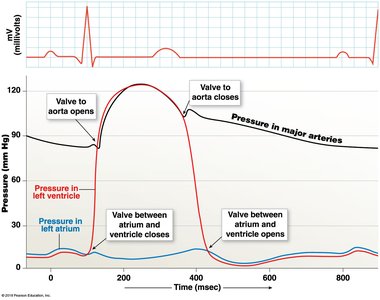
Physiology: Examines the mechanisms by which structures function, such as how the heart generates electrical signals to pump blood or how red blood cells carry oxygen.
Integration of Physiological Processes
Organ System Communication
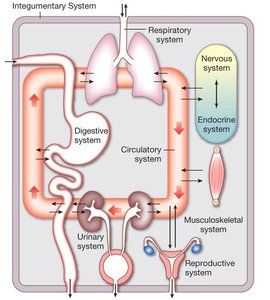
Physiological processes involve the integration and communication between organ systems. This integration ensures that the body functions as a coordinated whole.
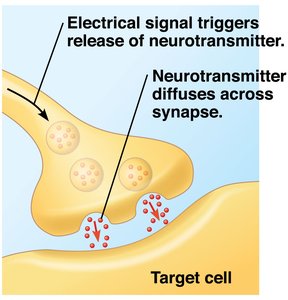
Organ systems communicate via chemical and electrical signals.
Examples: Blood pressure influences kidney function; hormones from the endocrine system affect heart rate.
Themes in Physiology
Structure and Function
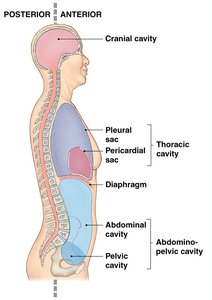
Structure and function are closely related at all levels of organization. Molecular interactions and compartmentation are key themes:
Molecular Interactions: Molecules interact to create cellular functions.
Compartmentation: Organs are separated into body cavities; cells are compartmentalized by membranes.
Energy Needs
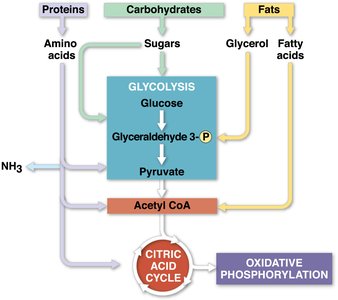
Living organisms require energy for cellular growth, repair, and reproduction. Energy is obtained from food molecules through metabolic pathways.
Metabolism: The sum of all chemical reactions in the body that manage material and energy resources.
Information Flow
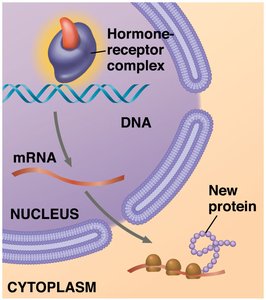
Information flow coordinates body functions through genetic and cellular signaling mechanisms.
Central Dogma: Information from DNA is used to make proteins.
Cell Signaling: Communication within the body via chemical and electrical signals.
Homeostasis
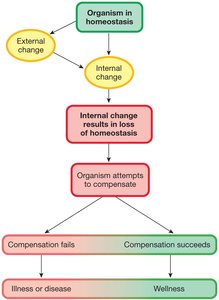
Homeostasis is the ability of the organism to maintain a relatively stable internal environment. It is a dynamic process essential for health.
Variables regulated include body temperature, blood pressure, and plasma glucose concentration.
Failure to maintain homeostasis leads to disease states (pathophysiology).
Internal Environment and Fluid Compartments
Extracellular and Intracellular Fluid
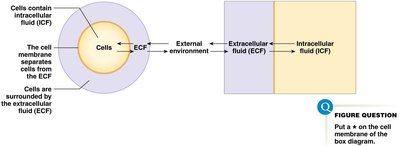
The body's internal environment consists of the extracellular fluid (ECF) outside cells and the intracellular fluid (ICF) inside cells. The cell membrane separates these compartments.
ECF: Surrounds cells and acts as a buffer between cells and the external environment.
ICF: Fluid within cells, containing high concentrations of potassium and proteins.
Mass Balance and Homeostasis
Law of Mass Balance
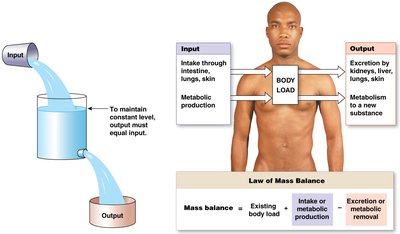
Homeostasis depends on mass balance, where any gain must be offset by an equal loss. The amount of a substance in the body is referred to as the body load.
Example: Water and sodium balance.
Input | Output |
|---|---|
Intake through intestine, lungs, skin; metabolic production | Excretion by kidneys, liver, lungs, skin; metabolism to new substance |
Steady State vs. Equilibrium
Steady State Disequilibrium
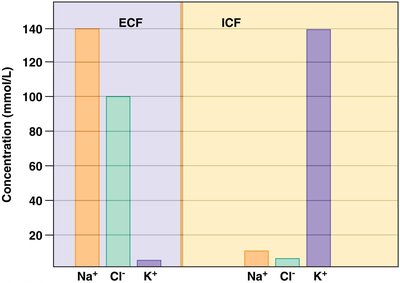
Homeostasis does not mean equilibrium. Instead, the body maintains a steady state where the composition of ECF and ICF is stable but not identical (disequilibrium).
Example: Sodium is higher in ECF, potassium is higher in ICF.
Control Systems in Homeostasis
Regulated Variables and Control Systems
Variables such as blood pressure, body temperature, and blood sugar are monitored and adjusted by physiological control systems.
Local Control: A cell or tissue senses a change and responds locally (e.g., paracrines increase blood flow to active tissue).
Reflex Control: Systemic changes are managed by the nervous or endocrine system through reflex pathways.
Reflex Pathways and Feedback Loops
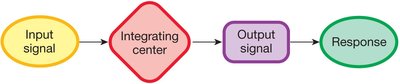
Reflex pathways involve a sequence of events: stimulus, sensor, integrating center, target, and response. Feedback loops modulate these responses.
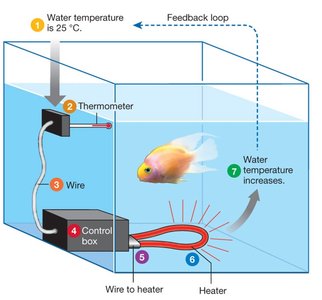
Negative Feedback Loop: The response counteracts the original stimulus, maintaining homeostasis.
Positive Feedback Loop: The response reinforces the stimulus, moving the variable further from the set point; requires an external factor to shut off.
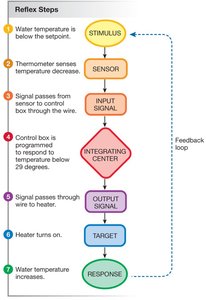
Examples of Feedback Loops
Negative Feedback Example: High heart rate triggers mechanisms to lower heart rate; low plasma glucose triggers mechanisms to increase glucose.
Positive Feedback Example: During childbirth, cervical stretch causes oxytocin release, which increases contractions until birth occurs.
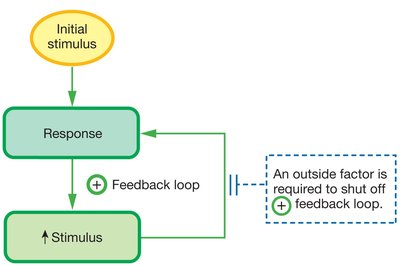
Biological Rhythms
Predictable Pattern Changes
Biological rhythms are predictable changes in physiological variables, such as body temperature and plasma cortisol, that follow regular cycles.
These rhythms help the body anticipate and adapt to environmental changes.
Summary Table: Key Concepts in Human Physiology
Concept | Definition | Example |
|---|---|---|
Anatomy | Study of structure | Gross anatomy of the heart |
Physiology | Study of function | How the heart pumps blood |
Homeostasis | Maintenance of stable internal environment | Regulation of body temperature |
Mass Balance | Input equals output | Water and sodium balance |
Negative Feedback | Response reduces stimulus | Blood glucose regulation |
Positive Feedback | Response amplifies stimulus | Childbirth contractions |
