 뒤로
뒤로Introduction to Pharmacology: Principles, Precautions, and Drug Administration
스터디 가이드 - 스마트 노트
 자료에 맞춘 맞춤형 노트, 핵심 정의, 예시, 맥락을 확장해 제공합니다.
Introduction to Pharmacology
Overview
Pharmacology is the study of drugs, their sources, properties, and effects on living organisms. It is essential for healthcare professionals to understand the principles of pharmacology to ensure safe and effective patient care.
Modern Health Care: Ongoing research leads to new treatments and drugs, including those for rare diseases (Orphan Drug Act).
Ethical, Moral, and Legal Implications: Drug availability and use raise important social questions.
Precautions Against Pathogens and Diseases
Airborne, Contact, and Droplet Precautions
Infection control is critical in healthcare settings to prevent the spread of pathogens. Different types of precautions are used depending on the mode of transmission.
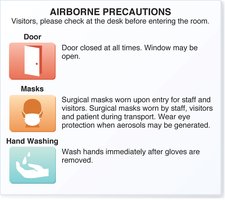
Airborne Precautions: Used for diseases transmitted through the air (e.g., tuberculosis). Requires closed doors, N95 masks, eyewear, and hand hygiene.
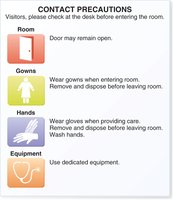
Contact Precautions: Used for diseases spread by direct contact. Involves gowns, gloves, hand hygiene, and dedicated equipment.
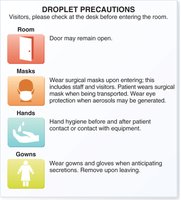
Droplet Precautions: Used for diseases spread by large respiratory droplets. Involves masks, gowns, gloves, and hand hygiene.
Sources of Drugs
Main Sources
Drugs can be derived from various sources, each contributing to the diversity of available medications.
Plants
Animals and Humans
Minerals or Mineral Products
Laboratory-Produced Chemicals
DNA-Produced Drugs
Microbiological Sources
Drug Approval Process
Stages of Drug Testing
The development and approval of new drugs involve several stages to ensure safety and efficacy.
Animal Studies: Initial testing on at least two animal species.
Clinical Trials:
Phase 1: Healthy volunteers, safety, and dosage comparison.
Phase 2: 50–300 patients, double-blind studies.
Phase 3: Large patient groups, long-term efficacy and side effects.
Phase 4: Submission to regulatory authorities (e.g., HPFB).
Drug Nomenclature
Types of Drug Names
Drugs are identified by several names, each serving a specific purpose.
Chemical Name: Describes the chemical composition and structure (e.g., Ethyl 1-methyl-4phenylisonipecotate hydrochloride).
Generic Name: Non-proprietary, not capitalized, often based on chemical composition (e.g., meperidine hydrochloride).
Trade (Brand) Name: Proprietary, capitalized, trademarked (e.g., Demerol).
Drug Standardization
Uniformity and Consistency
All drugs must meet strict standards for potency and quality (typically 95–105%) to ensure safety and efficacy.
Trade vs. Generic Drugs: Trade drugs are protected by patents; generics must meet the same standards after patent expiration.
Special Considerations in Drug Administration
Pregnancy, Pediatrics, and Geriatrics
Pregnancy: Drugs may cross the placental barrier; safety categories (A, B, C, D, X) guide use.
Pediatrics: Dosing is based on weight or body surface area; children may require smaller or more concentrated doses.
Geriatrics: Older adults may have altered drug metabolism and increased risk of adverse effects due to polypharmacy.
Drug Legislation and Schedules
Regulatory Framework
Controlled Drug and Substances Act: Regulates narcotics and controlled substances.
Food and Drug Act: Protects the public from harmful or mislabeled drugs.
Drug Schedules:
Schedule I: Non-prescription (OTC), low risk (e.g., aspirin).
Schedule II: Prescription drugs, require supervision (e.g., antibiotics).
Schedule III: Controlled substances/narcotics, high abuse potential (e.g., morphine).
Drug Preparations
Types of Drug Formulations
Drugs are prepared in various forms to suit different routes of administration and therapeutic needs.
Solutions: Drugs dissolved in water (e.g., normal saline, epinephrine).
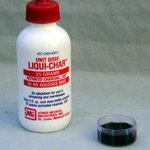
Suspensions: Solid particles dispersed in liquid, must be shaken (e.g., activated charcoal).
Capsules: Gelatin containers for single doses.
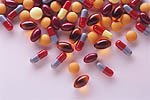
Tablets: Compressed medicinal powder.
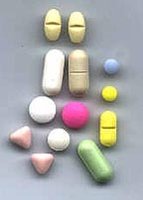
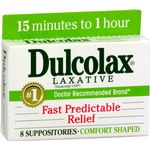
Suppositories: Semi-solid forms that melt at body temperature, used rectally.
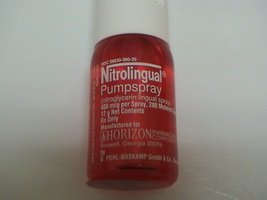
Sprays: Fine particles for topical or mucosal application.
Aerosols: Drugs delivered as a mist for inhalation.
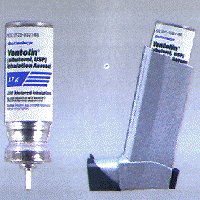
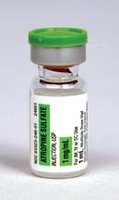
Vials and Ampules: Containers for injectable drugs, single or multi-dose.
Local vs. Systemic Effects
Drug Action
Local Effects: Drug acts at the site of application (e.g., topical anesthetics).
Systemic Effects: Drug is absorbed and distributed throughout the body, affecting multiple organs.
Routes of Drug Administration
Enteral Routes
Enteral administration involves the gastrointestinal tract.
Oral (PO): Swallowed and absorbed in the GI tract.
Rectal (PR): Inserted into the rectum, useful when oral route is not possible.
Orogastric/Nasogastric (OG/NG): Delivered via tube to stomach.

Parenteral Routes
Parenteral administration bypasses the GI tract for faster or targeted effects.
Intravenous (IV): Directly into the bloodstream, rapid onset.
Intramuscular (IM): Injected into muscle, slower absorption.
Subcutaneous (SC): Injected under the skin, slower absorption.

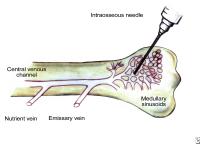
Intraosseous (IO): Into bone marrow, used in emergencies.
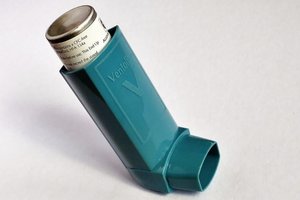
Inhalation: Drugs delivered to the lungs via nebulizer or inhaler.
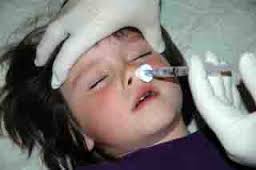
Intranasal (IN): Absorbed through nasal mucosa.
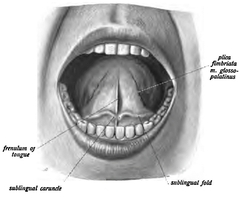
Sublingual/Buccal: Absorbed under the tongue or in the cheek.
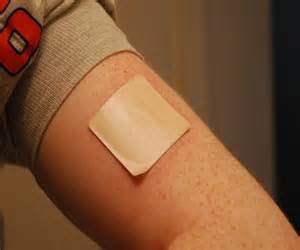
Topical/Transdermal: Applied to skin for local or systemic effect.
Comparison of Enteral and Parenteral Routes
Enteral Advantages: Simple, safe, low infection risk.
Parenteral Advantages: Rapid onset, useful in unconscious patients, predictable absorption.
Enteral Disadvantages: Slower onset, variable absorption, not suitable for unconscious patients.
Parenteral Disadvantages: Painful, higher infection risk, more severe side effects.
Rates of Drug Absorption
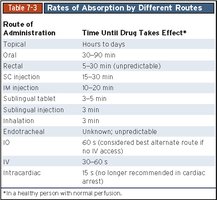
The rate at which drugs are absorbed depends on the route of administration. The following table summarizes the typical onset times for various routes:
Route of Administration | Time Until Drug Takes Effect* |
|---|---|
Topical | Hours to days |
Oral | 30–90 min |
Rectal | 5–30 min (unpredictable) |
SC injection | 15–30 min |
IM injection | 10–20 min |
Sublingual tablet | 3–5 min |
Sublingual injection | 3 min |
Inhalation | 3 min |
Endotracheal | Unknown; unpredictable |
IO | 60 s (best alternate if no IV access) |
IV | 30–60 s |
Intracardiac | 15 s (no longer recommended) |
Responses to Drug Administration
Key Terminology
Affinity: Attraction between a drug and its receptor.
Efficacy: Ability to produce a therapeutic effect.
Potency: Dose required to produce a specific effect.
Side Effect: Unintended response to a drug.
Allergic Reaction: Hypersensitivity to a drug.
Idiosyncrasy: Unusual drug effect unique to an individual.
Tolerance: Decreased response after repeated use.
Cross Tolerance: Tolerance to one drug confers tolerance to another.
Drug Dependence: Physical or psychological reliance on a drug.
Summation (Additive Effect): Combined effect equals the sum of individual effects.
Synergism: Combined effect is greater than the sum of individual effects.
Potentiation: One drug enhances the effect of another.
Factors Affecting Drug Response
Age
Body Mass
Sex
Environment
Time of Administration
Pathology
Genetics
Safe Drug Administration
Essential Components
Know the generic and trade names
Drug classification and mechanism of action
Indications and contraindications
Side/adverse effects and precautions
Routes, dosage, onset, and repeat times
Integrity of Medication
Check for chemical changes, color, clarity, concentration, and expiry date.
Store properly and avoid using deteriorated drugs.
The "Seven Rights" of Medication Administration
Right Medication
Right Dose
Right Time
Right Route
Right Patient
Right Documentation
Right to Refuse (patient)
Drug Errors
Never cover up errors; report immediately.
Treat and monitor the patient as needed.
Document exactly what happened.
Additional info: This guide provides foundational pharmacology concepts relevant to Anatomy & Physiology, focusing on drug sources, administration, and safety principles for healthcare students.
