 뒤로
뒤로Lab 1: Directionality, Body Regions, Planes, and Organ Systems
스터디 가이드 - 스마트 노트
 자료에 맞춘 맞춤형 노트, 핵심 정의, 예시, 맥락을 확장해 제공합니다.
Introduction to Anatomical Terminology
This study guide covers foundational concepts in human anatomy, including anatomical directionality, body regions, planes of section, and an overview of the major organ systems. Mastery of these topics is essential for understanding the structure and function of the human body in health and disease.
Directional Terms in Anatomy
Definition and Application
Directional terms are used to describe the locations of structures or the relationships between different parts of the body. These terms provide a standardized way to communicate anatomical information.
Anterior (ventral): Toward the front of the body.
Posterior (dorsal): Toward the back of the body.
Superior (cranial): Toward the head or upper part of a structure.
Inferior (caudal): Away from the head; toward the lower part of a structure.
Medial: Closer to the midline of the body.
Lateral: Farther from the midline of the body.
Proximal: Closer to the point of origin (usually the trunk).
Distal: Farther from the point of origin.
Superficial: Closer to the surface of the body.
Deep: Farther below the surface of the body.
Example: The heart is medial to the lungs. The wrist is distal to the elbow.
Body Regions
Major Body Regions and Their Importance
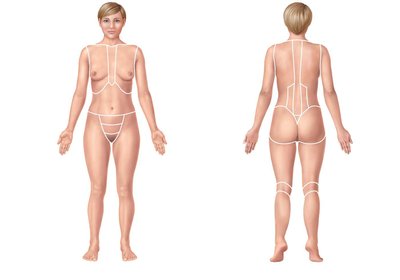
The body is divided into specific regions to facilitate anatomical study and clinical reference. These regions are identified from both anterior (front) and posterior (back) perspectives.
Head and Neck
Trunk (Thorax, Abdomen, Pelvis)
Upper Limb (Arm, Forearm, Hand)
Lower Limb (Thigh, Leg, Foot)
These regions are further subdivided for detailed study and clinical assessment.
Planes of Section
Understanding Anatomical Planes
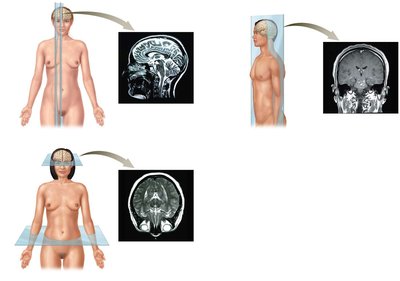
Planes of section are imaginary lines used to divide the body or organs for anatomical study and medical imaging.
Sagittal Plane: Divides the body into right and left portions. A midsagittal (median) plane divides the body into equal right and left halves; a parasagittal plane divides it into unequal portions.
Frontal (Coronal) Plane: Divides the body into anterior (front) and posterior (back) portions.
Transverse (Horizontal) Plane: Divides the body into superior (upper) and inferior (lower) portions.
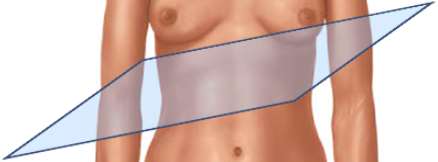
Oblique Plane: Passes through the body at an angle.
Example: MRI images are often taken in sagittal, coronal, or transverse planes to visualize internal structures.
Overview of the 11 Organ Systems
Major Organ Systems and Their Functions
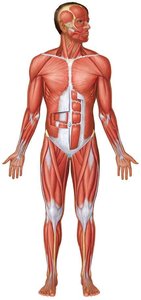
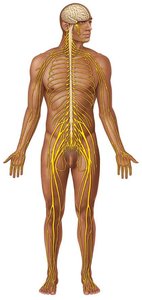
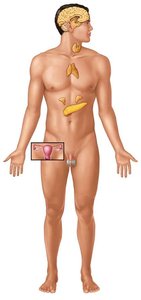
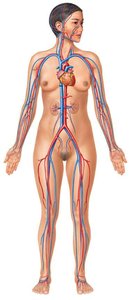
The human body is organized into 11 major organ systems, each with specific structures and functions essential for survival and homeostasis.
Organ System | Main Functions |
|---|---|
Integumentary | Protection, temperature regulation, sensation |
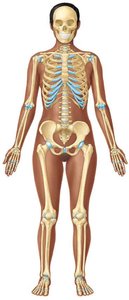
Skeletal | Support, movement, protection, blood cell production |
Muscular | Movement, posture, heat production |
Nervous | Control, coordination, response to stimuli |
Endocrine | Hormone production, regulation of metabolism |
Cardiovascular | Transport of nutrients, gases, wastes |
Lymphatic | Immunity, fluid balance |
Respiratory | Gas exchange (O2/CO2) |
Digestive | Breakdown and absorption of nutrients |
Urinary | Waste elimination, water/electrolyte balance |
Reproductive | Production of offspring |
Example: The cardiovascular system includes the heart and blood vessels, which transport blood throughout the body.

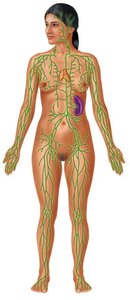
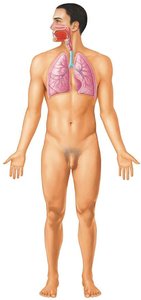
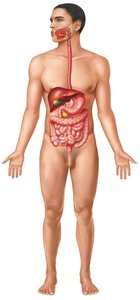
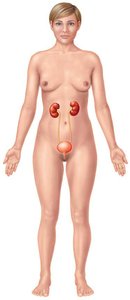

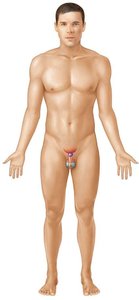
Abdominopelvic Quadrants
Division and Clinical Importance
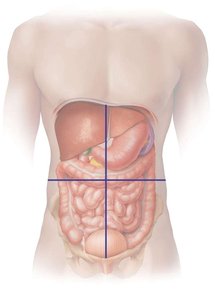
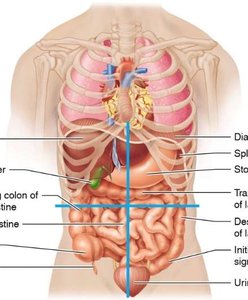
The abdominopelvic cavity is divided into four quadrants for clinical assessment and localization of pain or pathology:
Right Upper Quadrant (RUQ)
Left Upper Quadrant (LUQ)
Right Lower Quadrant (RLQ)
Left Lower Quadrant (LLQ)
These quadrants help clinicians describe the location of organs, pain, or abnormalities.
Summary Table: Directional Terms
Term | Definition | Example |
|---|---|---|
Anterior (ventral) | Toward the front | The sternum is anterior to the heart |
Posterior (dorsal) | Toward the back | The spine is posterior to the stomach |
Superior (cranial) | Toward the head | The nose is superior to the mouth |
Inferior (caudal) | Toward the tail | The stomach is inferior to the heart |
Medial | Closer to the midline | The heart is medial to the lungs |
Lateral | Farther from the midline | The arms are lateral to the chest |
Proximal | Closer to the point of origin | The elbow is proximal to the wrist |
Distal | Farther from the point of origin | The fingers are distal to the elbow |
Superficial | Closer to the surface | The skin is superficial to the muscles |
Deep | Farther below the surface | The bones are deep to the skin |
Additional info: Mastery of these terms and concepts is foundational for all further study in anatomy and physiology, as they provide the language and framework for describing the human body in health and disease.
