 뒤로
뒤로Medication Administration and the Nursing Process of Drug Therapy: Principles, Calculations, and Injection Sites
스터디 가이드 - 스마트 노트
 자료에 맞춘 맞춤형 노트, 핵심 정의, 예시, 맥락을 확장해 제공합니다.
Chapter 03: Medication Administration and the Nursing Process of Drug Therapy
"Rights" of Medication Administration
Safe and effective medication administration is guided by a set of principles known as the "rights" of medication administration. These ensure that each step in the process is performed correctly to minimize errors and maximize patient safety.
Right drug: Confirm the correct medication is being administered.
Right dose: Ensure the correct amount is given.
Right patient: Verify the identity of the patient before administration.
Right assessment: Assess the patient’s condition and appropriateness for the medication.
Right route: Use the correct method of administration (e.g., oral, intravenous).
Right time: Administer at the correct time intervals.
Right reason: Confirm the indication for the medication.
Right to refuse: Respect the patient’s right to refuse medication.
Right documentation: Accurately record all aspects of medication administration.
Right patient education: Inform the patient about the medication and its effects.
Right evaluation: Assess the patient’s response to the medication.
Accurate Drug Administration Principles
Accuracy in drug administration is essential for patient safety and therapeutic effectiveness. Nurses must consistently apply the "rights," understand medications, and use proper techniques.
Follow the "rights" consistently.
Learn essential information about each medication.
Interpret and transcribe orders accurately, using approved abbreviations only.
Calculate and measure doses precisely.
Use correct procedures for all administration routes.
Verify patient identity before administration.
Document omissions or delays as indicated by patient condition.
Maintain up-to-date knowledge and skills.
Legal Responsibilities in Medication Administration
Nurses have legal responsibilities to ensure safe and accurate medication administration. This includes recognizing and questioning erroneous orders, refusing unsafe medications, and delegating tasks in compliance with the law.
Safe, accurate administration
Questioning erroneous orders
Refusing unsafe medications
Delegating appropriately
Medication Errors
Consequences and Common Types
Medication errors can have serious consequences, including illness, prolonged hospitalization, or death. Common errors include incorrect dosing, omission of ordered medications, and administration of unordered drugs. High-risk medications include insulin, heparin, and warfarin.
Medication Systems and Orders
Medication Systems
Healthcare facilities use various systems to manage medications and reduce errors, such as unit dose systems, computerized cabinets, bar coding, and medication reconciliation. Computerized Provider Order Entry (CPOE) is preferred for reducing transcription errors.
Medication Orders
Medication orders must include the patient’s full name, medication name (preferably generic), dose, route, frequency, date, time, and prescriber’s signature. Orders may be entered by computer, handwritten, or given verbally/telephonically (with appropriate signatures).
Drug Preparation and Dosage Forms
Forms of Medication
Medications are available in various forms for systemic or local effects, including liquids, tablets, capsules, suppositories, transdermals, and injections. Controlled-release forms (CR, SR, XL) provide sustained drug levels and should not be altered before administration.
Calculating Medication Dosages
Dosage Calculation Formula
Accurate calculation is critical. The basic formula for calculating medication dosages is:
D = Desired dose (ordered, often in mg)
H = Available dose (on label, often in mg per tablet/capsule/mL)
V = Volume or unit (e.g., mL, tablet)
X = Amount to administer
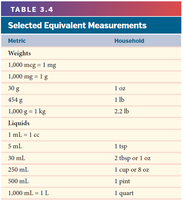
Selected Equivalent Measurements
Understanding metric and household equivalents is essential for accurate medication administration.
Metric | Household |
|---|---|
1,000 mcg = 1 mg | |
1,000 mg = 1 g | |
30 g | 1 oz |
454 g | 1 lb |
1,000 g = 1 kg | 2.2 lb |
1 mL = 1 cc | |
5 mL | 1 tsp |
30 mL | 2 tbsp or 1 oz |
250 mL | 1 cup or 8 oz |
500 mL | 1 pint |
1,000 mL = 1 L | 1 quart |
Routes of Medication Administration
Common Routes
Medications can be administered by various routes, each with specific indications and techniques:
Oral (PO): By mouth
Parenteral: Injected (includes Subcutaneous, Intramuscular, Intravenous)
Topical: Applied to skin or mucous membranes
Injection Sites and Techniques
Subcutaneous (Sub-Q) Injection Sites
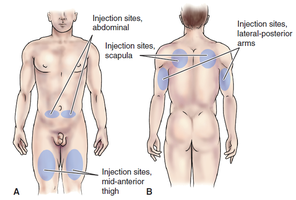
Subcutaneous injections are commonly administered in areas with adequate fat tissue, such as the upper arms, abdomen, back, and thighs. Proper site selection helps ensure effective absorption and reduces complications.
Intramuscular (IM) Injection Sites
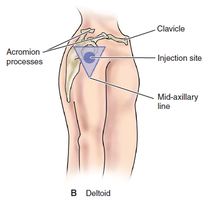
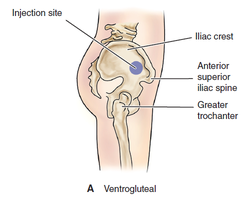
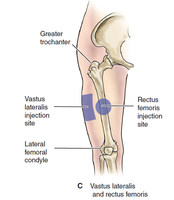
IM injections are given into specific muscles to ensure proper absorption and minimize injury risk. Common sites include:
Deltoid muscle: Upper arm, below the acromion process
Ventrogluteal site: Hip area, preferred for larger volumes
Vastus lateralis: Lateral thigh, often used in children
Intravenous (IV) Injection Sites
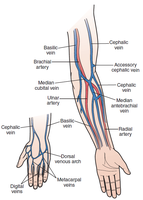
IV injections are administered directly into veins, commonly in the back of the hands or forearms. Proper vein selection is crucial for effective therapy and minimizing complications.
Nursing Process in Drug Therapy
Steps of the Nursing Process
The nursing process is a systematic approach to individualized patient care, including medication administration. It involves:
Assessment: Collecting patient data, including medication history
Nursing diagnosis: Identifying patient needs related to drug therapy
Planning/Goal setting: Establishing measurable outcomes
Interventions: Administering medications and other actions
Evaluation: Assessing patient response and outcomes
Assessment: Medication History
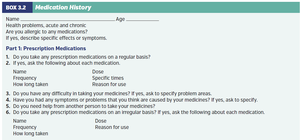
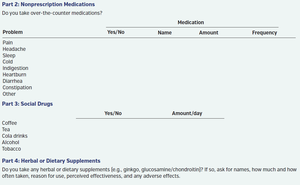
Obtaining a thorough medication history is essential for safe drug therapy. This includes prescription, nonprescription, social, and herbal/dietary supplement use.
General and Specific Nondrug Interventions
Nondrug interventions can enhance therapeutic effects or reduce adverse effects. These include promoting healthy lifestyles, infection prevention, ambulation, and patient education.
Promoting nutrition, fluids, exercise, rest, and sleep
Hand hygiene and infection prevention
Ambulating, positioning, and assisting with breathing exercises
Applying heat or cold as needed
Recording vital signs and other relevant data
Drug Therapy Evaluation Criteria
Evaluation involves monitoring progress toward outcomes, relief of symptoms, accurate administration, avoidance of preventable adverse effects, and patient adherence. Most outcomes are evaluated over hours or days.
Evidence-Based Practice and Herbal/Dietary Supplement Concerns
Evidence-based practice integrates scientific evidence, clinical expertise, and patient preferences for optimal care. Herbal and dietary supplements may pose safety concerns due to unknown effects, nonstandardized ingredients, and potential interactions with prescription medications.
