 뒤로
뒤로Orientation to the Human Body: Structure, Function, and Organization
스터디 가이드 - 스마트 노트
 자료에 맞춘 맞춤형 노트, 핵심 정의, 예시, 맥락을 확장해 제공합니다.
Orientation to the Body
Characteristics of Life
All living organisms share several fundamental characteristics that distinguish them from non-living matter. These characteristics are essential for maintaining life and adapting to environmental changes.
Homeostasis: The ability to maintain a stable internal environment despite external fluctuations.
Cellular Composition: All living things are composed of one or more cells, the basic units of life.
Use of Raw Materials and Removal of Waste: Organisms take in nutrients and eliminate waste products to sustain life.
Metabolism: The sum of all chemical reactions in the body, including energy production and usage.
Responsiveness: The ability to sense and respond to environmental stimuli.
Development: Growth (increase in size) and differentiation (specialization of cells).
Reproduction: The production of new organisms or cells.
Evolution: Genetic changes in populations over generations.
Anatomy and Physiology
Definitions
Anatomy is the study of the structure and shape of the body and its parts. Physiology is the study of the function of the body and its parts. Both disciplines are closely related, as structure often determines function.
Levels of Organization of the Body
Hierarchical Structure
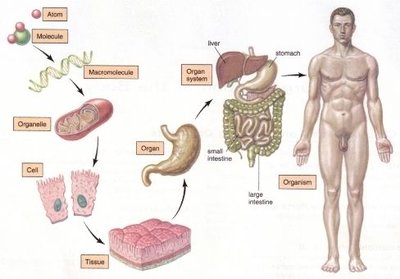
The human body is organized into a hierarchy of structural levels, each building upon the previous one:
Chemicals: Atoms combine to form molecules.
Cells: Molecules combine to form the smallest units of life.
Tissues: Groups of similar cells with a common function.
Organs: Structures composed of two or more tissue types with a specific function.
Organ Systems: Groups of organs that work together to perform complex functions.
Organism: The complete living being.
Organ Systems Overview
Major Organ Systems
The human body consists of several organ systems, each with specialized structures and functions:
Integumentary System: Skin and associated structures (hair, nails, glands, nerves).
Skeletal System: Bones, cartilage, ligaments, and joints.
Muscular System: Muscles and tendons.
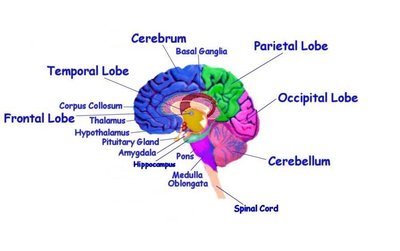
Nervous System: Brain, spinal cord, nerves, and sensory receptors.
Integumentary System
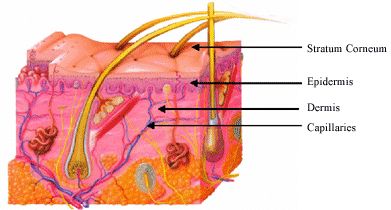
The integumentary system forms the body's outer covering and protects internal structures.
Components: Skin (epidermis and dermis), hair, nails, sweat glands, oil glands, and sensory receptors.
Functions:
Acts as a waterproof barrier to prevent dehydration.
Cushions and protects the body from injury.
Regulates body temperature through fat insulation, shivering, and blood flow.
Produces vitamin D when exposed to sunlight.
Provides UV protection and self-healing capabilities.
Detects pressure, pain, and temperature changes.
Facilitates communication through sensory input.
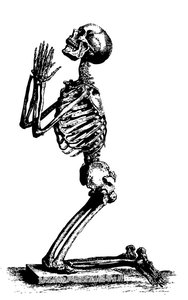
Skeletal System
The skeletal system provides structural support and protection for the body.
Components: Bones, cartilage, ligaments, and joints.
Functions:
Supports the body and maintains its shape.
Protects vital organs (e.g., skull protects the brain, rib cage protects the heart and lungs).
Acts as a framework for muscle attachment and movement.
Maintains pH balance by storing and releasing minerals.
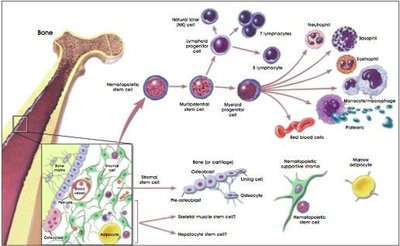
Performs hematopoiesis (production of blood cells in bone marrow).
Stores minerals such as calcium and phosphorus.
Muscular System
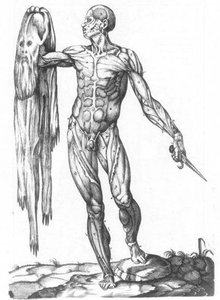
The muscular system enables movement and helps regulate body temperature.
Components: Muscles and tendons.
Functions:
Muscle contraction produces movement of the body and its parts.
Helps maintain body temperature through heat production.
Provides protection for internal organs.

Nervous System
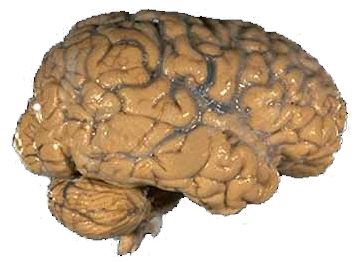
The nervous system is the body's fast-acting control system, responsible for communication, integration, and response to stimuli.
Components: Brain, spinal cord, nerves, and sensory receptors.
Functions:
Receives sensory input from the environment.
Processes and integrates information.
Initiates motor output to muscles and glands.
Coordinates rapid responses to changes in the internal and external environment.
Anatomical Position and Directional Terms
Anatomical Position
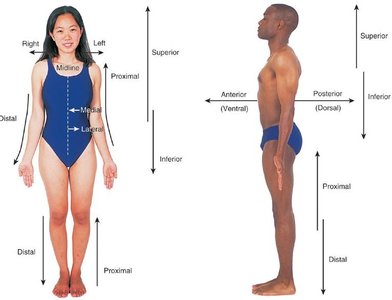
The anatomical position is a standard reference used to describe the location and direction of body parts. The body stands erect, feet parallel, arms at the sides, and palms facing forward.
Directional Terms
Directional terms are used to describe the locations of structures relative to other structures or locations in the body.
Superior (Cranial/Cephalic): Toward the head or upper part; above.
Inferior (Caudal): Away from the head; toward the lower part; below.
Anterior (Ventral): Toward or at the front of the body.
Posterior (Dorsal): Toward or at the back of the body.
Medial: Toward the midline of the body.
Lateral: Away from the midline of the body.
Proximal: Closer to the origin or point of attachment.
Distal: Farther from the origin or point of attachment.
Superficial: Toward or at the body surface.
Deep: Away from the body surface; more internal.
Regional Terms
Anterior and Posterior Body Regions
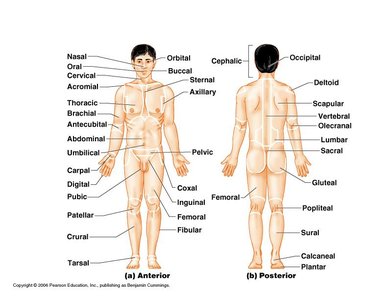
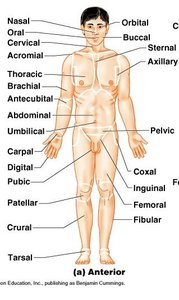
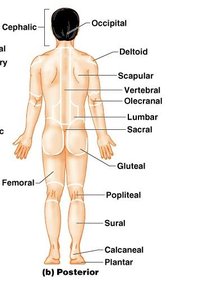
Regional terms specify particular areas of the body, aiding in precise anatomical description.
Anterior Region | Posterior Region |
|---|---|
Axillary (armpit) | Dorsal (back) |
Acromial (shoulder tip) | Plantar (sole of foot) |
Brachial (arm) | Deltoid (shoulder) |
Carpal (wrist) | Gluteal (buttock) |
Cervical (neck) | Lumbar (lower back) |
Digital (fingers/toes) | Occipital (back of head) |
Femoral (thigh) | |
Frontal (forehead) | |
Orbital (eye area) | |
Patellar (kneecap) | |
Tarsal (ankle) | |
Thoracic (chest/rib cage) | |
Pectoral (breast) |
Body Planes and Sections
Major Body Planes
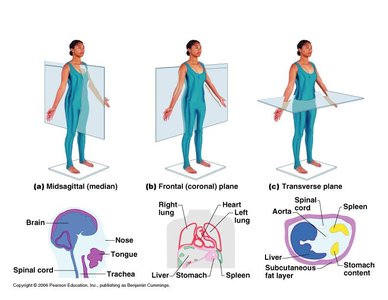
Body planes are imaginary lines used to divide the body into sections for anatomical study and medical imaging.
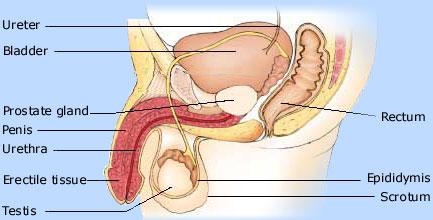
Sagittal Plane: Divides the body into right and left parts. The midsagittal (median) plane divides the body into equal right and left halves.
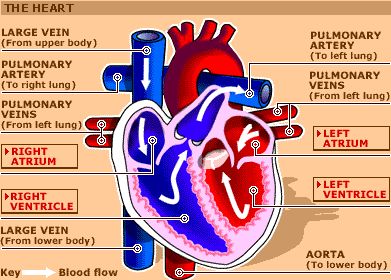
Frontal (Coronal) Plane: Divides the body into anterior (front) and posterior (back) parts.
Transverse Plane: Divides the body into superior (upper) and inferior (lower) parts.
Homeostasis
Definition and Importance
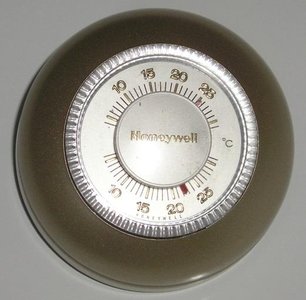
Homeostasis is the ability of the body to maintain a constant internal environment in response to environmental changes. It is a dynamic equilibrium, meaning that conditions fluctuate within a narrow range.
Homeostatic Control Mechanisms
Homeostasis is maintained primarily by negative feedback mechanisms, which counteract deviations from a set point.
Receptor (Sensor): Detects changes in the environment (stimuli).
Sensory Pathway: Transmits information to the control center.
Control/Integration Center: Usually the brain or spinal cord; processes information and determines the response.
Motor Pathway: Carries instructions from the control center to effectors.
Effector: Produces a response to restore equilibrium.
Negative Feedback Example: Blood Pressure Regulation
Carotid Bodies (Receptors): Detect high blood pressure.
Sensory Nerves: Carry information to the brain.
Cardioregulatory Center (Control Center): Located in the brain; processes the information.
Motor Nerves: Transmit signals to the heart.
Heart (Effector): Slows down to reduce blood pressure.
Additional info: Negative feedback loops are the most common homeostatic mechanisms. Positive feedback loops, in contrast, amplify changes and are less common (e.g., blood clotting, childbirth).
