뒤로
뒤로Overview of Human Organ Systems
스터디 가이드 - 스마트 노트
 자료에 맞춘 맞춤형 노트, 핵심 정의, 예시, 맥락을 확장해 제공합니다.
Organ Systems of the Human Body
The human body is organized into multiple organ systems, each with specialized structures and functions that contribute to overall health and homeostasis. Understanding these systems is foundational for the study of Anatomy & Physiology.
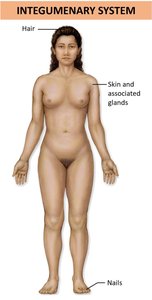
Integumentary System
The integumentary system forms the body’s outer covering and serves as the first line of defense against environmental hazards.
Major Organs/Accessory Structures: Skin, hair, nails, tactile receptors, sweat glands, sebaceous glands
Major Functions:
Protection against mechanical injury, pathogens, and dehydration
Regulation of body temperature
Sensory reception (touch, pain, temperature)
Synthesis of vitamin D
Insulation & fat storage
Excretion of salts and wastes through sweat
Example: The skin acts as a barrier to prevent the entry of microorganisms.
Skeletal System
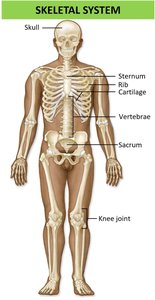
The skeletal system provides structural support, protects internal organs, and enables movement in conjunction with the muscular system.
Major Organs/Accessory Structures: Bones, cartilages, ligaments, joints, bone marrow.
Major Functions:
Support and framework for the body
Protection of vital organs (e.g., skull protects the brain, rib cage protects the heart and lungs)
Leverage for movement
Mineral storage (especially calcium and phosphate)
Blood cell production (hematopoiesis in bone marrow)
Example: The femur supports body weight during standing and walking.
Muscular System
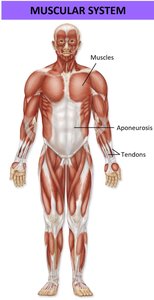
The muscular system is responsible for movement, posture, and heat production through the contraction of muscles.
Major Organs/Accessory Structures: Skeletal muscles, tendons.
Major Functions:
Movement of the body and its parts
Protect underlying tissues
Controls body openings via sphincters
Maintenance of posture
Production of body heat (thermogenesis)
Example: The biceps brachii muscle flexes the forearm at the elbow.
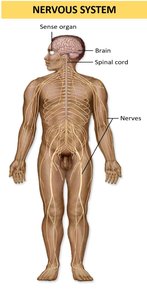
Nervous System
The nervous system is the body’s fast-acting control system, coordinating responses to internal and external stimuli.
Major Organs/Accessory Structures: Brain, spinal cord, peripheral nerves, sensory receptors.
Major Functions:
Detection of stimuli and sensory input
Integration and interpretation of sensory information
Coordination of voluntary and involuntary responses
Regulation of activities of other organ systems
Example: The nervous system controls muscle contraction during reflex actions.
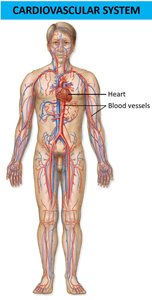
Cardiovascular System
The cardiovascular system transports nutrients, gases, hormones, and wastes throughout the body via the blood.
Major Organs/Accessory Structures: Heart, blood vessels (arteries, veins, capillaries).
Major Functions:
Distribution of oxygen and nutrients to tissues
Removal of carbon dioxide and metabolic wastes
Transport of hormones
Regulation of body temperature and pH
Generate blood pressure
Example: The heart pumps oxygenated blood to the body via the aorta.
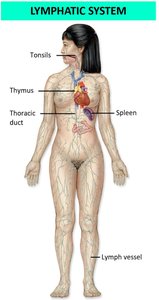
Lymphatic System
The lymphatic system supports immune function and helps maintain fluid balance in the body.
Major Organs/Accessory Structures: Lymph nodes, lymphatic vessels, spleen, thymus, tonsils.
Major Functions:
Return of interstitial fluid to the bloodstream
Absorption of dietary fats from the digestive tract
Defense against pathogens (immune response)
Example: Lymph nodes filter lymph to remove bacteria and foreign particles.
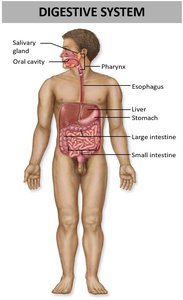
Digestive System
The digestive system breaks down food into absorbable units and eliminates indigestible wastes.
Major Organs/Accessory Structures: Teeth, tongue, salivary glands, pharynx, esophagus, stomach, liver, gallbladder, pancrease, small intestine, large interstine
Major Functions:
Ingestion and mechanical breakdown of food
Chemical digestion and absorption of nutrients
Elimination of solid wastes
Story energy reserves
Example: The small intestine absorbs nutrients into the bloodstream.
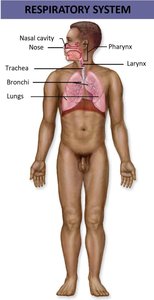
Respiratory System
The respiratory system facilitates the exchange of oxygen and carbon dioxide between the body and the environment.
Major Organs/Accessory Structures: Nose, nasal cavity, sinuses, pharynx, larynx, trachea, bronchi, branchioles, lungs, alveoli
Major Functions:
Intake of oxygen and removal of carbon dioxide
Regulation of blood pH
Vocalization (production of sounds)
Example: The alveoli in the lungs are the primary sites of gas exchange.
Urinary System
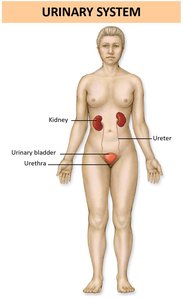
The urinary system removes metabolic wastes from the blood and regulates water, electrolyte, and acid-base balance.
Major Organs/Accessory Structures: Kidneys, ureters, urinary bladder, urethra.
Major Functions:
Excretion of nitrogenous wastes (e.g., urea, creatinine)
Regulation of blood volume and pressure
Control of water and electrolyte balance
Regulation of acid-base balance
Example: The kidneys filter blood to form urine.
Endocrine System
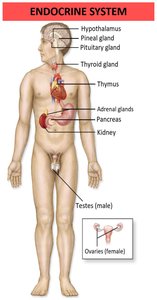
The endocrine system consists of glands that secrete hormones to regulate various physiological processes.
Major Organs/Accessory Structures: Pituitary gland, thyroid gland, parathyroid glands, adrenal glands, pancreas, gonads (testes and ovaries), hypothalamus, pineal gland.
Major Functions:
Regulation of growth, metabolism, and development
Control of reproductive processes
Maintenance of homeostasis (e.g., blood glucose, calcium levels)
Coordination with the nervous system for body regulation
Example: The pancreas secretes insulin to regulate blood glucose levels.
Male Reproductive System
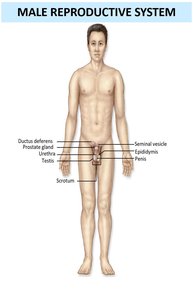
The male reproductive system produces sperm and delivers them to the female reproductive tract.
Major Organs/Accessory Structures: Testes, epididymis, ductus deferens, seminal vesicles, prostate gland, urethra, penis, scrotum.
Major Functions:
Production of sperm (spermatogenesis)
Secretion of male sex hormones (e.g., testosterone)
Delivery of sperm to the female reproductive tract
Example: The testes produce sperm and testosterone.
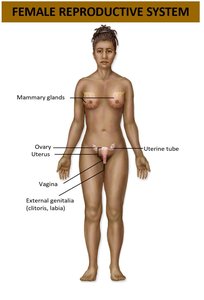
Female Reproductive System
The female reproductive system produces eggs, supports fertilization and fetal development, and enables childbirth and nourishment of offspring.
Major Organs/Accessory Structures: Ovaries, uterine tubes (fallopian tubes), uterus, vagina, mammary glands, external genitalia (clitoris, labia).
Major Functions:
Production of eggs (oogenesis)
Secretion of female sex hormones (e.g., estrogen, progesterone)
Reception of sperm, fertilization, and support of fetal development
Childbirth and nourishment of newborns (lactation)
Example: The ovaries release eggs and produce estrogen and progesterone.