 뒤로
뒤로Overview of Human Organ Systems and Comparative Anatomy with Rat Dissection
스터디 가이드 - 스마트 노트
 자료에 맞춘 맞춤형 노트, 핵심 정의, 예시, 맥락을 확장해 제공합니다.
Introduction to Organ Systems
Levels of Organization in the Body
The human body is organized into hierarchical levels, each with increasing complexity. Understanding these levels is fundamental to the study of anatomy and physiology.
Chemical Level: Atoms and molecules essential for life.
Cellular Level: The cell is the basic unit of all living things.
Tissue Level: Groups of similar cells performing a common function. Four primary tissue types: epithelial, connective, muscular, and nervous.
Organ Level: Structures composed of two or more tissue types that perform specific functions (e.g., the small intestine).
Organ System Level: Groups of organs working together to perform complex functions.
Organismal Level: The living human being as a whole.
Definition: An organ is a structure composed of at least two tissue types that performs a specific function for the body.
Overview of Human Organ Systems
Major Organ Systems, Their Components, and Functions
The human body contains 11 major organ systems, each with distinct functions and major organs. The following table summarizes these systems:
Organ System | Major Organs | Main Functions |
|---|---|---|
Integumentary | Skin, cutaneous sense organs, glands | Protection, excretion, temperature regulation, vitamin D production |
Skeletal | Bones, cartilages, ligaments, joints | Support, protection, movement, blood cell formation |
Muscular | Skeletal muscles | Movement, heat generation |
Nervous | Brain, spinal cord, nerves, sensory receptors | Rapid internal communication, homeostasis |
Endocrine | Pituitary, thyroid, adrenal glands, pancreas, ovaries, testes | Hormone production, growth, metabolism regulation |
Cardiovascular | Heart, blood vessels, blood | Transport of substances, immune response |
Lymphatic/Immunity | Lymph nodes, lymphatic vessels, spleen, thymus, tonsils | Fluid return, immune defense |
Respiratory | Nasal passages, pharynx, larynx, trachea, bronchi, lungs | Gas exchange, acid-base balance |
Digestive | Mouth, esophagus, stomach, intestines, liver, pancreas | Food breakdown, nutrient absorption, waste elimination |
Urinary | Kidneys, ureters, bladder, urethra | Waste elimination, water/electrolyte/acid-base balance |
Reproductive | Male: testes, penis, duct system; Female: ovaries, uterus, vagina | Production of gametes, support of offspring |
Example: The digestive system includes the oral cavity, esophagus, stomach, intestines, and accessory organs such as the liver and pancreas. Its main function is to break down food and absorb nutrients.
Laboratory Dissection: Comparative Anatomy Using the Rat
Purpose and Relevance
Dissecting a rat provides valuable insight into mammalian anatomy, as many structures are analogous to those in humans. This hands-on approach reinforces the identification and understanding of organ systems.
Preparation and Initial Steps
Wear gloves for safety and hygiene.
Secure the specimen (rat) to the dissecting tray using pins or twine.
Observe the major body divisions: head, trunk, and extremities.
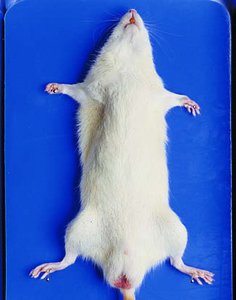
Making the Initial Incision
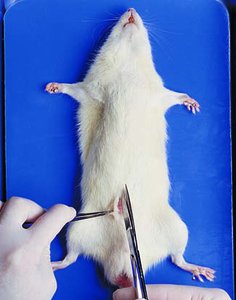
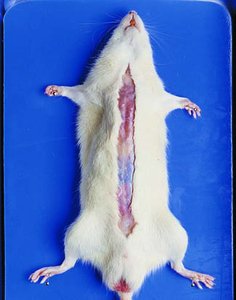
Lift the abdominal skin with forceps and make a midline incision from the pubic region to the lower jaw.
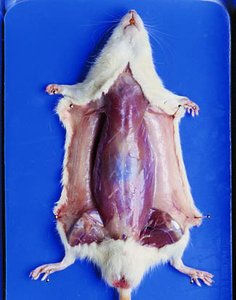
Reflect the skin laterally to expose the underlying musculature.
Opening the Ventral Body Cavity
Carefully cut through the abdominal muscles, avoiding underlying organs.
Make lateral cuts at the base of the rib cage and cut the diaphragm to access the thoracic cavity.
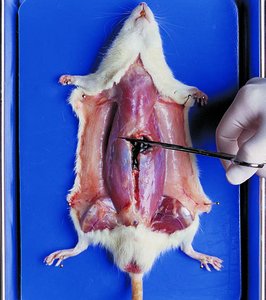
Identifying Major Organs in the Thoracic and Abdominopelvic Cavities
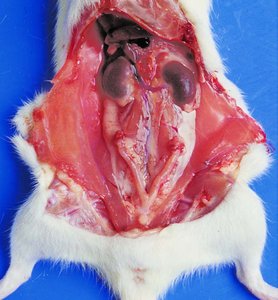
Thoracic Cavity: Thymus, heart (within pericardium), lungs, trachea, bronchi, esophagus, diaphragm.
Abdominopelvic Cavity: Stomach, small intestine, large intestine, cecum, rectum, anus, mesentery, pancreas, spleen, liver, kidneys, adrenal glands, ureters, urinary bladder, reproductive organs (testes/ovaries, uterus, etc.).
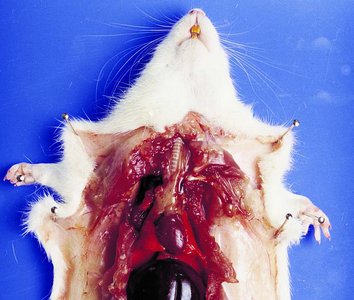
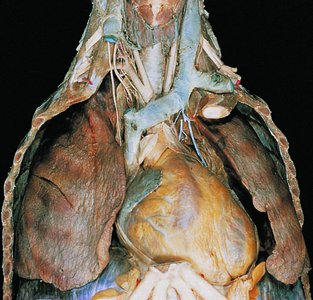
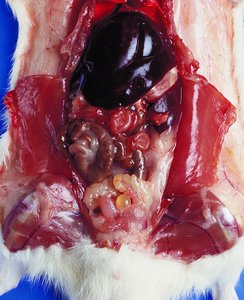
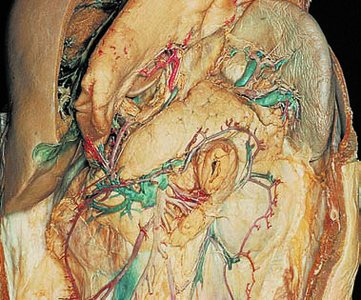
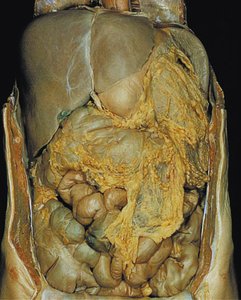
Deeper Structures and Reproductive Anatomy
Kidneys: Bean-shaped, retroperitoneal organs responsible for filtering blood and producing urine.
Adrenal Glands: Sit atop the kidneys; part of the endocrine system.
Ureters and Urinary Bladder: Transport and store urine.
Male Reproductive Organs: Testes, ductus (vas) deferens, penis, prostate, seminal vesicles.
Female Reproductive Organs: Ovaries, uterine horns (rat), uterus (single chamber in humans), vagina.
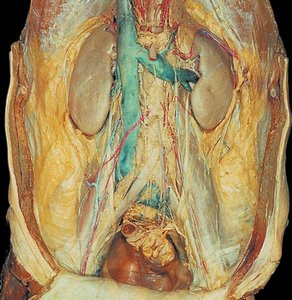
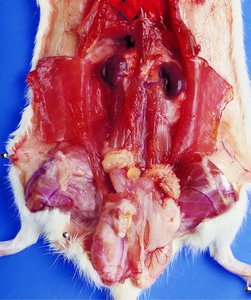
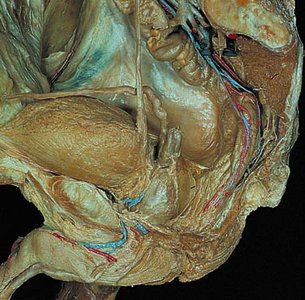
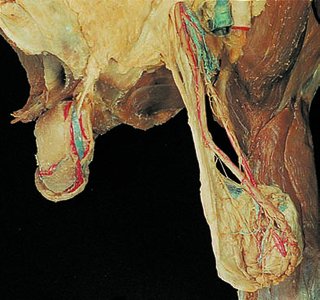
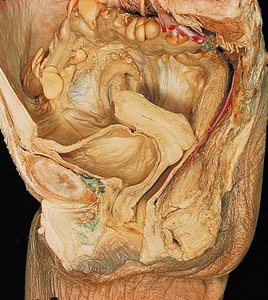
Human Reproductive Anatomy (Cadaver and Model)
Male: Testis, ductus deferens, penis, prostate, seminal vesicle, urethra.
Female: Ovary, uterine tube, uterus, vagina, vaginal orifice.
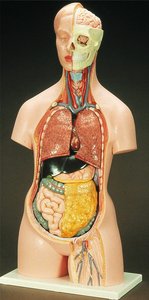
Human Torso Model
Torso models are used to identify and study the spatial relationships of organs within the body cavities. Organs can be removed to view deeper structures.
Summary Table: Organ Systems and Key Functions
Function | Organ System |
|---|---|
Rids the body of nitrogen-containing wastes | Urinary |
Maintains homeostasis via rapid electrical signals | Nervous |
Keeps blood supplied with oxygen, removes CO2 | Respiratory |
Delivers oxygen and nutrients to tissues | Cardiovascular |
Breaks down food into absorbable units | Digestive |
Protects body, destroys bacteria and tumor cells | Lymphatic/Immunity |
Controls the body by means of hormones | Endocrine |
Provides support and levers for movement | Skeletal |
Moves the limbs, facial expression | Muscular |
Facilitates conception and childbearing | Reproductive |
Protects underlying organs from drying out and mechanical damage | Integumentary |
Academic Context and Application
Studying the rat's anatomy helps students understand the structure and function of human organ systems due to the similarities between mammalian species.
Dissection reinforces the identification of organs and their relationships within body cavities.
Understanding organ systems is foundational for advanced study in anatomy, physiology, and health sciences.
Additional info: The immune system is functionally included within the lymphatic system, and the acid-base balance of the blood is regulated by both the respiratory and urinary systems.
