 뒤로
뒤로Overview of Human Organ Systems and Comparative Anatomy: Rat Dissection
스터디 가이드 - 스마트 노트
 자료에 맞춘 맞춤형 노트, 핵심 정의, 예시, 맥락을 확장해 제공합니다.
Organ Systems Overview
Introduction to Organ Systems
The human body is organized into organ systems, each composed of multiple organs working together to perform specific functions essential for life. Understanding these systems is fundamental in anatomy and physiology, and comparative anatomy (such as rat dissection) provides valuable insight into human structure and function.
Cell: The basic unit of all living things.
Tissue: Groups of similar cells performing a common function; four types: epithelial, muscular, nervous, and connective.
Organ: Structure composed of two or more tissue types performing a specific function.
Organ System: Group of organs acting together to perform a particular body function.
Example: The small intestine is an organ composed of all four tissue types, responsible for digestion and absorption.
Major Human Organ Systems and Their Functions
There are eleven primary organ systems in the human body, each with distinct functions and major component organs. The lymphatic system also includes the immune system, a functional system composed of mobile cells for defense.
Organ System | Major Organs | Main Functions |
|---|---|---|
Integumentary | Skin, glands | Protection, excretion, temperature regulation, vitamin D production |
Skeletal | Bones, cartilages, joints | Support, protection, movement, blood cell formation |
Muscular | Muscles | Movement, heat generation |
Nervous | Brain, spinal cord, nerves | Rapid communication, homeostasis |
Endocrine | Glands (pituitary, thyroid, etc.) | Hormone production, regulation of growth and metabolism |
Cardiovascular | Heart, blood vessels | Transport of substances, defense |
Lymphatic/Immunity | Lymph nodes, spleen, thymus | Fluid return, defense against pathogens |
Respiratory | Lungs, trachea, bronchi | Gas exchange, acid-base balance |
Digestive | Stomach, intestines, liver, pancreas | Food breakdown, absorption, waste removal |
Urinary | Kidneys, bladder | Waste removal, water/electrolyte balance |
Reproductive | Testes, ovaries, uterus | Production of gametes, support of offspring |
Comparative Anatomy: Rat Dissection
Purpose and Relevance
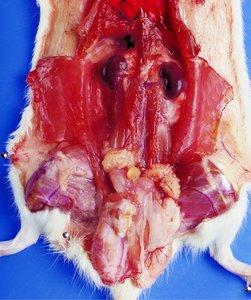
Rat dissection is a valuable tool for learning human anatomy, as many rat organs are structurally and functionally similar to those in humans. Observing both external and internal structures enhances understanding of organ systems.
Dissection Procedure: External and Internal Structures
The dissection process involves careful observation and identification of major body divisions and organs. The following steps outline the procedure:
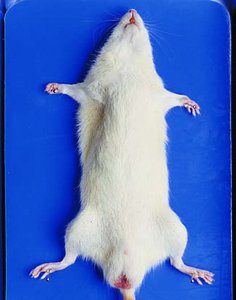
Observe the major divisions: head, trunk, extremities.
Examine the oral cavity: teeth, tongue, hard and soft palate, pharynx.
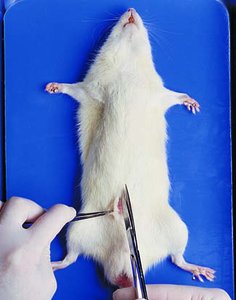
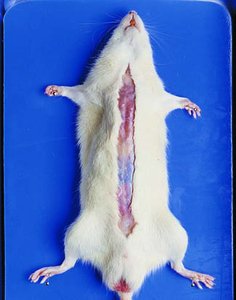
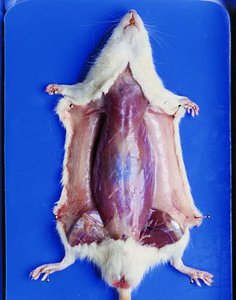
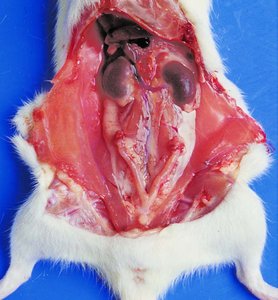
Open the ventral body cavity: secure the specimen, make incisions, reflect skin and muscle to expose internal organs.
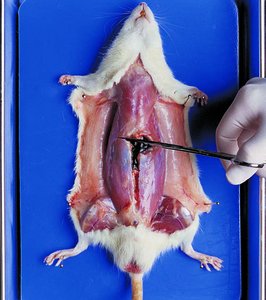
Thoracic Cavity: Superficial Organs
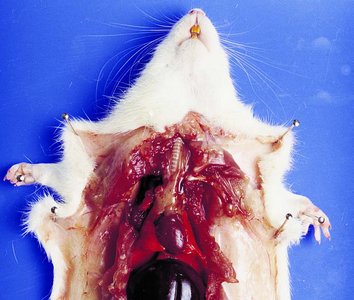
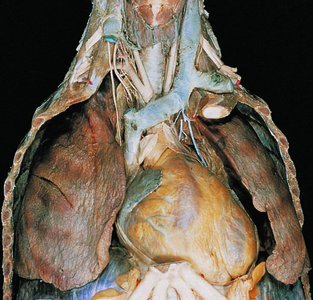
Upon opening the thoracic cavity, several key organs can be identified:
Thymus: Glandular tissue overlying the heart.
Heart: Medial oval structure within the pericardium.
Lungs: Flanking the heart.
Trachea: Windpipe running medially down the throat.
Bronchi: Branches of the trachea entering the lungs.
Esophagus: Food chute from pharynx to stomach.
Diaphragm: Thin muscle separating thoracic and abdominal cavities.
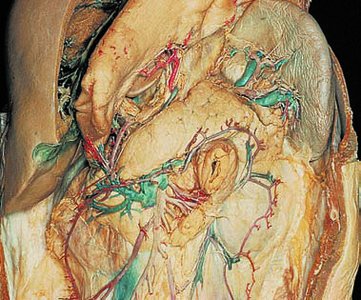
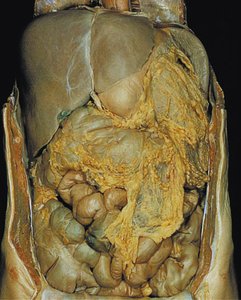
Abdominopelvic Cavity: Digestive and Other Organs
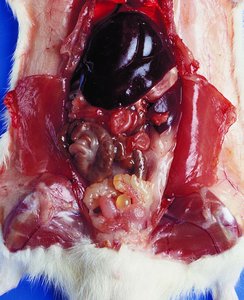
The abdominopelvic cavity contains organs of the digestive, urinary, and reproductive systems. Key structures include:
Stomach: Curved organ for digestion and storage.
Small intestine: Site of nutrient absorption.
Large intestine: Absorbs water, forms feces.
Cecum: Initial portion of the large intestine.
Rectum: Terminal part of the large intestine.
Anus: External opening for waste elimination.
Mesentery: Serous membrane suspending digestive organs, rich in blood vessels.
Pancreas: Diffuse gland for digestion and hormone production.
Spleen: Lymphatic organ, red blood cell graveyard.
Liver: Large, superior organ for metabolism and detoxification.
Urinary and Reproductive Systems
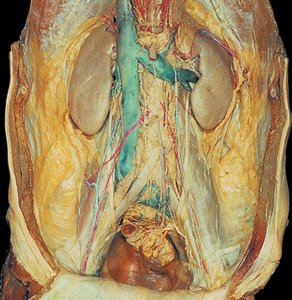
Deeper structures include the kidneys, adrenal glands, ureters, urinary bladder, and reproductive organs. The arrangement varies between male and female specimens.
Kidneys: Bean-shaped, retroperitoneal organs for filtration.
Adrenal glands: Endocrine glands atop kidneys.
Ureters: Tubes from kidneys to bladder.
Urinary bladder: Reservoir for urine.
Inferior vena cava: Returns blood to heart.
Descending aorta: Largest artery, carries blood from heart.
Human Reproductive Organs
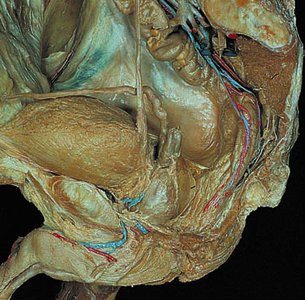
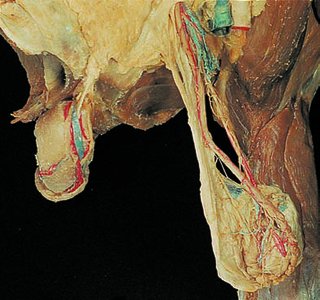
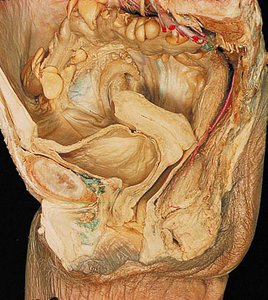
In human cadavers, reproductive organs are identified by their location and structure:
Male: Testis, ductus (vas) deferens, penis, prostate, seminal vesicle.
Female: Ovary, uterine tube, uterus, vagina.
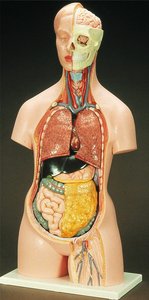
Human Torso Model
A human torso model is used to identify and locate organs in three-dimensional context. This aids in understanding organ systems and their spatial relationships.
Levels of Organization in the Human Body
Chemical
Cellular
Tissue
Organ
Organ System
Organism
Key Definitions and Examples
Organ: Structure composed of two or more tissue types performing a specific function (e.g., heart, kidney).
Homeostasis: Maintenance of stable internal conditions.
Comparison: Studying rat anatomy helps understand human anatomy due to structural similarities.
Summary Table: Organ Systems and Functions
System | Function | Example Organs |
|---|---|---|
Urinary | Rids body of nitrogen wastes | Kidneys, bladder |
Endocrine | Hormone production | Thyroid, pituitary |
Skeletal | Support, movement | Bones, cartilage |
Cardiovascular | Transport, defense | Heart, blood vessels |
Reproductive | Gamete production | Testes, ovaries |
Integumentary | Protection | Skin |
Lymphatic/Immunity | Defense | Spleen, lymph nodes |
Digestive | Food breakdown | Stomach, intestines |
Respiratory | Gas exchange | Lungs, trachea |
Muscular | Movement | Muscles |
Nervous | Communication | Brain, nerves |
Additional info:
Comparative anatomy is a foundational approach in anatomy and physiology education, as it allows students to observe homologous structures and functions across species.
Dissection techniques emphasize careful separation and identification of tissues and organs, not mutilation.
Organ systems are interdependent, and their study is essential for understanding health, disease, and medical interventions.
