 뒤로
뒤로Study Guide: The Circulatory System – Blood
스터디 가이드 - 스마트 노트
 자료에 맞춘 맞춤형 노트, 핵심 정의, 예시, 맥락을 확장해 제공합니다.
The Circulatory System: Blood
Introduction
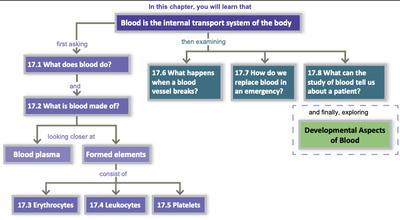
The circulatory system is a vital organ system responsible for the transport of substances throughout the body. It consists of the heart, blood vessels, and blood. Blood serves as the internal transport system, delivering nutrients, gases, and waste products, and playing a crucial role in protection and regulation.
Functions of the Circulatory System
The circulatory system performs three primary functions:
Transport: Moves oxygen, carbon dioxide, nutrients, hormones, and waste products.
Protection: Defends against infection and blood loss through immune cells and clotting mechanisms.
Regulation: Maintains pH, temperature, and fluid balance.
reroutes blood to skin to regulate temp
Components and General Properties of Blood
Blood is a liquid connective tissue composed of plasma and formed elements. It has unique physical and chemical properties:
Volume: 4-6 liters in adults
Body weight: ~8%
Temperature: 38°C
Viscosity: 5 times thicker than water
so it will not leak and is allowed to be pumped properly
pH: 7.35-7.45 (acidosis < 7.35, alkalosis > 7.45)
Blood Composition
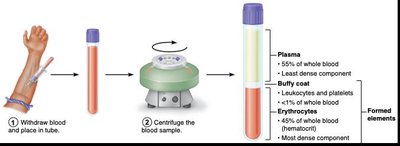
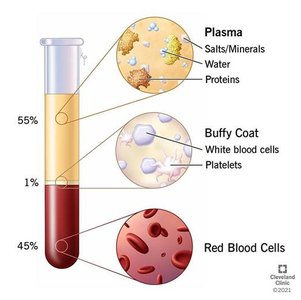
Plasma: ~55% of blood volume; least dense component
Formed Elements: ~45% (mainly erythrocytes); most dense component
Buffy Coat: <1% (leukocytes and platelets)
Blood Plasma
Blood plasma is a straw-colored fluid consisting of:
Water: 92%
Proteins: 7% (albumin, globulins, fibrinogen)
Other solutes: 1% (nutrients, wastes, hormones, gases)
Plasma Proteins
Albumin: Smallest and most abundant; maintains osmotic pressure and viscosity, buffers pH, transports solutes.
major contributer to
blood viscocity: thickness or stickiness
blood osmolarity: concentration of particles that can pass through blood vessels
Globulins: Immune defense and transport.
Fibrinogen: Essential for blood clotting.
Production of Blood (Hematopoiesis)
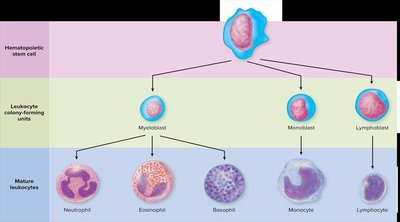
Blood cells are continuously produced in the bone marrow. Hematopoiesis is the process by which formed elements are generated from hematopoietic stem cells.
Daily production: 400 billion platelets, 200 billion RBCs, 10 billion WBCs
Erythrocytes (Red Blood Cells)
Erythrocytes are the most abundant formed element, responsible for oxygen and carbon dioxide transport.
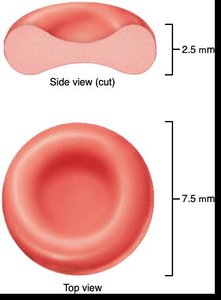
Structure: Bi-concave disc, no nucleus, few organelles
Function: Oxygen transport from lungs to tissues; carbon dioxide transport from tissues to lungs
Hematocrit: Clinical measurement of RBC percentage
NO NUCLEUS and few organelles
No DNA or mitosis or self repair or protein synthesis
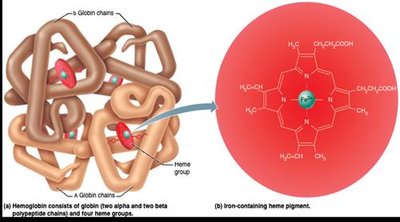
Hemoglobin
Hemoglobin is a red, iron-containing protein in RBCs. Each iron atom binds one oxygen molecule. RBCs lack mitochondria and rely on anaerobic fermentation for ATP production.
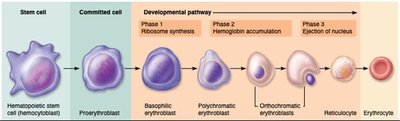
Erythrocyte Life Cycle
Lifespan: ~120 days
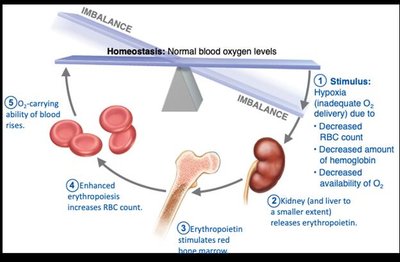
Production: Erythropoiesis (from hematopoietic stem cells)
Death: Membrane deteriorates, cells rupture (hemolysis), components recycled
Sickle-Cell Anemia
Sickle-cell anemia is caused by a genetic mutation in hemoglobin, resulting in crescent-shaped RBCs that can block blood flow and cause pain.
Leukocytes (White Blood Cells)
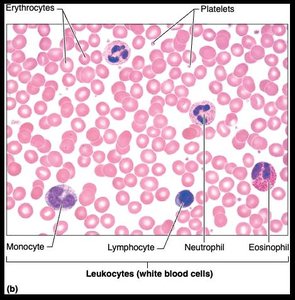
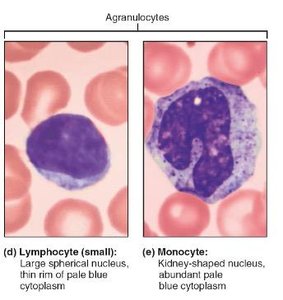
Leukocytes are immune cells that protect the body from infection. They reside mainly in connective tissues and use the bloodstream for transport.
Granulocytes: Neutrophils, eosinophils, basophils
Agranulocytes: Monocytes, lymphocytes
Leukocyte Life Cycle
Leukopoiesis: Production of WBCs from hematopoietic stem cells
Leukocyte Disorders
Leukemias: Cancerous overproduction of abnormal WBCs
Infectious mononucleosis: Viral disease causing excess lymphocytes
Platelets and Control of Bleeding
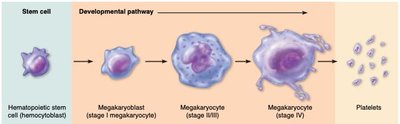
Platelets are small fragments of megakaryocytes, essential for blood clotting and hemostasis.
Structure: Small, non-nucleated cell fragments
Function: Initiate clotting, prevent blood loss
Hemostasis
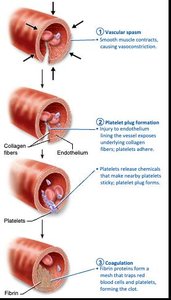
Hemostasis is the process of stopping bleeding, involving three stages:
Vascular spasm: Constriction of blood vessels
Platelet plug formation: Platelets adhere to injury site
Coagulation: Formation of a fibrin clot
Agglutination vs. Coagulation
Coagulation: Formed elements stick together by fibrin
Agglutination: RBCs stick together by antibodies
Blood Types and Transfusion
Blood typing is based on antigens (cell surface markers) and antibodies. Incompatible transfusions can cause agglutination and be fatal.
ABO System: Type A (A antigens, B antibodies), Type B (B antigens, A antibodies), Type AB (A and B antigens, no antibodies), Type O (no antigens, A and B antibodies)
Universal donor: Type O
Universal recipient: Type AB
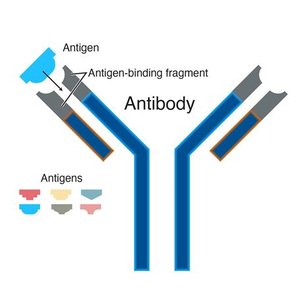
Rh Typing
Rh antigen: Present (+) or absent (-)
Rh-negative individuals produce antibodies only if exposed to Rh antigen
Rh incompatibility can cause problems in pregnancy
Summary Table: Blood Components
Component | Percentage | Main Function |
|---|---|---|
Plasma | ~55% | Transport, regulation |
Red Blood Cells (Erythrocytes) | ~45% | Oxygen and CO2 transport |
White Blood Cells (Leukocytes) | <1% | Immune defense |
Platelets | <1% | Clotting |
Key Equations
Blood pH:
Osmolarity:
Conclusion
The circulatory system, through its blood components, ensures the transport, protection, and regulation necessary for human life. Understanding blood's structure, function, and disorders is essential for clinical practice and physiology.
