 뒤로
뒤로The Cellular Level of Organization: Structure, Function, and Processes
스터디 가이드 - 스마트 노트
 자료에 맞춘 맞춤형 노트, 핵심 정의, 예시, 맥락을 확장해 제공합니다.
The Cellular Level of Organization
Introduction to Cell Theory
Cells are the fundamental units of life, forming the basis for all living organisms. They are responsible for maintaining homeostasis and are produced by the division of preexisting cells.
Cell Theory: All living things are composed of cells; cells are the smallest units of life; all cells arise from preexisting cells; cellular processes maintain homeostasis.
Cell Structure and Function
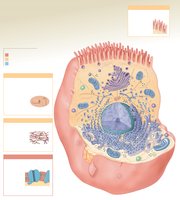
Major Parts of a Cell
Cells contain specialized structures that perform distinct functions necessary for survival and function.
Nucleus: Control center, stores genetic information, directs protein synthesis.
Cytoplasm: Contains cytosol, organelles, and inclusions.
Plasma Membrane: Encircling barrier that regulates exchange and communication.
Plasma Membrane Structure and Components
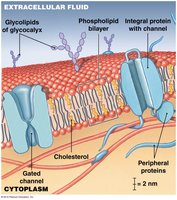
The plasma membrane is a selectively permeable barrier composed of a phospholipid bilayer with embedded proteins, cholesterol, and carbohydrates.
Phospholipid Bilayer: Provides structural framework and barrier function.
Cholesterol: Stabilizes membrane fluidity.
Proteins: Serve as receptors, channels, carriers, enzymes, and anchors.
Carbohydrates: Contribute to cell recognition and lubrication.
Cytosol and Organelles
The cytosol is the fluid component of the cytoplasm, containing ions, proteins, carbohydrates, and lipids. Organelles are specialized structures within the cell, classified as membranous or non-membranous.
Non-membranous organelles: Cytoskeleton, centrosomes/centrioles, ribosomes, proteasomes.
Membranous organelles: Endoplasmic reticulum, Golgi apparatus, lysosomes, peroxisomes, mitochondria.
Cytoskeleton and Cellular Extensions
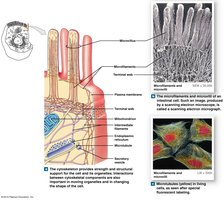
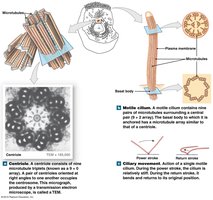
The cytoskeleton provides structural support, movement, and organization within the cell. Cellular extensions such as cilia, flagella, and microvilli serve specialized functions.
Microfilaments, Intermediate Filaments, Microtubules: Components of the cytoskeleton.
Cilia: Move substances across cell surfaces.
Flagella: Propel cells (e.g., sperm).
Microvilli: Increase surface area for absorption.
Ribosomes and Proteasomes
Ribosomes are the sites of protein synthesis, while proteasomes degrade and recycle damaged or abnormal proteins.
Ribosomes: Composed of RNA and protein; can be free or fixed.
Proteasomes: Enzyme complexes that break down proteins.
Membranous Organelles
Endoplasmic Reticulum (ER): Rough ER synthesizes proteins; smooth ER synthesizes lipids and carbohydrates, detoxifies substances.
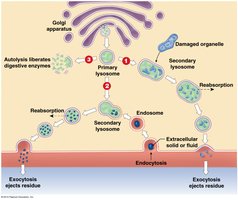
Golgi Apparatus: Modifies, packages, and sorts proteins and lipids for secretion or delivery to other organelles.
Lysosomes: Digest cellular debris and pathogens; involved in autolysis.
Peroxisomes: Break down organic molecules and neutralize toxins.
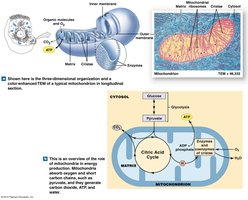
Mitochondria: Site of aerobic respiration and ATP production.
Cell Inclusions
Inclusions are non-living materials in the cytoplasm, such as glycogen, fat droplets, and pigments like melanin.
Membrane Transport Mechanisms
Selective Permeability and Transport Types
The plasma membrane controls the movement of substances into and out of the cell through selective permeability. Transport can be passive or active.
Passive Transport: Does not require energy; includes simple diffusion, facilitated diffusion, and osmosis.
Active Transport: Requires ATP; moves substances against their concentration gradients.
Passive Transport Mechanisms
Simple Diffusion: Movement of molecules from high to low concentration.
Channel-mediated Diffusion: Movement through protein channels; can be gated or non-gated.
Osmosis: Diffusion of water across a selectively permeable membrane via aquaporins.
Osmolality and Tonicity
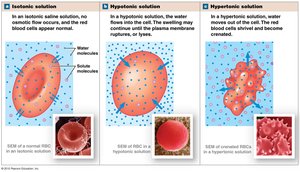
Osmolality refers to the concentration of solutes in a solution, while tonicity describes the effect of a solution on cell volume.
Isotonic: No net movement of water; cell remains normal.
Hypotonic: Water enters the cell; cell swells and may burst.
Hypertonic: Water leaves the cell; cell shrivels.
Carrier-Mediated and Active Transport
Facilitated Diffusion: Carrier proteins transport substances down their concentration gradient without ATP.
Active Transport: Carrier proteins move substances against their gradient using ATP (e.g., ion pumps, exchange pumps).
Primary Active Transport: Direct use of ATP (e.g., sodium-potassium pump).
Secondary Active Transport: Indirect use of ATP via concentration gradients established by primary active transport.
Vesicular Transport
Endocytosis: Uptake of materials via vesicles (includes phagocytosis, pinocytosis, receptor-mediated endocytosis).
Exocytosis: Release of materials from the cell via vesicles.
Transcytosis: Transport of substances across the cell by endocytosis followed by exocytosis.
The Nucleus and Genetic Control
Structure of the Nucleus
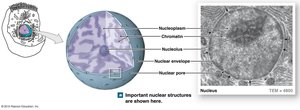
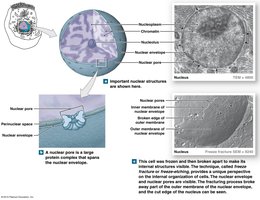
The nucleus is the largest organelle, surrounded by a double membrane (nuclear envelope) with nuclear pores for molecular exchange. It contains nucleoplasm, chromatin, and nucleoli.
Chromatin, Chromosomes, and Nucleosomes
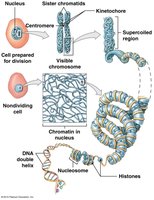
Genetic material exists as chromatin (loosely coiled DNA) in non-dividing cells and as chromosomes (tightly coiled DNA) during cell division. DNA wraps around histone proteins to form nucleosomes.
Gene Expression: Transcription and Translation
Protein synthesis involves two main steps: transcription (DNA to mRNA) and translation (mRNA to protein).
Transcription: RNA polymerase synthesizes mRNA from a DNA template; introns are removed, and exons are spliced together.
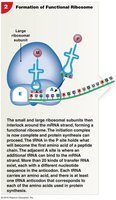
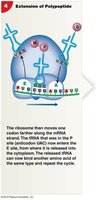
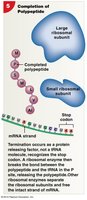
Translation: Ribosomes read mRNA codons, tRNA brings amino acids, and a polypeptide chain is assembled.
Cell Division and the Cell Cycle
Phases of the Cell Cycle
The cell cycle consists of interphase (G0, G1, S, G2) and the mitotic phase (M phase: mitosis and cytokinesis).
G1: Cell growth and organelle duplication.
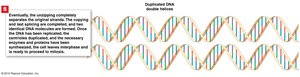
S: DNA replication.
G2: Preparation for mitosis.
M phase: Division of nucleus (mitosis) and cytoplasm (cytokinesis).
Mitosis and Cytokinesis
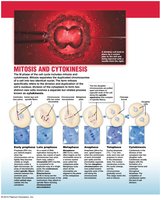
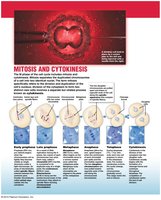
Mitosis is the process of nuclear division, consisting of prophase, metaphase, anaphase, and telophase, followed by cytokinesis (division of the cytoplasm).
Prophase: Chromatin condenses, spindle fibers form.
Metaphase: Chromosomes align at the metaphase plate.
Anaphase: Sister chromatids separate to opposite poles.
Telophase: Nuclear membranes reform, chromosomes uncoil.
Cytokinesis: Cytoplasm divides, forming two daughter cells.
Cellular Differentiation and Abnormal Growth
Cellular Differentiation
Cells become specialized through differentiation, which involves gene expression and restriction. Stem cells can be totipotent, pluripotent, or multipotent, leading to specialized cell types.
Abnormal Growth and Cancer
Uncontrolled cell division can lead to tumors (benign or malignant). Cancer arises from mutations and exposure to carcinogens, resulting in abnormal proliferation and metastasis.
Summary Table: Major Organelles and Their Functions
Organelle | Function |
|---|---|
Nucleus | Stores genetic information, controls cell activities |
Cytosol | Suspends organelles, site of metabolic reactions |
Centrosome/Centriole | Organizes microtubules, essential for cell division |
Cytoskeleton | Provides structure, support, and movement |
Cilia | Move substances across cell surface |
Flagellum | Propels cell |
Golgi apparatus | Modifies, sorts, and packages proteins/lipids |
Lysosome | Digests cellular debris and pathogens |
Microvilli | Increase surface area for absorption |
Mitochondrion | Produces ATP via aerobic respiration |
Peroxisome | Breaks down organic molecules, neutralizes toxins |
Rough ER | Synthesizes proteins |
Ribosomes | Site of protein synthesis |
Smooth ER | Synthesizes lipids, detoxifies substances |
