 뒤로
뒤로The Chemical Level of Organization: Foundations for Anatomy & Physiology
스터디 가이드 - 스마트 노트
 자료에 맞춘 맞춤형 노트, 핵심 정의, 예시, 맥락을 확장해 제공합니다.
Chapter 2: The Chemical Level of Organization
Atoms and Atomic Structure
The atom is the smallest stable unit of matter, and its structure determines how it interacts with other atoms. Atoms are composed of subatomic particles: protons (positively charged), neutrons (neutral), and electrons (negatively charged). Protons and neutrons are found in the nucleus, while electrons orbit the nucleus in energy levels or shells. The arrangement of electrons, especially in the outermost shell (valence shell), determines the chemical properties and reactivity of the atom.
Principal elements in the human body: Oxygen, carbon, hydrogen, and nitrogen make up the majority of body mass, with other elements like calcium, phosphorus, potassium, sodium, and trace elements playing critical physiological roles.
Electron shells: The first shell holds up to 2 electrons; subsequent shells hold up to 8. Atoms are stable when their valence shell is full; otherwise, they tend to react with other atoms.
Chemical Notation
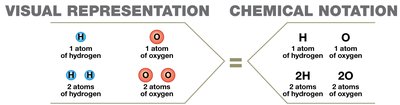
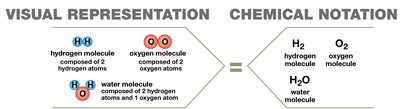
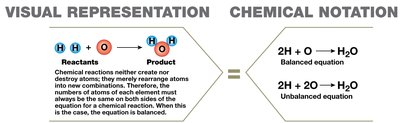
Chemical notation is a standardized method to represent atoms, molecules, and reactions. It uses symbols for elements, subscripts for the number of atoms, and arrows to indicate reactions.
Molecules and Compounds
Atoms combine to form molecules and compounds through chemical bonds. The three major types of chemical bonds are:
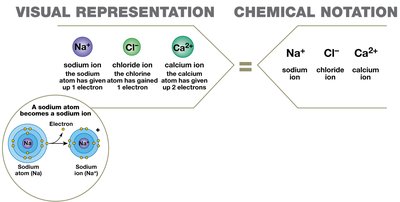
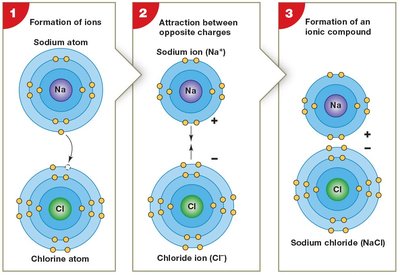
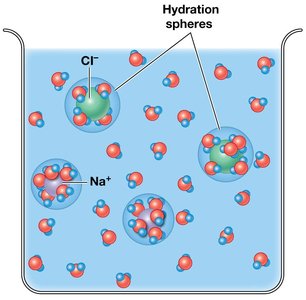
Ionic bonds: Formed by the transfer of electrons from one atom to another, resulting in the attraction between oppositely charged ions (cations and anions). Example: sodium chloride (NaCl).
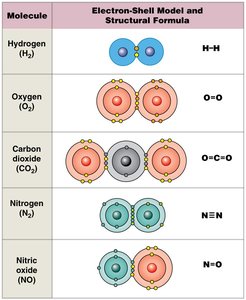
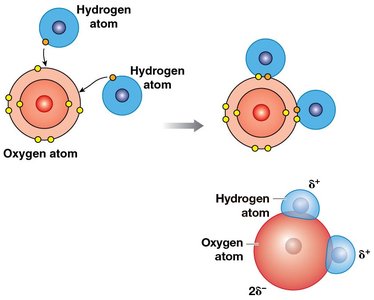
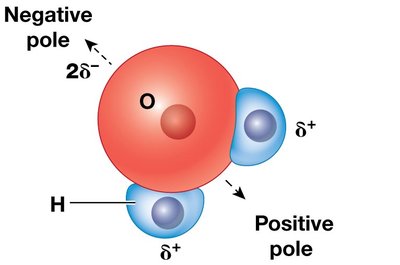
Covalent bonds: Formed when atoms share electrons. Can be single, double, or triple bonds. Nonpolar covalent bonds involve equal sharing, while polar covalent bonds involve unequal sharing, creating partial charges.
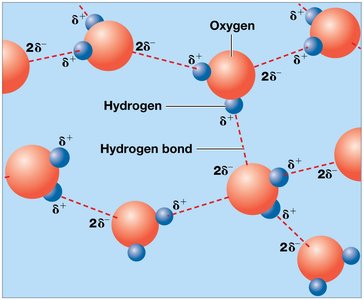
Hydrogen bonds: Weak attractions between the partial positive charge of hydrogen in a polar bond and a partial negative charge on another atom (often oxygen or nitrogen). Important in water and biological macromolecules like DNA.
Chemical Reactions
Chemical reactions involve the making or breaking of bonds, resulting in new substances. In physiology, the main types of reactions are:
Decomposition reactions (catabolism): Break molecules into smaller fragments. Example: hydrolysis.
Synthesis reactions (anabolism): Assemble larger molecules from smaller ones. Example: dehydration synthesis.
Exchange reactions: Rearrangement of components between molecules.
Reversible reactions: Can proceed in both directions until equilibrium is reached.
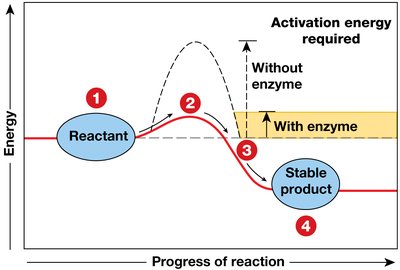
Metabolism is the sum of all chemical reactions in the body. Energy is required for these reactions, and enzymes lower the activation energy needed for reactions to proceed.
Inorganic and Organic Compounds
Compounds in the body are classified as inorganic or organic:
Inorganic compounds: Usually lack carbon-hydrogen bonds. Examples: water, oxygen, carbon dioxide, acids, bases, and salts.
Organic compounds: Contain carbon-hydrogen bonds. Examples: carbohydrates, lipids, proteins, nucleic acids.
Properties of Water
Water is the most abundant and essential compound in the body, accounting for up to two-thirds of body weight. Its properties include:
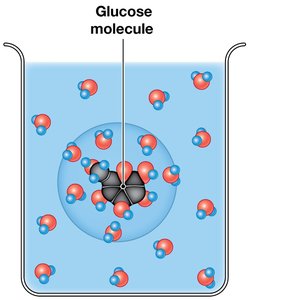
Universal solvent: Dissolves many substances, facilitating chemical reactions.
Reactivity: Participates in hydrolysis and dehydration synthesis reactions.
High heat capacity: Absorbs and retains heat, stabilizing body temperature.
Lubrication: Reduces friction between body surfaces.
pH and Homeostasis
The pH scale measures the concentration of hydrogen ions (H+) in a solution. It is defined as the negative logarithm of the H+ concentration. The scale ranges from 0 (acidic) to 14 (basic), with 7 being neutral. Human blood is slightly basic, with a pH of 7.35–7.45. Maintaining pH is critical for physiological function.
Acids, Bases, Salts, and Buffers
Acids: Proton donors that increase H+ concentration in solution. Strong acids dissociate completely.
Bases: Proton acceptors that decrease H+ concentration. Strong bases dissociate completely.
Salts: Ionic compounds that dissociate into ions other than H+ or OH−.
Buffers: Compounds that stabilize pH by removing or replacing H+. The carbonic acid–bicarbonate buffer system is vital in humans.
Monomers, Polymers, and Functional Groups
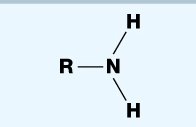
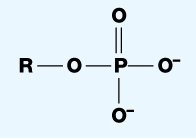
Organic macromolecules are often polymers made from repeating monomer units. Functional groups are specific groupings of atoms that confer particular properties to organic molecules.
Functional Group | Structure | Importance | Examples |
|---|---|---|---|
Amino group |
| Acts as a base; forms bonds | Amino acids |
Phosphate group |
| Links molecules; stores energy | Nucleic acids, phospholipids |
Carbohydrates
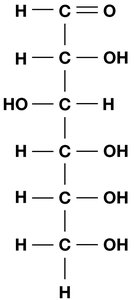
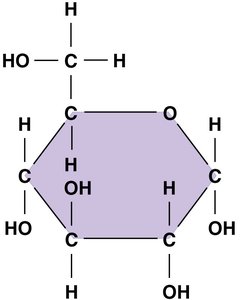
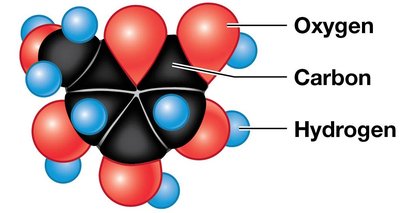
Carbohydrates are organic molecules with a 1:2:1 ratio of C:H:O. They are the body's primary energy source and include:
Monosaccharides: Simple sugars (e.g., glucose, fructose).
Disaccharides: Two monosaccharides joined by dehydration synthesis (e.g., sucrose).
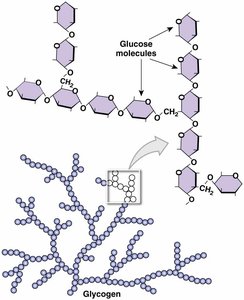
Polysaccharides: Long chains of monosaccharides (e.g., glycogen, starch, cellulose).


Lipids
Lipids are hydrophobic organic molecules with diverse functions, including energy storage, insulation, and cell membrane structure. Major classes include:
Fatty acids: Long hydrocarbon chains with a carboxyl group; can be saturated or unsaturated.
Glycerides: Fatty acids attached to glycerol (mono-, di-, or triglycerides).
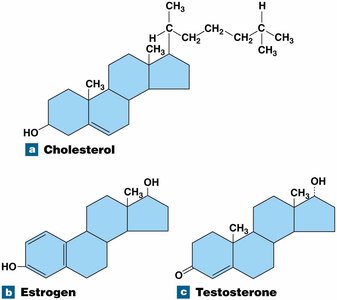
Steroids: Four-ring structures (e.g., cholesterol, hormones).
Phospholipids and glycolipids: Structural components of cell membranes with hydrophilic heads and hydrophobic tails.
Proteins
Proteins are polymers of amino acids and are the most abundant organic molecules in the body. They serve structural, enzymatic, transport, regulatory, and defensive roles.
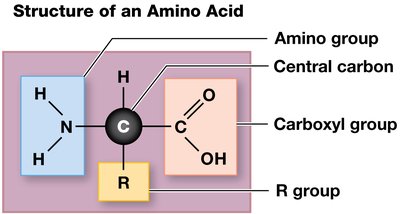
Amino acids: Contain a central carbon, amino group, carboxyl group, hydrogen, and variable R group.
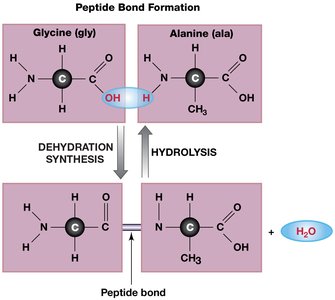
Peptide bonds: Link amino acids via dehydration synthesis to form polypeptides.
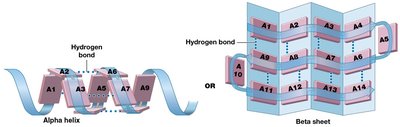
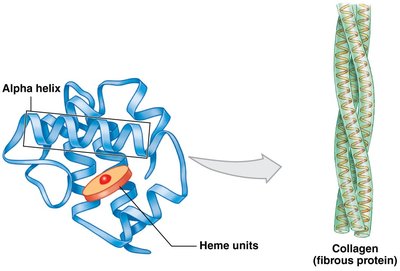
Protein structure: Four levels—primary (sequence), secondary (alpha helix/beta sheet), tertiary (3D folding), quaternary (multiple polypeptides).
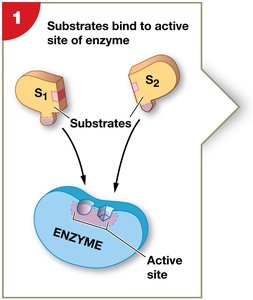
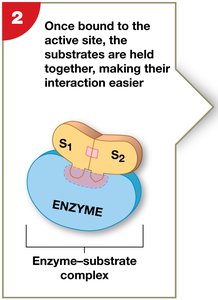
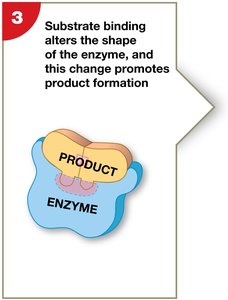
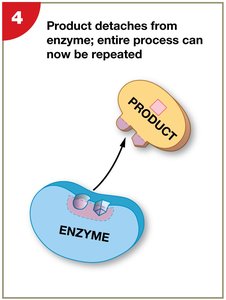
Enzymes: Proteins that catalyze reactions by lowering activation energy. They are specific, can be regulated, and may require cofactors or coenzymes.

Nucleic Acids
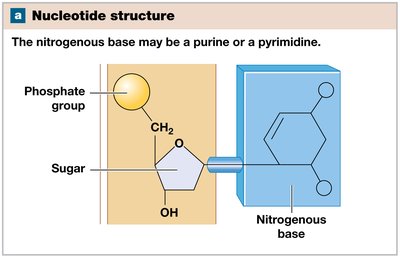
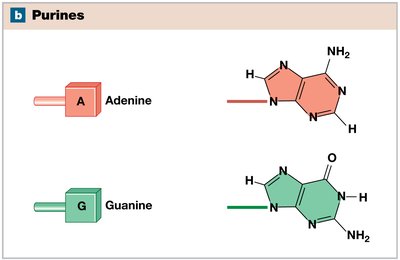
Nucleic acids store and process genetic information. They are polymers of nucleotides, each containing a sugar, phosphate group, and nitrogenous base.
DNA: Double-stranded helix; bases are adenine (A), guanine (G), cytosine (C), and thymine (T).
RNA: Single-stranded; bases are adenine (A), guanine (G), cytosine (C), and uracil (U). Types include mRNA, tRNA, and rRNA.
High-Energy Compounds
High-energy compounds, such as ATP (adenosine triphosphate), store and transfer energy for cellular processes. ATP is formed by adding phosphate groups to AMP or ADP, and its breakdown releases energy for cellular work.
Summary Table: Classes of Inorganic and Organic Compounds
Class | Building Blocks | Sources | Functions |
|---|---|---|---|
Water | H, O | Diet, metabolism | Solvent, transport, chemical reactions |
Acids, bases, salts | H+, OH−, various ions | Diet, metabolism | Buffers, structural, sources of ions |
Carbohydrates | C, H, O (1:2:1) | Diet, synthesis | Energy, structure, storage |
Lipids | C, H, O (not 1:2:1) | Diet, synthesis | Energy, insulation, structure, messengers |
Proteins | Amino acids | Diet, synthesis | Enzymes, structure, transport, defense |
Nucleic acids | Nucleotides | Diet, synthesis | Genetic information |
High-energy compounds | Nucleotides + phosphates | Synthesized by cells | Energy storage/transfer |
