 뒤로
뒤로The Chemical Level of Organization: Foundations for Anatomy & Physiology
스터디 가이드 - 스마트 노트
 자료에 맞춘 맞춤형 노트, 핵심 정의, 예시, 맥락을 확장해 제공합니다.
The Chemical Level of Organization
Introduction to Chemistry in Anatomy & Physiology
Chemistry is fundamental to understanding anatomy and physiology, as it explains the structure and interactions of matter that compose the human body. Atoms, molecules, and compounds form the basis for all physiological processes.
Atoms and Atomic Structure
Subatomic Particles and Atomic Structure
Atoms are the smallest units of matter that retain the properties of an element.
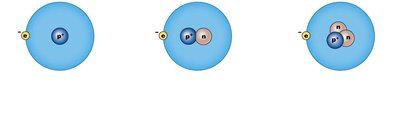
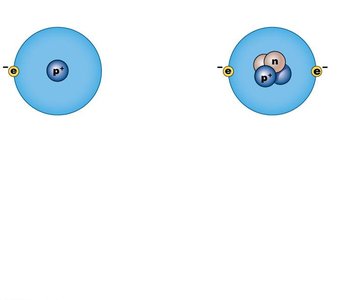
Each atom consists of protons (positive charge), neutrons (neutral), and electrons (negative charge).
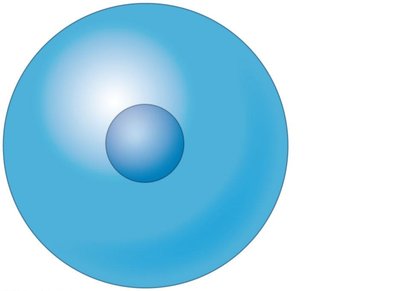
The nucleus contains protons and neutrons, while electrons occupy the electron cloud around the nucleus.
The atomic number is the number of protons in an atom and determines the element.
The mass number is the sum of protons and neutrons.
Isotopes are atoms of the same element with different numbers of neutrons.
Radioisotopes have unstable nuclei and decay over time, measured by half-life.
Principal Elements in the Human Body
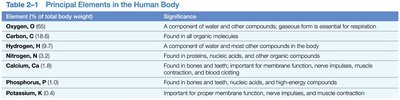
The human body is composed primarily of a few key elements, each with specific physiological roles.
Element | Significance |
|---|---|
Oxygen (O) | Component of water and essential for respiration |
Carbon (C) | Found in all organic molecules |
Hydrogen (H) | Component of water and most compounds in the body |
Nitrogen (N) | Found in proteins, nucleic acids, and other organic compounds |
Calcium (Ca) | Important for bones, membranes, muscle contraction, and blood clotting |
Phosphorus (P) | Found in bones, nucleic acids, and high-energy compounds |
Potassium (K) | Important for membrane function, nerve impulses, and muscle contraction |
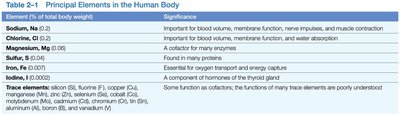
Sodium (Na) | Important for blood volume, membrane function, nerve impulses, and muscle contraction |
Chlorine (Cl) | Important for blood volume, membrane function, and water absorption |
Magnesium (Mg) | Catalyst for many enzymes |
Sulfur (S) | Found in many proteins |
Iron (Fe) | Essential for oxygen transport and energy capture |
Iodine (I) | Component of hormones of the thyroid gland |
Electrons and Energy Levels
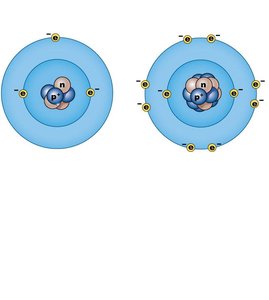
Electrons occupy energy levels (shells) around the nucleus.
The valence shell is the outermost shell and determines chemical bonding properties.
Lower shells fill first; the number of electrons in the valence shell influences reactivity.
Molecules, Compounds, and Chemical Bonds
Molecules and Compounds
A molecule is two or more atoms joined by strong bonds.
A compound is two or more atoms of different elements joined by strong or weak bonds.
The molecular weight is the sum of atomic weights of all atoms in a molecule or compound.
Chemical Bonds
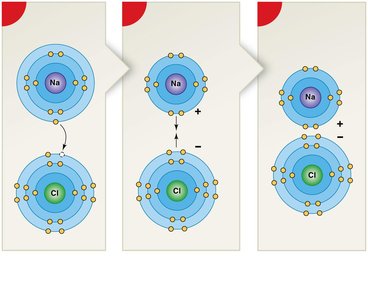
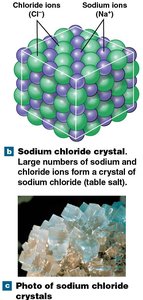
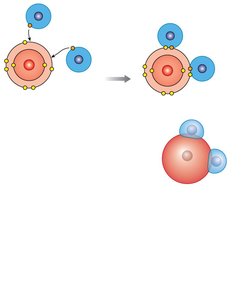
Ionic bonds: Formed when one atom donates electrons (becoming a cation) and another accepts them (becoming an anion). The resulting opposite charges attract.
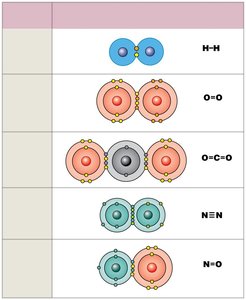
Covalent bonds: Formed when atoms share electrons. Can be single, double, or triple bonds depending on the number of shared electron pairs.
Nonpolar covalent bonds: Electrons are shared equally.
Polar covalent bonds: Electrons are shared unequally, creating partial charges (e.g., in water).
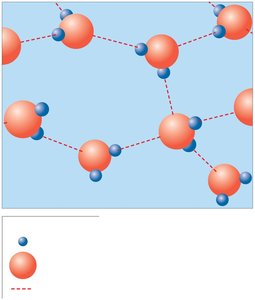
Hydrogen bonds: Weak attractions between a slightly positive hydrogen atom and a slightly negative atom in another molecule. Important in water and biological molecules.
States of Matter
Solids: Definite shape and volume.
Liquids: Definite volume, shape determined by container.
Gases: No definite shape or volume.
Chemical Reactions and Energy
Types of Chemical Reactions
Decomposition (Catabolism): Breaks molecules into smaller parts. Example:
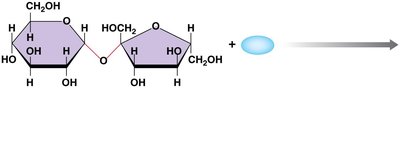
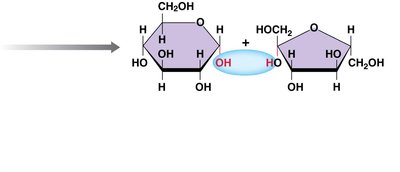
Hydrolysis: Decomposition using water. Example:
Synthesis (Anabolism): Forms larger molecules from smaller ones. Example:
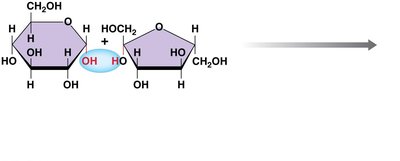
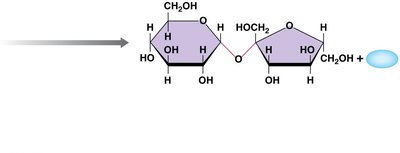
Dehydration Synthesis: Formation of complex molecules by removing water. Example:
Exchange Reactions: Parts of molecules are shuffled. Example:
Reversible Reactions: Can proceed in both directions. Example:
Energy in Chemical Reactions
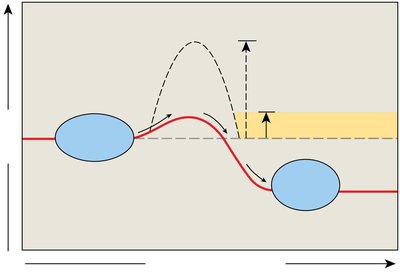
Activation energy: The energy required to start a reaction.
Enzymes: Protein catalysts that lower activation energy, increasing reaction rates without being consumed.
Exergonic reactions: Release energy.
Endergonic reactions: Absorb energy.
Inorganic and Organic Compounds
Definitions and Examples
Inorganic compounds: Usually lack carbon and hydrogen. Examples: water, oxygen, carbon dioxide, acids, bases, salts.
Organic compounds: Contain carbon and hydrogen. Examples: carbohydrates, lipids, proteins, nucleic acids.
Properties of Water
Importance of Water
Water makes up about two-thirds of body weight and is essential for life.
Acts as a universal solvent, dissolving many substances for transport and reactions.
Has a high heat capacity, helping to stabilize body temperature.
Provides lubrication to reduce friction in joints and tissues.
Aqueous Solutions and Electrolytes
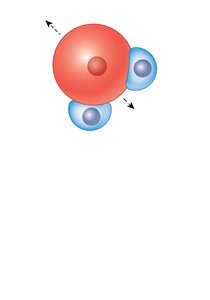
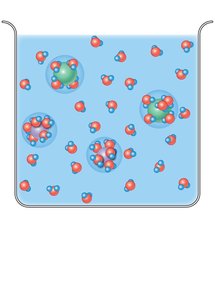
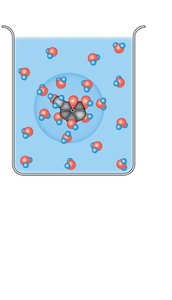
Water's polarity allows it to dissociate ionic compounds and form hydration spheres around ions and polar molecules.
Electrolytes are ions that conduct electricity in solution and are vital for nerve and muscle function.
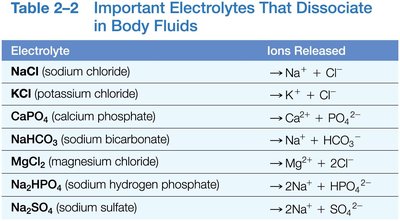
Electrolyte | Ions Released |
|---|---|
NaCl (sodium chloride) | Na+ + Cl− |
KCl (potassium chloride) | K+ + Cl− |
CaPO4 (calcium phosphate) | Ca2+ + PO43− |
NaHCO3 (sodium bicarbonate) | Na+ + HCO3− |
MgCl2 (magnesium chloride) | Mg2+ + 2Cl− |
Na2HPO4 (sodium hydrogen phosphate) | 2Na+ + HPO42− |
Na2SO4 (sodium sulfate) | 2Na+ + SO42− |
Hydrophilic and Hydrophobic Compounds
Hydrophilic: Water-loving; includes ions and polar molecules that dissolve in water.
Hydrophobic: Water-fearing; includes nonpolar molecules like fats and oils that do not dissolve in water.
Colloids and Suspensions
Colloid: Solution with large molecules that remain dispersed (e.g., plasma).
Suspension: Contains large particles that settle out (e.g., whole blood).
pH, Acids, Bases, and Buffers
pH and Its Importance
pH is the negative logarithm of hydrogen ion concentration:
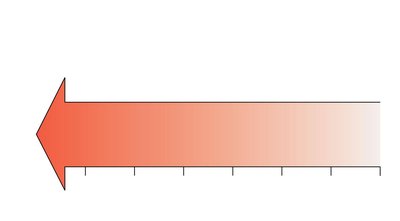
Neutral pH is 7.0 (pure water); human blood pH is tightly regulated between 7.35 and 7.45.
Acidic solutions have pH < 7 (high [H+]), basic solutions have pH > 7 (low [H+]).
Acids, Bases, Salts, and Buffers
Acids: Proton donors; release H+ in solution. Strong acids dissociate completely.
Bases: Proton acceptors; remove H+ from solution. Strong bases dissociate completely.
Salts: Compounds that dissociate into cations and anions other than H+ and OH−.
Buffers: Compounds that stabilize pH by removing or replacing H+; often consist of a weak acid and its salt.
Organic Molecules: Monomers and Polymers
Monomers, Polymers, and Functional Groups
Organic macromolecules are built from monomers (repeating subunits) joined to form polymers.
Functional groups are specific groupings of atoms that determine the chemical properties of molecules.
Carbohydrates
Structure and Function
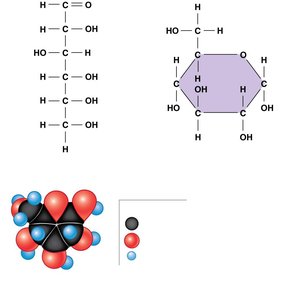
Composed of carbon, hydrogen, and oxygen in a 1:2:1 ratio.
Monosaccharides: Simple sugars (e.g., glucose, fructose, galactose).
Disaccharides: Two monosaccharides joined by dehydration synthesis (e.g., sucrose, maltose).
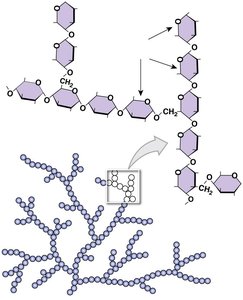
Polysaccharides: Long chains of monosaccharides (e.g., glycogen, starch, cellulose).
Lipids
Types and Functions
Mainly hydrophobic molecules such as fats, oils, and waxes.
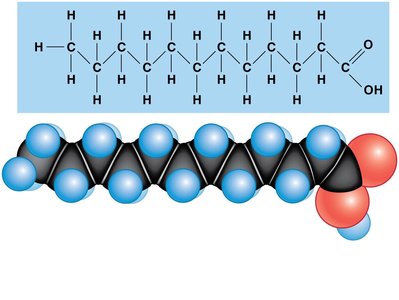
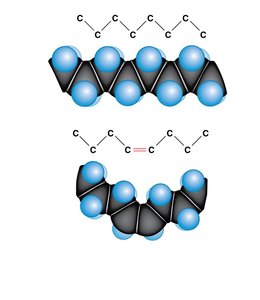
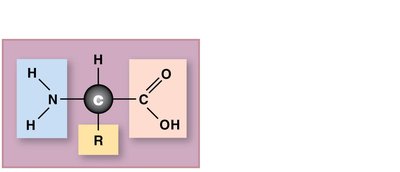
Fatty acids: Long hydrocarbon chains with a carboxyl group; can be saturated (no double bonds) or unsaturated (one or more double bonds).
Eicosanoids: Derived from arachidonic acid; include prostaglandins and leukotrienes, important in inflammation and immunity.
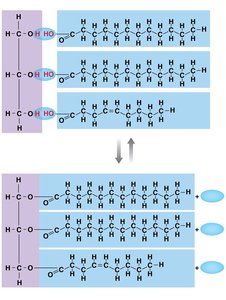
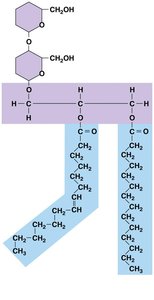
Glycerides: Fatty acids attached to glycerol; include monoglycerides, diglycerides, and triglycerides (energy storage, insulation, protection).
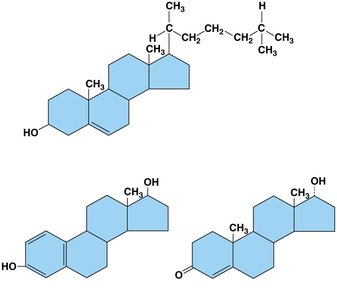
Steroids: Four-ring structures; include cholesterol (membranes), sex hormones, and bile salts.
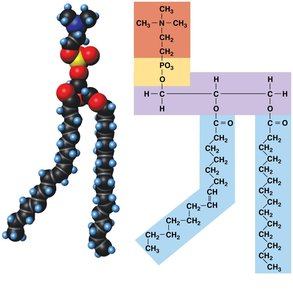
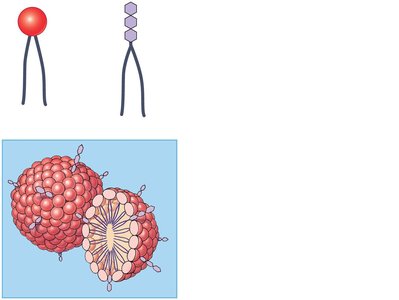
Phospholipids and glycolipids: Structural lipids with hydrophilic heads and hydrophobic tails; form cell membranes.
Proteins
Structure and Function
Most abundant organic molecules; composed of C, H, O, N.
Made of 20 different amino acids (monomers).
Functions include support, movement, transport, buffering, metabolic regulation, coordination, and defense.
Levels of Protein Structure
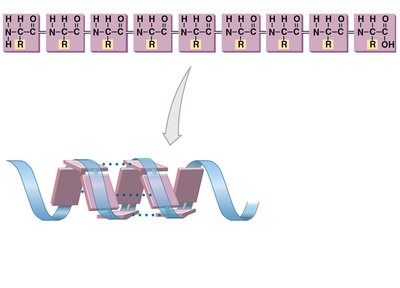
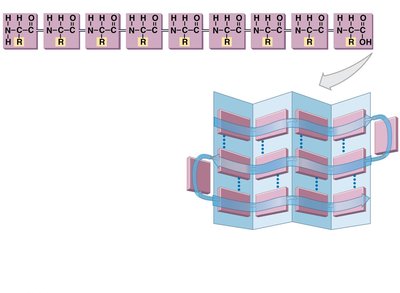
Primary: Sequence of amino acids.
Secondary: Hydrogen bonding forms alpha helices or beta sheets.
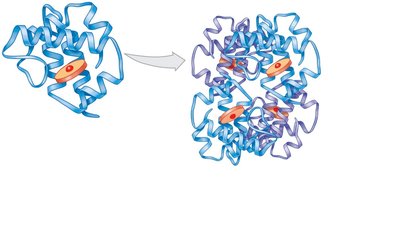
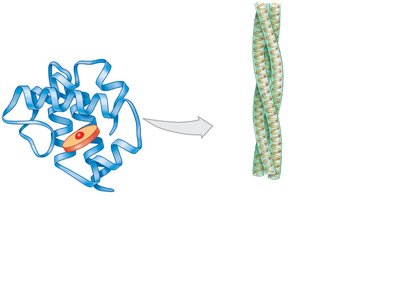
Tertiary: Coiling and folding into a 3D shape.
Quaternary: Multiple polypeptide chains combine.
Enzymes and Protein Function
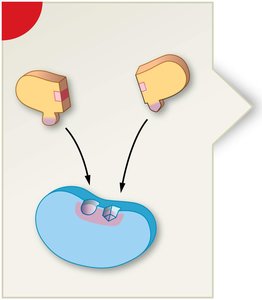
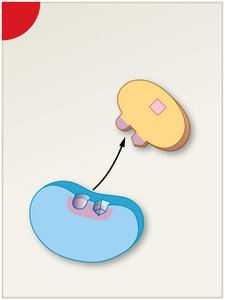
Enzymes are proteins that catalyze reactions by lowering activation energy.
Enzyme function depends on specificity, saturation limits, and regulation.
Cofactors (ions or molecules) and coenzymes (vitamins) may be required for enzyme activity.
Temperature and pH can denature proteins, causing loss of function.
Nucleic Acids
Structure and Function
DNA (deoxyribonucleic acid): Stores genetic information, directs protein synthesis, controls metabolism.
RNA (ribonucleic acid): Involved in protein synthesis (mRNA, tRNA, rRNA).
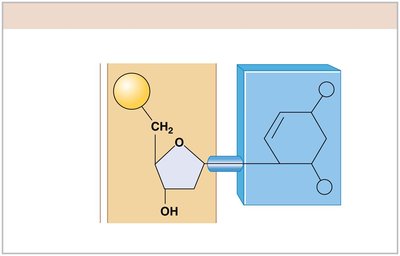
Composed of nucleotides (pentose sugar, phosphate group, nitrogenous base).
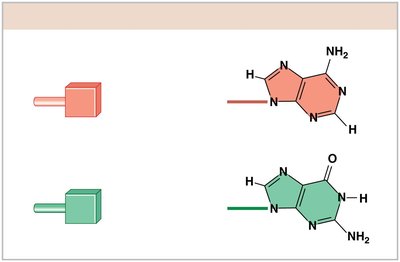
Nitrogenous bases: Purines (adenine, guanine), Pyrimidines (cytosine, thymine [DNA], uracil [RNA]).
DNA is double-stranded (double helix), RNA is single-stranded.
Complementary base pairing: A-T (DNA), A-U (RNA), C-G.
High-Energy Compounds
ATP and Energy Transfer
High-energy compounds store and transfer energy for cellular processes.
ATP (adenosine triphosphate): Main energy currency of the cell; formed by adding phosphate groups to adenosine.
Phosphorylation: Addition of a phosphate group to a molecule, producing high-energy bonds.
ATP can be converted to ADP (adenosine diphosphate) and AMP (adenosine monophosphate) by removing phosphate groups, releasing energy.
Additional info: Understanding the chemical level of organization is essential for grasping how physiological processes occur at the cellular and molecular levels, forming the foundation for all subsequent topics in anatomy and physiology.
