 뒤로
뒤로The Chemical Level of Organization: Foundations for Anatomy & Physiology
스터디 가이드 - 스마트 노트
 자료에 맞춘 맞춤형 노트, 핵심 정의, 예시, 맥락을 확장해 제공합니다.
The Chemical Level of Organization
Introduction to Chemistry in Anatomy & Physiology
Chemistry is fundamental to understanding anatomy and physiology, as it explains the structure and interactions of matter at the atomic and molecular levels. The chemical properties of atoms and molecules determine physiological processes in the human body.
Atoms and Atomic Structure
Basic Structure of Atoms
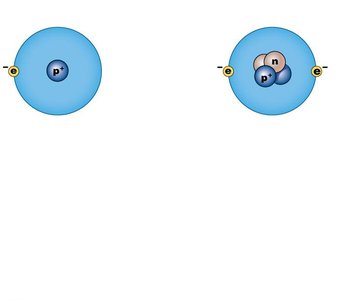
Atoms are the smallest units of matter that retain the properties of an element.
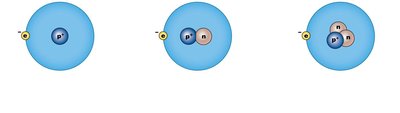
Composed of subatomic particles: protons (positive charge), neutrons (neutral), and electrons (negative charge).
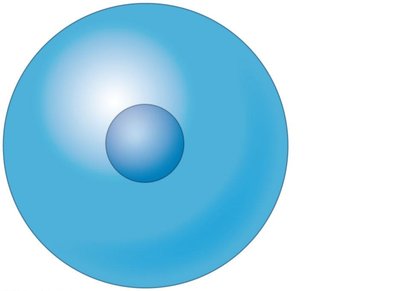
The nucleus contains protons and neutrons; electrons occupy the electron cloud around the nucleus.
The atomic number is the number of protons and determines the element's identity.
Isotopes are atoms of the same element with different numbers of neutrons.
Radioisotopes have unstable nuclei and decay over time, measured by half-life.
Atomic weight is the average mass of all isotopes of an element.
Electron Shells and Reactivity
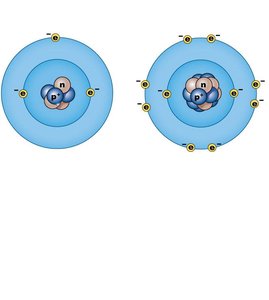
Electrons occupy energy levels (shells) around the nucleus.
The valence shell (outermost shell) determines an atom's chemical reactivity and bonding behavior.
Atoms are most stable when their outermost shell is full.
Molecules, Compounds, and Chemical Bonds
Definitions and Types
A molecule is two or more atoms joined by strong bonds.
A compound is two or more atoms of different elements joined by strong or weak bonds.
Chemical bonds involve the sharing, gaining, or losing of electrons.
Three major types of bonds: ionic, covalent, and hydrogen bonds.
Ionic Bonds
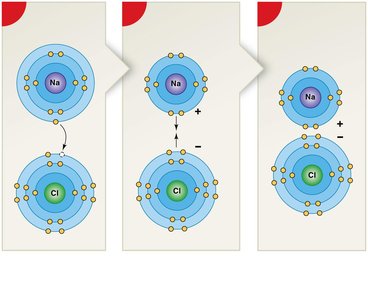
Formed when one atom donates electrons (becoming a cation) and another accepts electrons (becoming an anion).
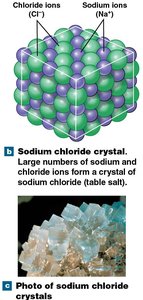
Attraction between oppositely charged ions forms an ionic bond.
Example: Sodium chloride (NaCl).
Covalent Bonds
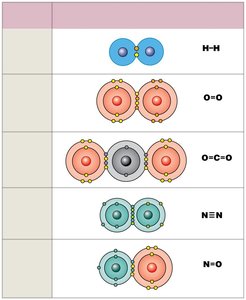
Formed when atoms share electrons.
Single, double, or triple covalent bonds depend on the number of shared electron pairs.
Nonpolar covalent bonds: equal sharing of electrons.
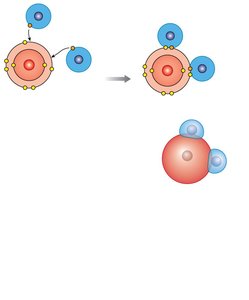
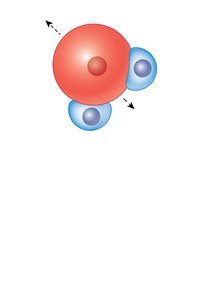
Polar covalent bonds: unequal sharing, resulting in partial charges (e.g., water molecules).
Hydrogen Bonds
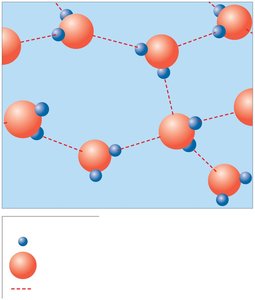
Weak attractions between the slightly positive hydrogen atom of one molecule and the slightly negative atom of another.
Important in water, DNA, and protein structure.
Responsible for water's surface tension.
States of Matter
Solids: constant volume and shape.
Liquids: constant volume, variable shape.
Gases: variable volume and shape.
Chemical Reactions
Types of Chemical Reactions
Decomposition (catabolism): breaks molecules into smaller units.
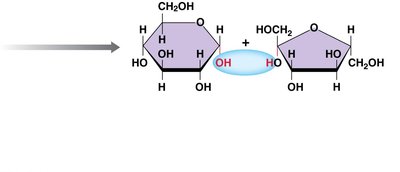
Hydrolysis: decomposition using water.
Synthesis (anabolism): forms larger molecules from smaller ones.
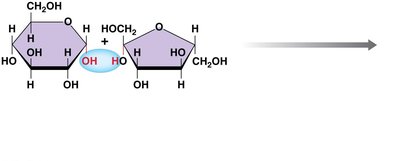
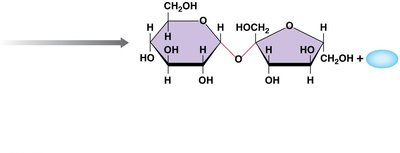
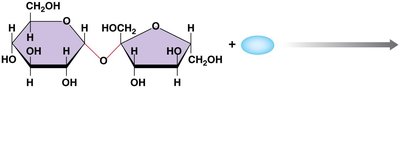
Dehydration synthesis: forms complex molecules by removing water.
Exchange reactions: parts of molecules are shuffled.
Reversible reactions: can proceed in both directions.
Energy in Chemical Reactions
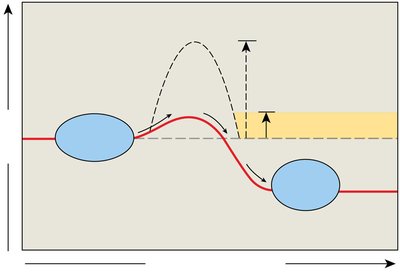
Activation energy is the energy required to start a reaction.
Enzymes are protein catalysts that lower activation energy, increasing reaction rates.
Exergonic reactions release energy; endergonic reactions absorb energy.
Inorganic and Organic Compounds
Definitions
Inorganic compounds: usually lack carbon and hydrogen (e.g., water, salts, acids, bases).
Organic compounds: contain carbon and hydrogen (e.g., carbohydrates, lipids, proteins, nucleic acids).
Properties of Water
Importance of Water
Water makes up about two-thirds of body weight.
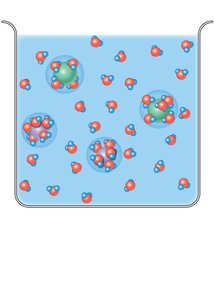
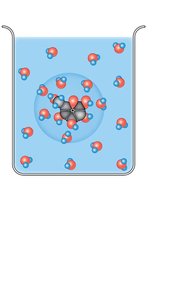
Acts as a universal solvent, dissolving many substances for transport and reactions.
Has a high heat capacity, helping regulate body temperature.
Provides lubrication to reduce friction in joints and tissues.
Electrolytes and Body Fluids
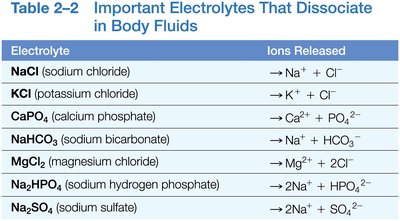
Electrolytes are inorganic ions that conduct electricity in solution (e.g., Na+, K+, Cl−).
Electrolyte balance is critical for nerve and muscle function.
Electrolyte | Ions Released |
|---|---|
NaCl (sodium chloride) | Na+ + Cl− |
KCl (potassium chloride) | K+ + Cl− |
CaPO4 (calcium phosphate) | Ca2+ + PO43− |
NaHCO3 (sodium bicarbonate) | Na+ + HCO3− |
MgCl2 (magnesium chloride) | Mg2+ + 2Cl− |
Na2HPO4 (sodium hydrogen phosphate) | 2Na+ + HPO42− |
Na2SO4 (sodium sulfate) | 2Na+ + SO42− |
Hydrophilic and Hydrophobic Compounds
Hydrophilic (water-loving): interact with water (e.g., ions, polar molecules).
Hydrophobic (water-fearing): do not interact with water (e.g., fats, oils).
Colloids and Suspensions
Colloid: solution with large molecules (e.g., blood plasma).
Suspension: contains large particles that settle out (e.g., whole blood).
pH and Homeostasis
Understanding pH
pH is the negative logarithm of hydrogen ion concentration:
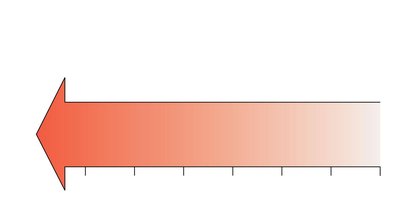
Neutral pH is 7.0 (pure water).
Acidic pH is less than 7.0 (higher [H+]).
Basic (alkaline) pH is greater than 7.0 (lower [H+]).
Human blood pH is tightly regulated between 7.35 and 7.45.
Acids, Bases, Salts, and Buffers
Definitions and Roles
Acids are proton donors; they release H+ in solution.
Bases are proton acceptors; they remove H+ from solution.
Salts dissociate into cations and anions other than H+ and OH−.
Buffers stabilize pH by neutralizing strong acids or bases (e.g., carbonic acid–bicarbonate system).
Monomers, Polymers, and Functional Groups
Macromolecules
Macromolecules are built from monomers (repeating subunits) joined to form polymers.
Functional groups are specific groupings of atoms that determine the chemical behavior of organic molecules.
Carbohydrates
Structure and Function
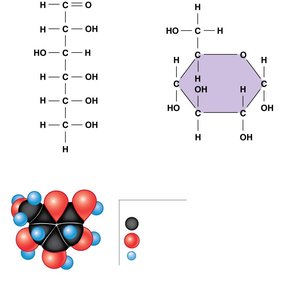
Composed of carbon, hydrogen, and oxygen in a 1:2:1 ratio.
Monosaccharides: simple sugars (e.g., glucose, fructose, galactose).
Disaccharides: two monosaccharides joined by dehydration synthesis (e.g., sucrose, maltose).
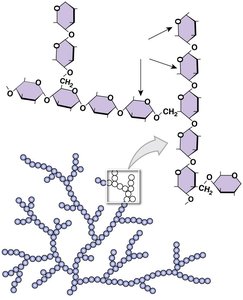
Polysaccharides: long chains of monosaccharides (e.g., glycogen, starch, cellulose).
Lipids
Types and Functions
Mainly hydrophobic molecules such as fats, oils, and waxes.
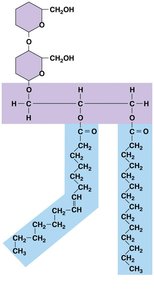
Include fatty acids, eicosanoids, glycerides, steroids, phospholipids, and glycolipids.
Fatty Acids
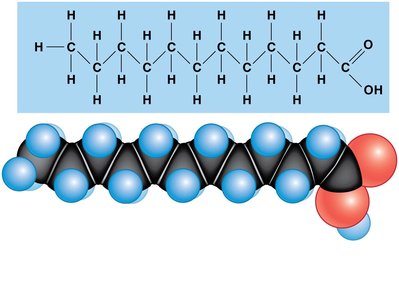
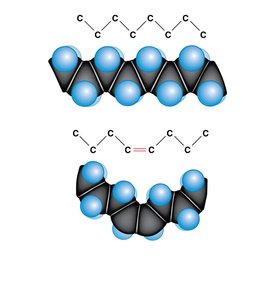
Long chains of carbon and hydrogen with a carboxyl group (—COOH).
Saturated: no double bonds; unsaturated: one or more double bonds.
Glycerides
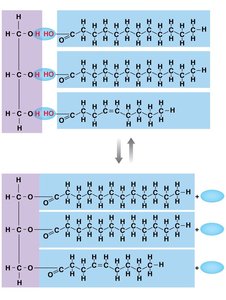
Fatty acids attached to glycerol; can be mono-, di-, or triglycerides.
Triglycerides serve as energy storage, insulation, and protection.
Steroids
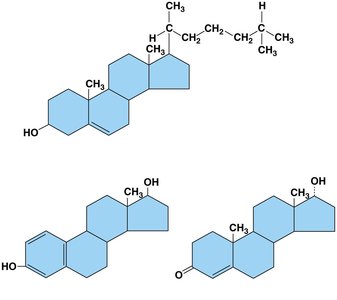
Four-ringed carbon structures with various functional groups.
Examples: cholesterol (cell membranes), sex hormones, corticosteroids, bile salts.
Phospholipids and Glycolipids
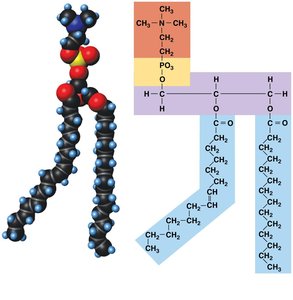
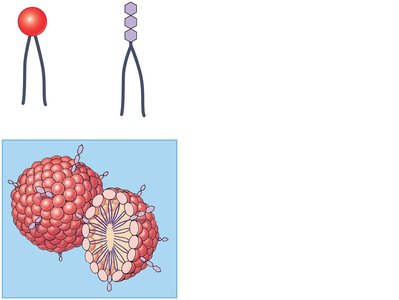
Structural lipids with hydrophilic heads and hydrophobic tails; form cell membranes.
Proteins
Structure and Function
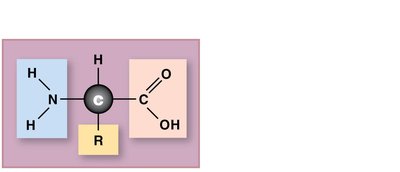
Most abundant organic molecules; composed of C, H, O, N.
Made of 20 different amino acids (monomers).
Functions: support, movement, transport, buffering, metabolic regulation, coordination/control, defense.
Protein Structure Levels
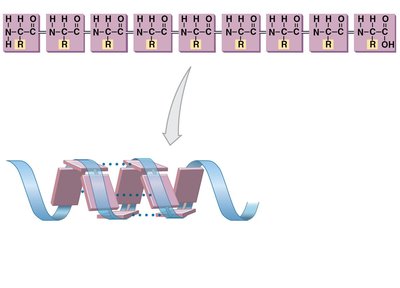
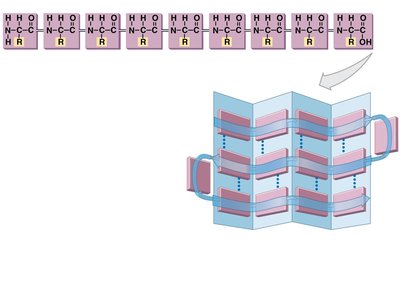
Primary: sequence of amino acids.
Secondary: hydrogen bonding forms alpha helices or beta sheets.
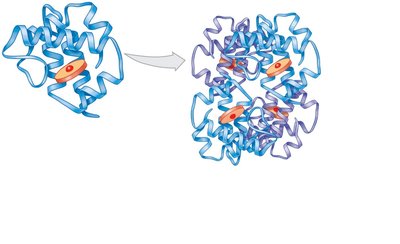
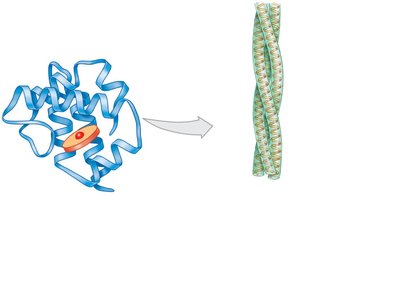
Tertiary: complex folding into 3D shape.
Quaternary: multiple polypeptide chains interact.
Enzymes and Protein Function
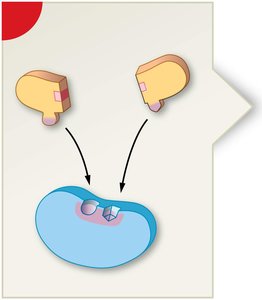
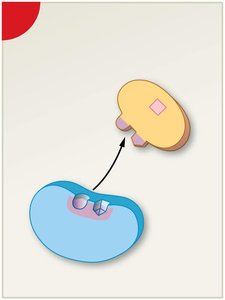
Enzymes are proteins that catalyze reactions by lowering activation energy.
Enzyme function depends on specificity, saturation, and regulation.
Cofactors (ions or molecules) and coenzymes (vitamins) may be required for activity.
Temperature and pH can denature proteins, causing loss of function.
Nucleic Acids
Structure and Function
Store and process genetic information.
DNA (deoxyribonucleic acid): double-stranded, stores genetic code.
RNA (ribonucleic acid): single-stranded, involved in protein synthesis.
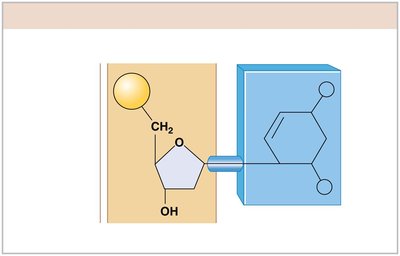
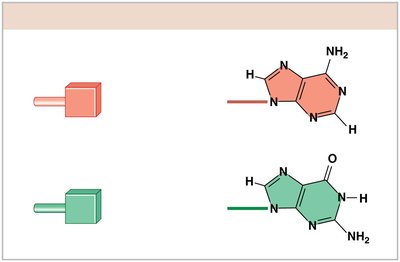
Monomers are nucleotides, each with a sugar, phosphate group, and nitrogenous base (A, G, C, T/U).
High-Energy Compounds
ATP and Energy Transfer
ATP (adenosine triphosphate) is the primary energy carrier in cells.
Formed by adding phosphate groups to adenosine (AMP → ADP → ATP).
ATP stores energy in high-energy phosphate bonds; hydrolysis releases energy for cellular work.
Additional info: This guide covers the chemical foundations essential for understanding physiological processes, including atomic structure, bonding, water properties, macromolecules, and energy transfer. Mastery of these concepts is critical for further study in anatomy and physiology.
